






Archive: People and Markets
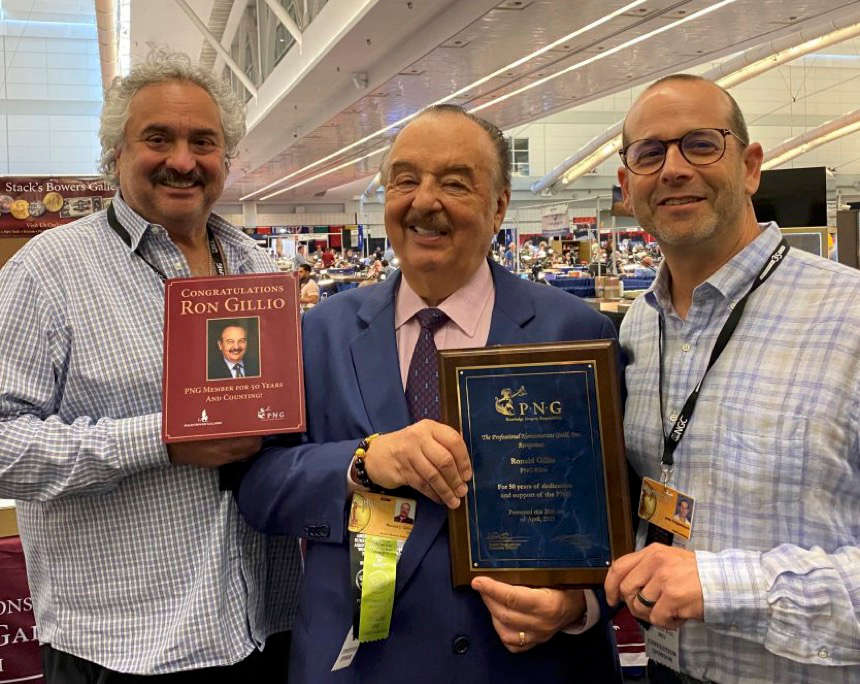
50 Years of Membership: PNG Honors Past President Gillio
At this year’s Pittsburgh World’s Fair of Money, the former president of the Professional Numismatists Guild, Ronald J. Gillio, was honored for his membership and service.
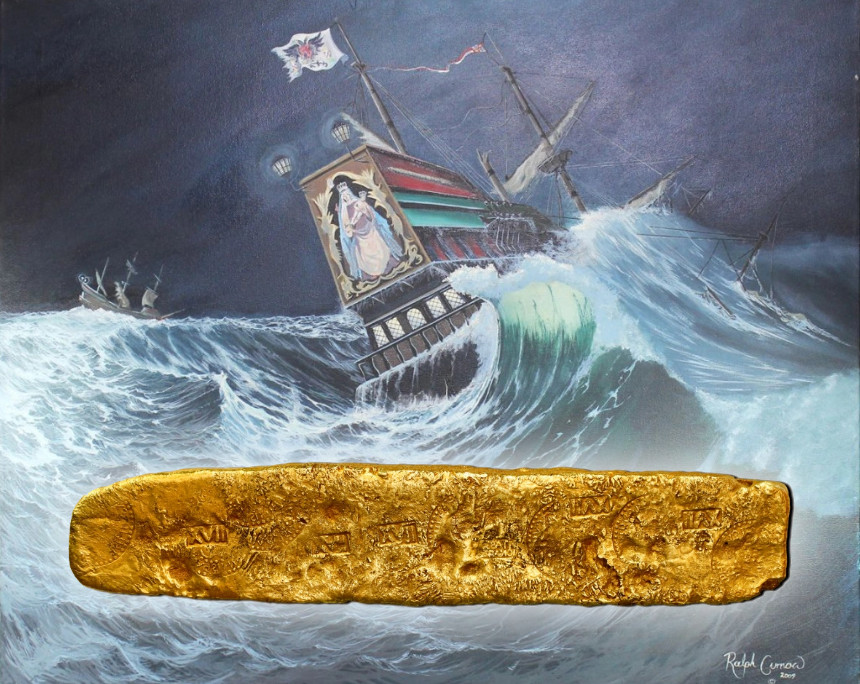
Gold Bar from Famous Shipwreck Comes Under the Hammer
In 1622, the Nuestra Señora de Atocha sank off the coast of Key West along with all the treasures on board. Sedwick is now auctioning off one of the largest gold bars ever recovered.
Archive: Coins, Medals and more
 https://new.coinsweekly.com/wp-content/uploads/2023/11/2023KW46HA_00.jpg
684
860
Ursula Kampmann
https://new.coinsweekly.com/wp-content/uploads/2023/01/logo-coinsweekly_590x204.png
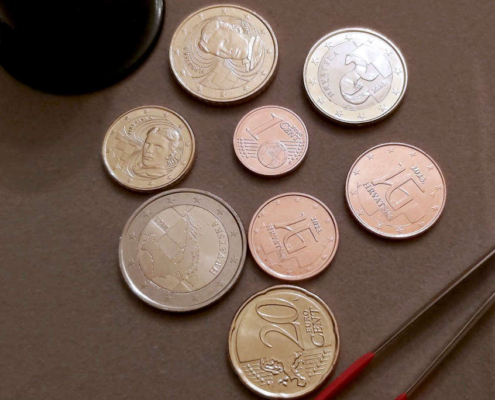
Ursula Kampmann2023-11-16 09:14:582023-11-16 09:23:58The First Error Coins from Croatia
https://new.coinsweekly.com/wp-content/uploads/2023/11/2023KW46HA_00.jpg
684
860
Ursula Kampmann
https://new.coinsweekly.com/wp-content/uploads/2023/01/logo-coinsweekly_590x204.png
Ursula Kampmann2023-11-16 09:14:582023-11-16 09:23:58The First Error Coins from Croatia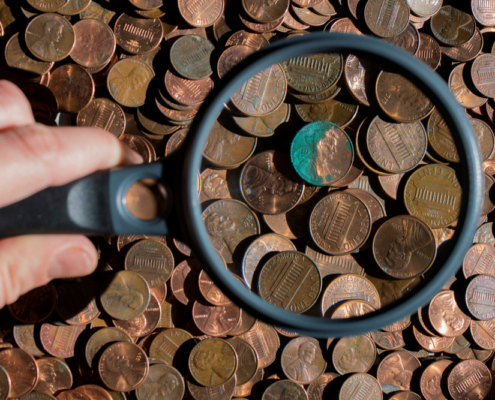 https://new.coinsweekly.com/wp-content/uploads/2023/06/00_shutterstock_774584251.jpg
667
1000
Bruno
https://new.coinsweekly.com/wp-content/uploads/2023/01/logo-coinsweekly_590x204.png
Bruno2022-06-13 13:25:492023-06-27 11:27:36Cleaning, Patina, Verdigris etc.: Which Errors Affect the Price of a Coin? – Part 2
https://new.coinsweekly.com/wp-content/uploads/2023/06/00_shutterstock_774584251.jpg
667
1000
Bruno
https://new.coinsweekly.com/wp-content/uploads/2023/01/logo-coinsweekly_590x204.png
Bruno2022-06-13 13:25:492023-06-27 11:27:36Cleaning, Patina, Verdigris etc.: Which Errors Affect the Price of a Coin? – Part 2
NGC Grading Coins On-site in Munich in November 2024
NGC will once again offer its popular on-site grading service of pre-1965 coins and medals at its office in Munich, Germany, from November 11-16, 2024.
2-Euro Ticker: New 2-Euro Coins in May 2024
Fresh supply for all 2-euro fans: San Marino comes up with a treat for collectors, Estonia hits the headlines twice, and Belgium is already completing its numismatic 2-euro year.