







Archive: People and Markets
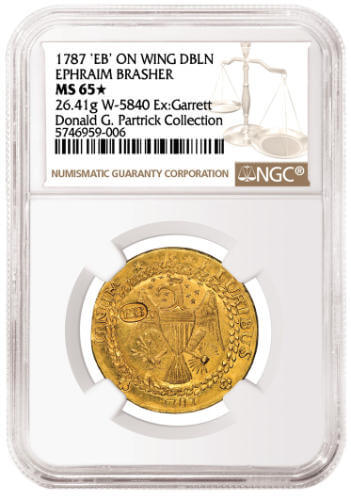
The Certified Collectibles Group: More than Coins and Comic Books
In 2021, the Certified Collectibles Group surprised the numismatic community by announcing that the Blackstone investment firm would become a majority shareholder. This raised the question of what this might mean for the coin market. Ursula Kampmann was in Sarasota to visit the new Certified Collectibles Group.
Stack’s Bowers Galleries Professional Numismatist Program
If you have ever considered making your hobby your profession and aren’t older than 25 years, the Stack’s Bowers Professional Numismatist Program offers an opportunity to acquire the skills necessary to be successful in this field.
Archive: Coins, Medals and more
 https://new.coinsweekly.com/wp-content/uploads/2025/04/2025KW16HA01_00.jpg
684
860
Lucie Loechel
https://new.coinsweekly.com/wp-content/uploads/2023/01/logo-coinsweekly_590x204.png
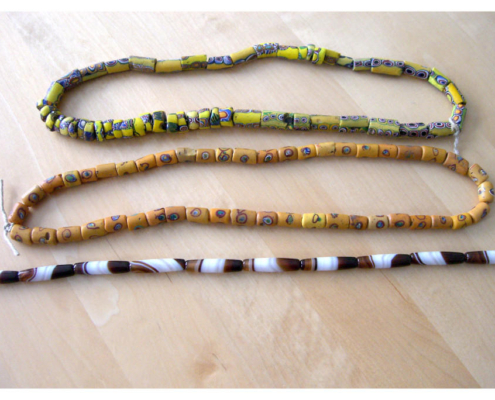
Lucie Loechel2025-04-17 08:34:042025-04-17 14:10:25What People Used to Pay With in South Africa
https://new.coinsweekly.com/wp-content/uploads/2025/04/2025KW16HA01_00.jpg
684
860
Lucie Loechel
https://new.coinsweekly.com/wp-content/uploads/2023/01/logo-coinsweekly_590x204.png
Lucie Loechel2025-04-17 08:34:042025-04-17 14:10:25What People Used to Pay With in South Africa
Possible Motifs Selected for Future Euro Banknotes
The Governing Council of the European Central Bank (ECB) has agreed on potential motifs for future Euro banknotes.
Ruthenium on Euro Commemorative Coins: Mints Turn to Innovative Finishes – with the Blessing of Central Banks
Coins with exotic precious metal coatings have long been viewed with skepticism, but Malta has now set a new trend with a galvanised commemorative coin. Other eurozone countries are also embracing innovative finishing techniques to capture contemporary tastes.