








Archive: People and Markets
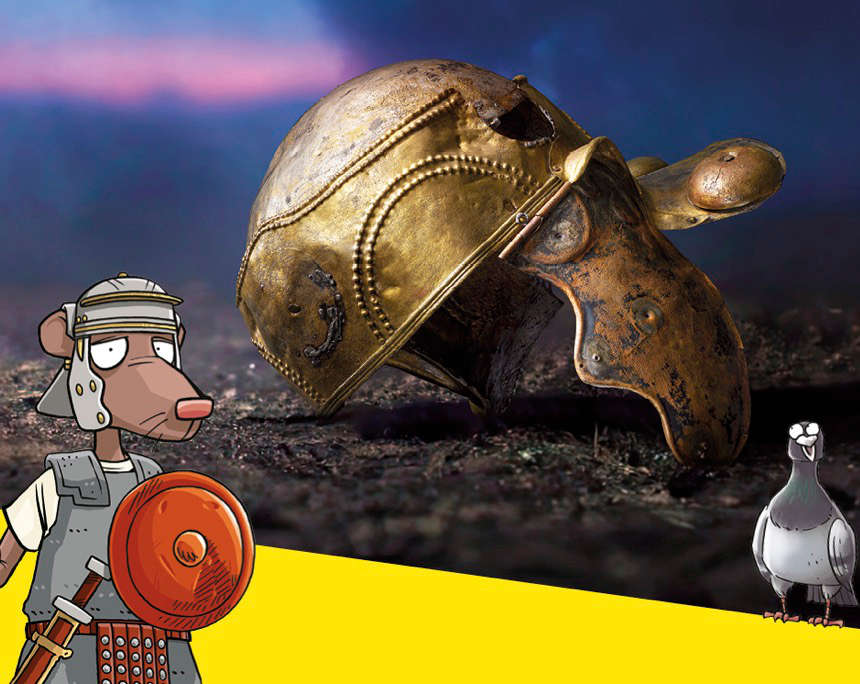
Life in the Roman Army: An Exhibition of the British Museum
The British Museum presents a look at one of the most famous fighting forces of all time: the Roman army. Spectacular artifacts from around the globe will be on display in London for the first time. A prominent partner has been brought on board for young visitors.
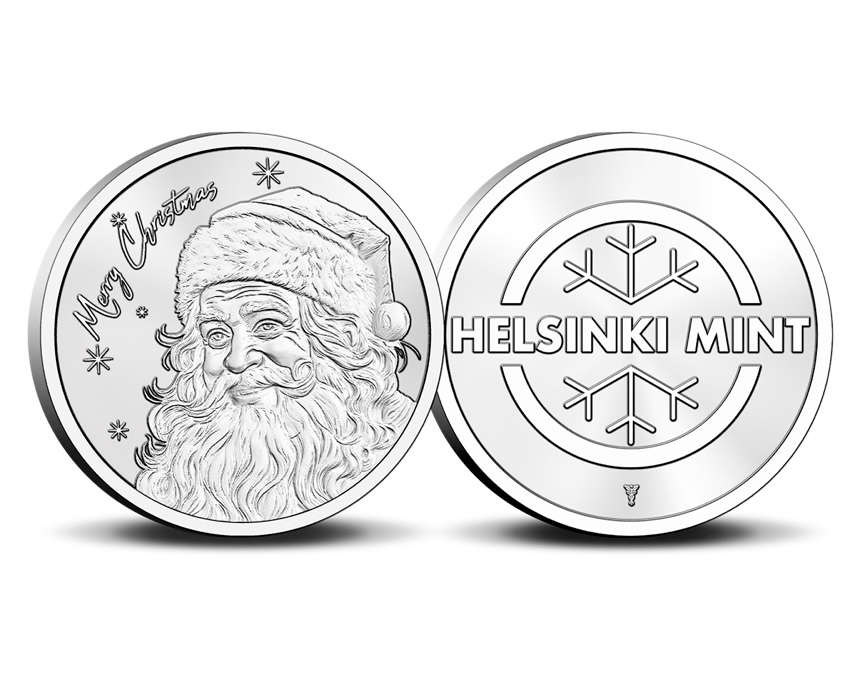
The Mint of Finland is Dead, Long Live the Helsinki Mint
September brought bad news for the numismatic world: the Mint of Finland, once a prolific producer of circulation coins for numerous euro countries, announced it would cease operations. Many questions have since remained unanswered – but one key point is now clear: the future of Finnish coin production has been decided.
Archive: Coins, Medals and more
 https://new.coinsweekly.com/wp-content/uploads/2024/03/00-2024KW13aHauptartikel_00.jpg
684
860
Sebastian Wieschowski
https://new.coinsweekly.com/wp-content/uploads/2023/01/logo-coinsweekly_590x204.png
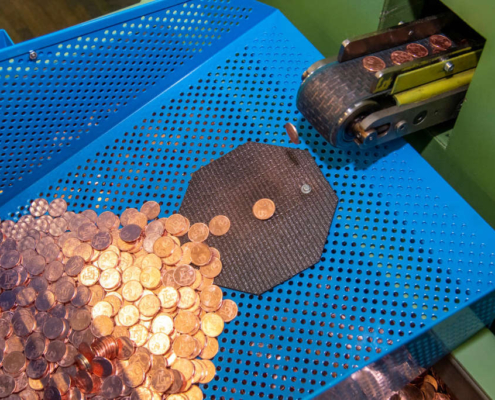
Sebastian Wieschowski2024-03-28 08:00:342024-03-28 10:58:28Croatia’s First Year as a Euro Country: A New Era for Coin Collectors and the Croatian Mint
https://new.coinsweekly.com/wp-content/uploads/2024/03/00-2024KW13aHauptartikel_00.jpg
684
860
Sebastian Wieschowski
https://new.coinsweekly.com/wp-content/uploads/2023/01/logo-coinsweekly_590x204.png
Sebastian Wieschowski2024-03-28 08:00:342024-03-28 10:58:28Croatia’s First Year as a Euro Country: A New Era for Coin Collectors and the Croatian Mint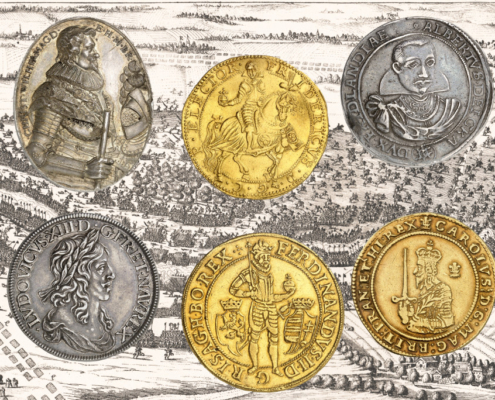 https://new.coinsweekly.com/wp-content/uploads/2024/09/2024KW37HA_00.jpg
684
860
Ursula Kampmann
https://new.coinsweekly.com/wp-content/uploads/2023/01/logo-coinsweekly_590x204.png
Ursula Kampmann2024-09-12 10:23:452024-09-12 10:23:45The Protagonists of the Thirty Years’ War: A Slightly Different Preview of Künker’s Auction 410
https://new.coinsweekly.com/wp-content/uploads/2024/09/2024KW37HA_00.jpg
684
860
Ursula Kampmann
https://new.coinsweekly.com/wp-content/uploads/2023/01/logo-coinsweekly_590x204.png
Ursula Kampmann2024-09-12 10:23:452024-09-12 10:23:45The Protagonists of the Thirty Years’ War: A Slightly Different Preview of Künker’s Auction 410
Striking Designs – Exhibition at the Dumbarton Oaks
A new special exhibition is on view at the Dumbarton Oaks Museum in Washington D.C. „Striking Designs: Communicating Through Coins” explores what the images on coins can tell us about the late Roman and Byzantine empire.
The New and Advanced Coin Yearbook 2025
The new 2025 edition of the Coin Yearbook is fully revised and updated. It features accurate up-to-the-minute pricing of English, Scottish, Irish and Isle of Man coins and many more features.