







Archive: People and Markets
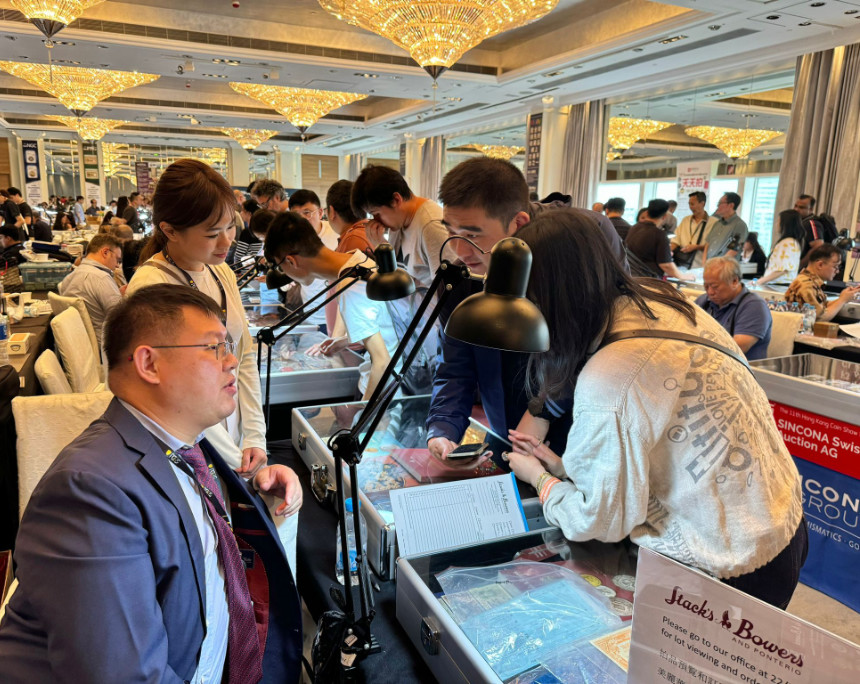
The 12th Hong Kong Coin Show (HKCS)
The 12th Hong Kong Coin Show (HKCS) will take place from Friday, 4th April to Sunday, 6th April. You can expect exhibitors from over 50 countries, auctions, educational seminars, exhibitions, on-site coin grading services and much more – in short: a festival of numismatics!

Trsat Dragon: A Field Marshal, His Tomb and a Legend
Visitors to the beautiful city of Rijeka are familiar with the two basilisks that stand guard on the Trsat hill in front of Count Laval Nugent of Westmeath’s mausoleum. The Croatian Mint dedicates a gold and a silver commemorative coin to these mythical creatures.
Archive: Coins, Medals and more
 https://new.coinsweekly.com/wp-content/uploads/2024/05/2024KW22HA_00.jpg
684
860
Ursula Kampmann
https://new.coinsweekly.com/wp-content/uploads/2023/01/logo-coinsweekly_590x204.png
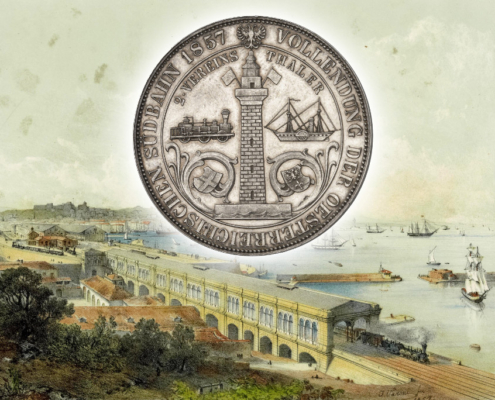
Ursula Kampmann2024-05-29 09:00:582024-05-29 15:18:10A Commemorative Coin Celebrating the Completion of Austria’s Southern Railway
https://new.coinsweekly.com/wp-content/uploads/2024/05/2024KW22HA_00.jpg
684
860
Ursula Kampmann
https://new.coinsweekly.com/wp-content/uploads/2023/01/logo-coinsweekly_590x204.png
Ursula Kampmann2024-05-29 09:00:582024-05-29 15:18:10A Commemorative Coin Celebrating the Completion of Austria’s Southern Railway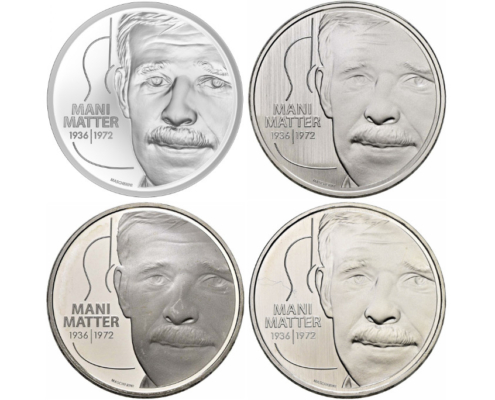 https://new.coinsweekly.com/wp-content/uploads/2023/10/2023KW42HA_00.jpg
684
860
Ursula Kampmann
https://new.coinsweekly.com/wp-content/uploads/2023/01/logo-coinsweekly_590x204.png
Ursula Kampmann2023-10-19 08:00:012023-10-19 11:43:14SINCONA Offers Spectacular Swissmint Patterns
https://new.coinsweekly.com/wp-content/uploads/2023/10/2023KW42HA_00.jpg
684
860
Ursula Kampmann
https://new.coinsweekly.com/wp-content/uploads/2023/01/logo-coinsweekly_590x204.png
Ursula Kampmann2023-10-19 08:00:012023-10-19 11:43:14SINCONA Offers Spectacular Swissmint Patterns
A Visit to the Japan Mint
Japan is a country where cash still plays an important role. Therefore, the Japan Mint is not a single institution but consists of several branches. Ursula Kampmann visited their offices in Saitama. Join her on a tour through the mint!
Theft at the Stockholm Royal Coin Cabinet
An audit at the Royal Coin Cabinet in Stockholm showed that a transferred 2.6 million euros worth of objects are missing. Now a former employee has to answer for theft.