











Archive: People and Markets
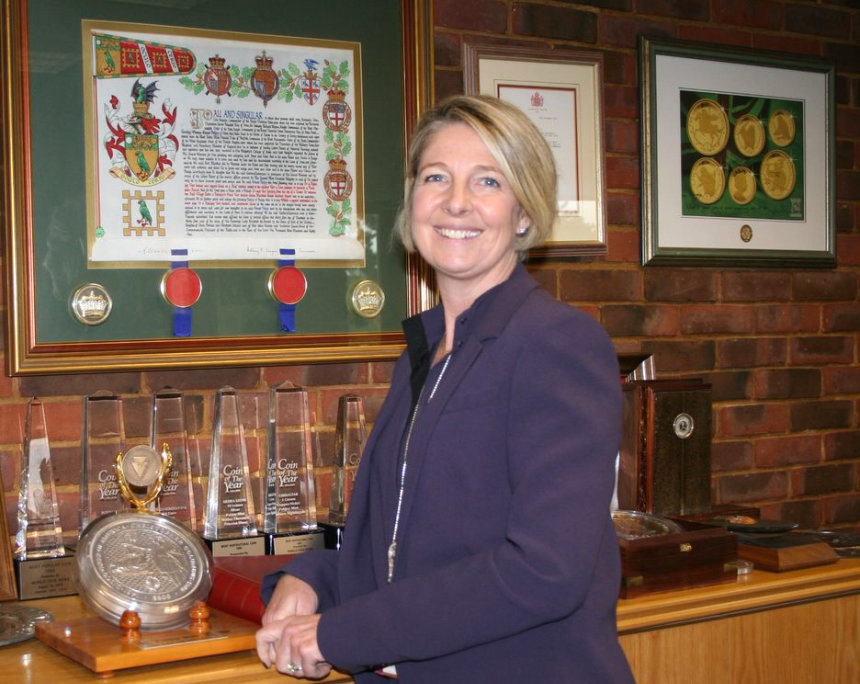
The End of Pobjoy Mint: An Interview with Taya Pobjoy
On 31 December 2023, Pobjoy Mint discontinued their operations. This marked the end of an era. In this interview, Taya Pobjoy explains why she decided to close down the mint and why she did not want to sell the company including her brand.
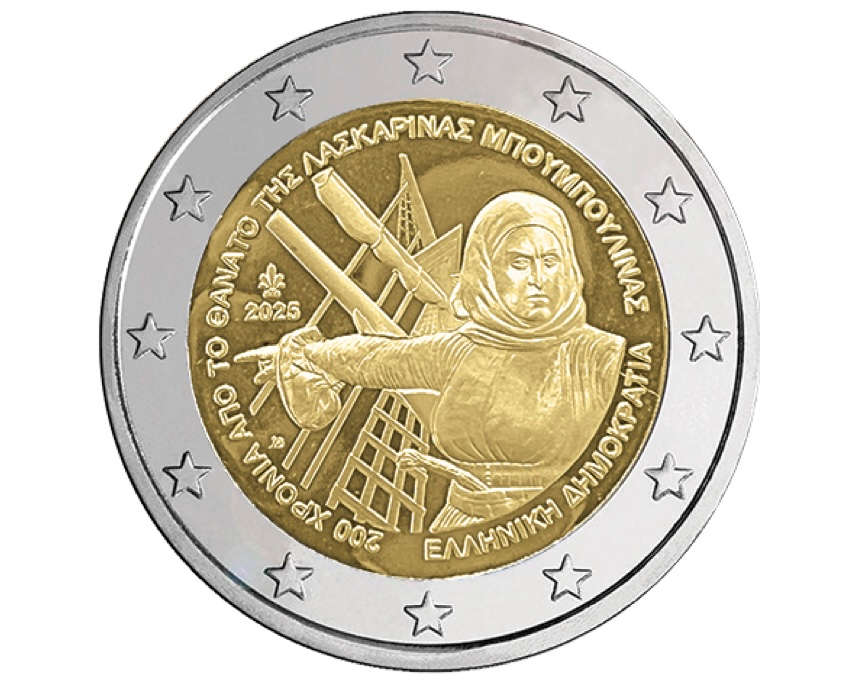
Two-Euro Ticker: New €2 Coins in January 2025
Fresh additions for €2 collectors – and a surprising twist: 2025 kicks off with an unexpected yet understandable change of plans from one issuing country.
Archive: Coins, Medals and more
 https://new.coinsweekly.com/wp-content/uploads/2023/12/2023KW51HA_00.jpg
684
860
Ursula Kampmann
https://new.coinsweekly.com/wp-content/uploads/2023/01/logo-coinsweekly_590x204.png
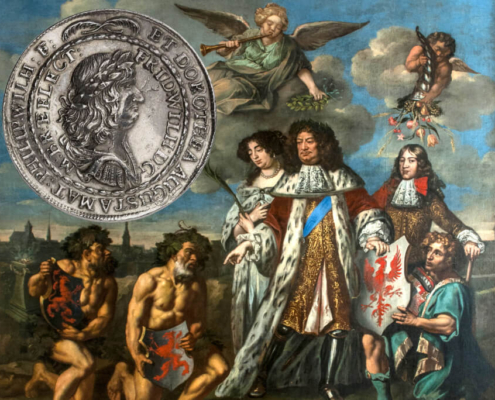
Ursula Kampmann2023-12-21 09:39:422023-12-21 09:51:29The Great Elector, Taxes and the Rise of Prussia
https://new.coinsweekly.com/wp-content/uploads/2023/12/2023KW51HA_00.jpg
684
860
Ursula Kampmann
https://new.coinsweekly.com/wp-content/uploads/2023/01/logo-coinsweekly_590x204.png
Ursula Kampmann2023-12-21 09:39:422023-12-21 09:51:29The Great Elector, Taxes and the Rise of Prussia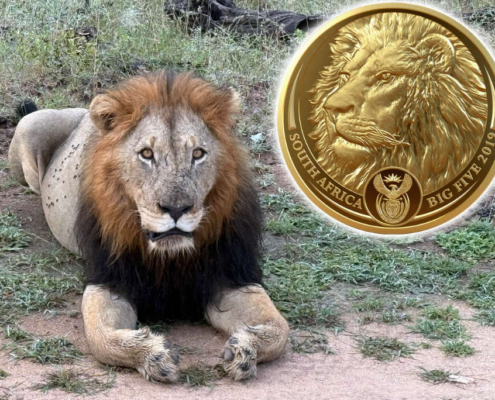 https://new.coinsweekly.com/wp-content/uploads/2025/06/00IMG_0657.jpg
684
860
Ursula Kampmann
https://new.coinsweekly.com/wp-content/uploads/2023/01/logo-coinsweekly_590x204.png
Ursula Kampmann2025-06-12 09:24:042025-06-12 09:38:54In Search of the Big Five
https://new.coinsweekly.com/wp-content/uploads/2025/06/00IMG_0657.jpg
684
860
Ursula Kampmann
https://new.coinsweekly.com/wp-content/uploads/2023/01/logo-coinsweekly_590x204.png
Ursula Kampmann2025-06-12 09:24:042025-06-12 09:38:54In Search of the Big Five
Numista Now Has a New Literature Section
Numista has recently expanded its offerings with a dedicated section for numismatic literature, providing a valuable resource for researchers and enthusiasts alike. A particularly innovative feature of this section is its integration with Numista’s existing coin catalogue, which allows users to seamlessly navigate from a reference number of a coin to the corresponding literary reference, and from that catalogue back to the numismatic objects listed within.
The Zurich International Coin Fair 2023
For many decades, the coin fair in Zurich has been the most important meeting point for the Swiss numismatic scene. In 2023, it was particularly crowded, as Swissmint had planned a special sale that drew many interested people.