






Archive: People and Markets

IAPN General Assembly in Marseille 2023
At their 71st General Assembly in Marseille, the International Association of Professional Numismatists elected new members, increased the Executive Committee, and awarded the prestigious IAPN Book Prize.
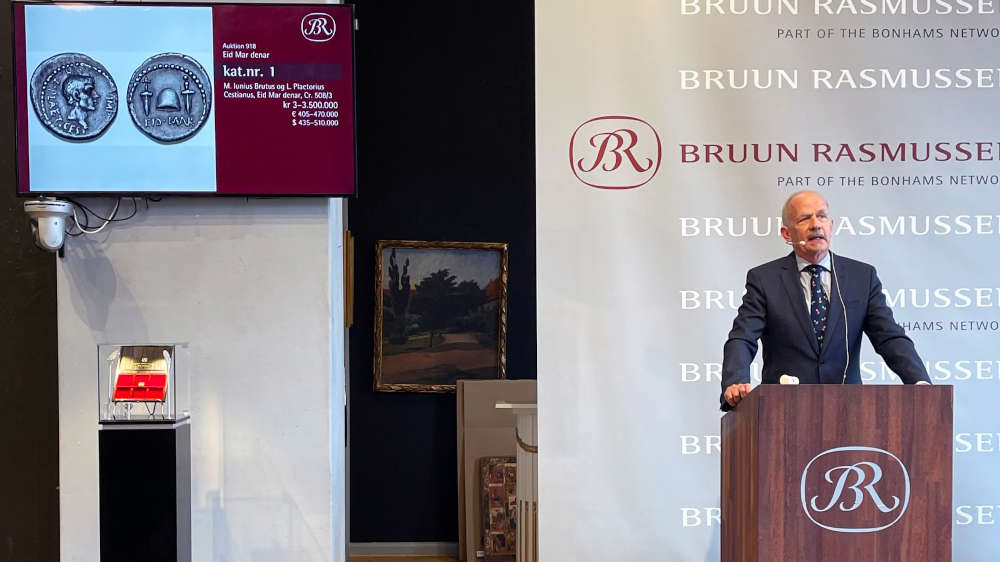
An EID MAR Denarius Set a Nordic Record
An EID MAR denarius was sold at Bruun Rasmussen establishing a record for the most expensive numismatic object ever sold at auction in the entire Nordic region according to the auction house.
Archive: Coins, Medals and more
 https://new.coinsweekly.com/wp-content/uploads/2023/05/2023KW21HA00.jpg
750
1000
Ursula Kampmann
https://new.coinsweekly.com/wp-content/uploads/2023/01/logo-coinsweekly_590x204.png
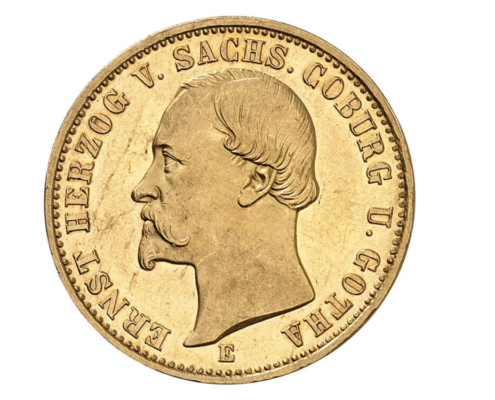
Ursula Kampmann2023-05-25 09:00:382023-06-27 11:24:32From Taler to Mark: The Long Road to a Common Currency
https://new.coinsweekly.com/wp-content/uploads/2023/05/2023KW21HA00.jpg
750
1000
Ursula Kampmann
https://new.coinsweekly.com/wp-content/uploads/2023/01/logo-coinsweekly_590x204.png
Ursula Kampmann2023-05-25 09:00:382023-06-27 11:24:32From Taler to Mark: The Long Road to a Common Currency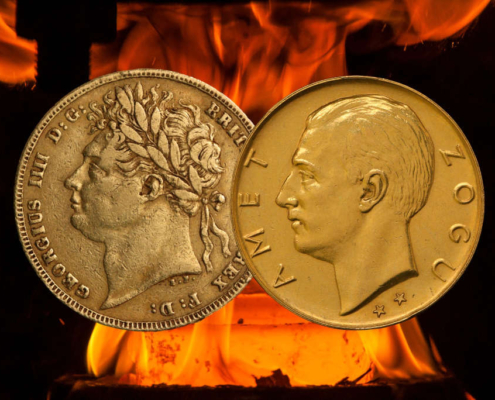 https://new.coinsweekly.com/wp-content/uploads/2024/07/2024KW30HA_00.jpg
684
860
Sebastian Wieschowski
https://new.coinsweekly.com/wp-content/uploads/2023/01/logo-coinsweekly_590x204.png
Sebastian Wieschowski2024-07-25 09:00:162024-07-25 09:26:11Gold at Record Highs: Melt Down or Preserve Historic Gold Coins?
https://new.coinsweekly.com/wp-content/uploads/2024/07/2024KW30HA_00.jpg
684
860
Sebastian Wieschowski
https://new.coinsweekly.com/wp-content/uploads/2023/01/logo-coinsweekly_590x204.png
Sebastian Wieschowski2024-07-25 09:00:162024-07-25 09:26:11Gold at Record Highs: Melt Down or Preserve Historic Gold Coins?
Minerva Magazine Ceased Publishing
The archaeological journal Minerva, founded in 1990, will discontinue its service with its last issue in July/August 2023. The reason for this, it says, are the lingering effects of the pandemic and increased costs. The last issue can be downloaded for free.
Coinwatch – Watches With Coins For Enthusiasts
Coinwatch had a vision when it was founded in 1984: to combine coins and watches for those who love coins and wish to display them. The birth of watches with coins as dials.