











Archive: People and Markets
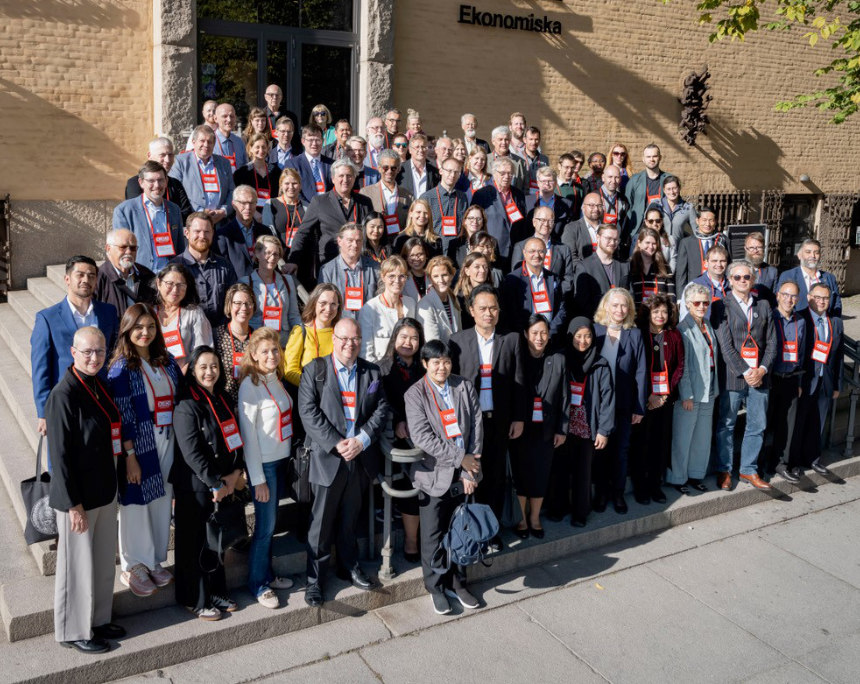
Report of the 30th ICOMON Annual Conference in Stockholm
The International Committee of Money and Banking Museums (ICOMON) held its 30th Annual Conference in Stockholm from 25 to 28 September 2024. The Economy Museum, as host institution, welcomed over 110 participants and 42 speakers from over 30 countries across the globe.
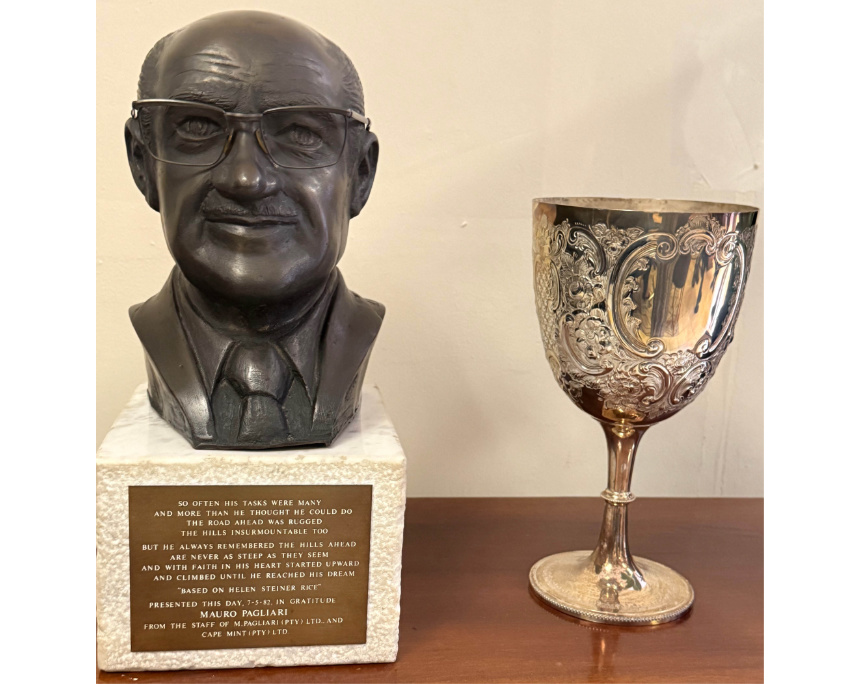
The Cape Mint: The Oldest Private Mint in South Africa
Did you think the South African Mint was the only mint in South Africa? That’s not true. In the heart of Cape Town, a small private mint fulfills all customer needs. I was privileged to visit the Cape Mint and met people there who take great pride in their work.
Archive: Coins, Medals and more
 https://new.coinsweekly.com/wp-content/uploads/2024/03/2024KW10HA_00.jpg
684
860
Ursula Kampmann
https://new.coinsweekly.com/wp-content/uploads/2023/01/logo-coinsweekly_590x204.png
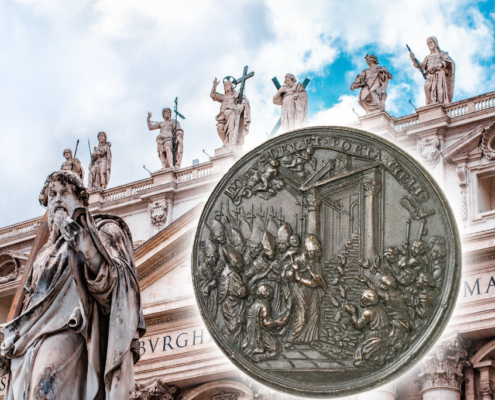
Ursula Kampmann2024-03-07 11:39:512024-03-07 14:21:30Coins and Medals of the Popes: Representatives of the Catholic Church
https://new.coinsweekly.com/wp-content/uploads/2024/03/2024KW10HA_00.jpg
684
860
Ursula Kampmann
https://new.coinsweekly.com/wp-content/uploads/2023/01/logo-coinsweekly_590x204.png
Ursula Kampmann2024-03-07 11:39:512024-03-07 14:21:30Coins and Medals of the Popes: Representatives of the Catholic Church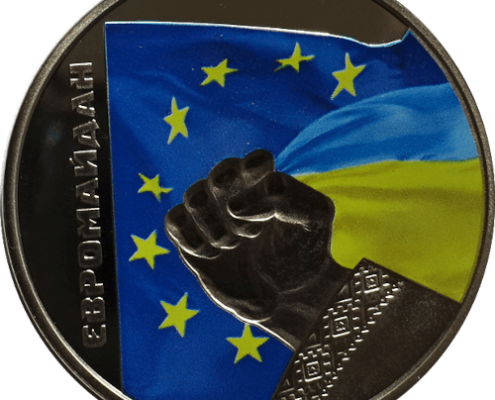 https://new.coinsweekly.com/wp-content/uploads/2023/06/00_DSC04222.png
506
500
Bruno
https://new.coinsweekly.com/wp-content/uploads/2023/01/logo-coinsweekly_590x204.png
Bruno2022-06-13 12:00:452023-07-03 12:18:15The National Identity of Modern Ukraine on its Commemorative Coins
https://new.coinsweekly.com/wp-content/uploads/2023/06/00_DSC04222.png
506
500
Bruno
https://new.coinsweekly.com/wp-content/uploads/2023/01/logo-coinsweekly_590x204.png
Bruno2022-06-13 12:00:452023-07-03 12:18:15The National Identity of Modern Ukraine on its Commemorative Coins
New Swiss Silver Coin “Switzerland”
On 12 September 2024, the Federal Mint Swissmint will launch the 20-franc silver coin entitled “Switzerland” in honour of the country becoming a federal state in 1848. The limited-edition special coin will go on sale on Switzerland’s unofficial birthday.
Bimetallic Coin Celebrates 150 Years of the Swiss Federal Supreme Court
With a 10-franc bimetallic coin, Swissmint commemorates the founding of the Federal Supreme Court of Switzerland 150 years ago. The coin is available today.