








Archive: People and Markets
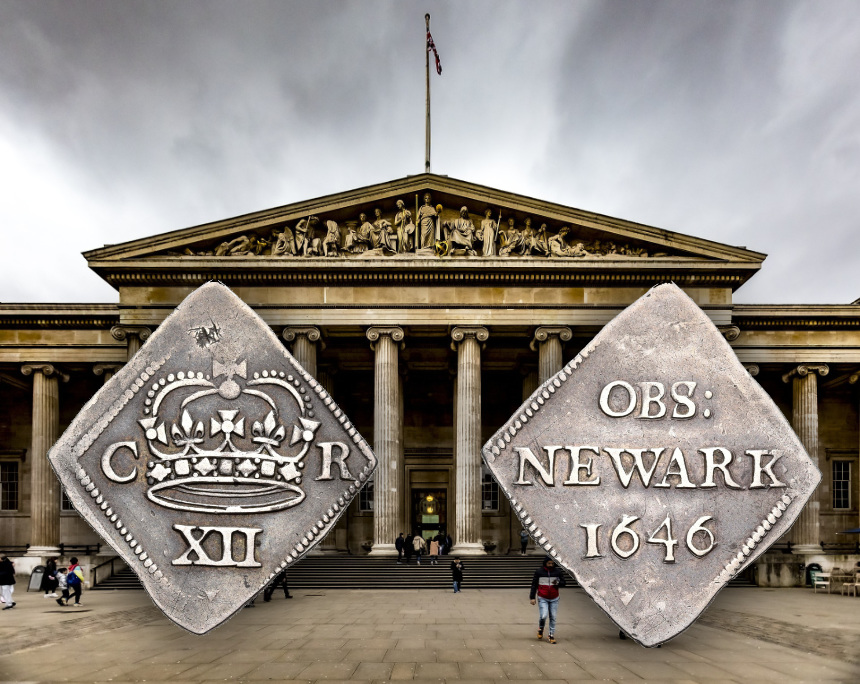
The British Museum: When Theft Becomes PR
Once again, the BM made negative headlines: Ilé Sartuzi stole a coin unnoticed during a hands-on tour and declared this an artistic performance. A commentary by Ursula Kampmann.
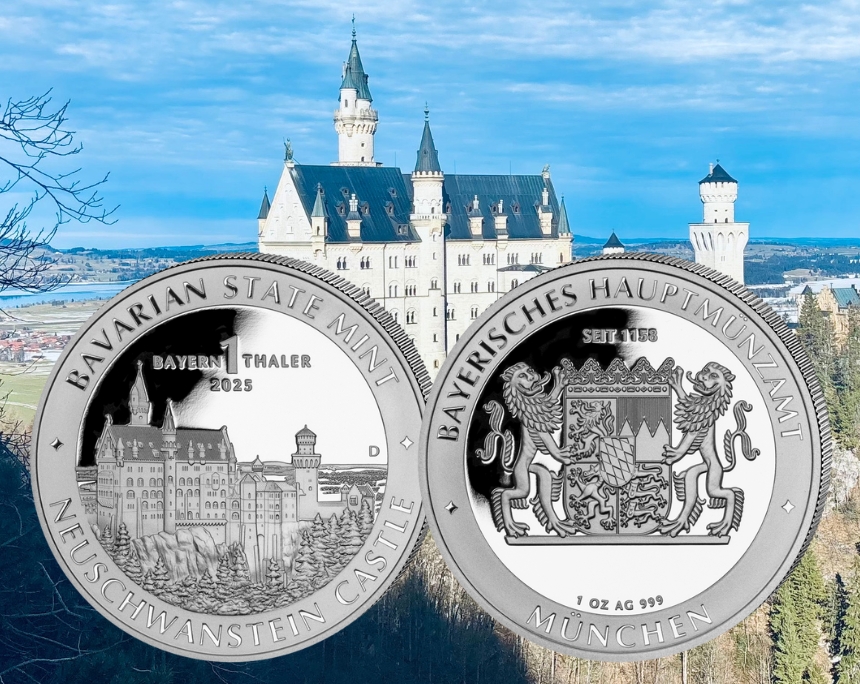
Will the Bayern Thaler Become the Long-Awaited German Bullion Coin?
The Free State of Bavaria has commissioned the Bavarian State Mint to produce a series of precious metal investment products. The “Bayern Thaler” aims to join the ranks of investment icons and is in keeping with the spirit of the times – but there are pitfalls ahead.
Archive: Coins, Medals and more
 https://new.coinsweekly.com/wp-content/uploads/2023/06/00_Value_of_coins.jpg
750
1000
Bruno
https://new.coinsweekly.com/wp-content/uploads/2023/01/logo-coinsweekly_590x204.png
Bruno2022-06-13 10:56:082023-06-27 11:29:37Planchet Error, Overstrike, Double-Strike, Etc.: Which Errors Affect the Price of a Coin? – Part 1
https://new.coinsweekly.com/wp-content/uploads/2023/06/00_Value_of_coins.jpg
750
1000
Bruno
https://new.coinsweekly.com/wp-content/uploads/2023/01/logo-coinsweekly_590x204.png
Bruno2022-06-13 10:56:082023-06-27 11:29:37Planchet Error, Overstrike, Double-Strike, Etc.: Which Errors Affect the Price of a Coin? – Part 1 https://new.coinsweekly.com/wp-content/uploads/2025/03/0.jpg
684
860
Sebastian Wieschowski
https://new.coinsweekly.com/wp-content/uploads/2023/01/logo-coinsweekly_590x204.png
Sebastian Wieschowski2025-03-06 06:00:312025-03-06 14:32:55Women on Commemorative Coins: A Long Road to True Equality
https://new.coinsweekly.com/wp-content/uploads/2025/03/0.jpg
684
860
Sebastian Wieschowski
https://new.coinsweekly.com/wp-content/uploads/2023/01/logo-coinsweekly_590x204.png
Sebastian Wieschowski2025-03-06 06:00:312025-03-06 14:32:55Women on Commemorative Coins: A Long Road to True Equality
Social Organisations and Bundesbank Advocate for Cash
Coins and banknotes continue to hold significant importance in an increasingly digital world – a point that prominent societal figures have recently underscored in a new position paper. They highlight the social functions of cash and its vital role for disadvantaged groups.
100 Years Swiss Franc in the Principality of Liechtenstein
In 2023, CIT caused a sensation among collectors around the world with its Grand Canyon issue. The same state-of-the-art minting technology is now being applied to a depiction of the Rhine Valley. The occasion: one of the rare commemorative coin issues of Liechtenstein.