







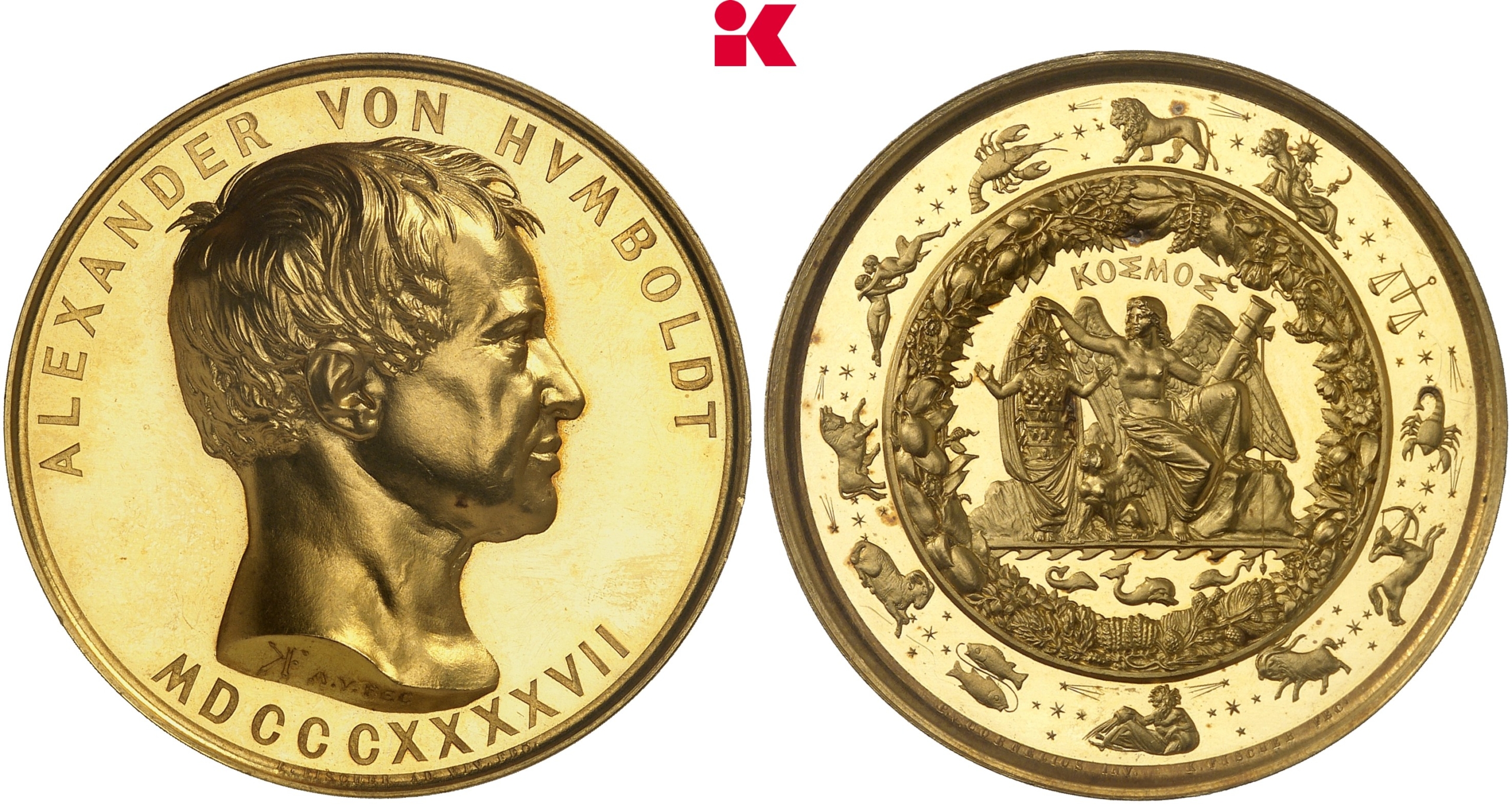
Gold medal in the weight of 50 ducats
commemorating the publication of the second volume
of Alexander von Humboldt’s *Kosmos*.
NGC MS 65 PL.
From the estate of Emperor William I.
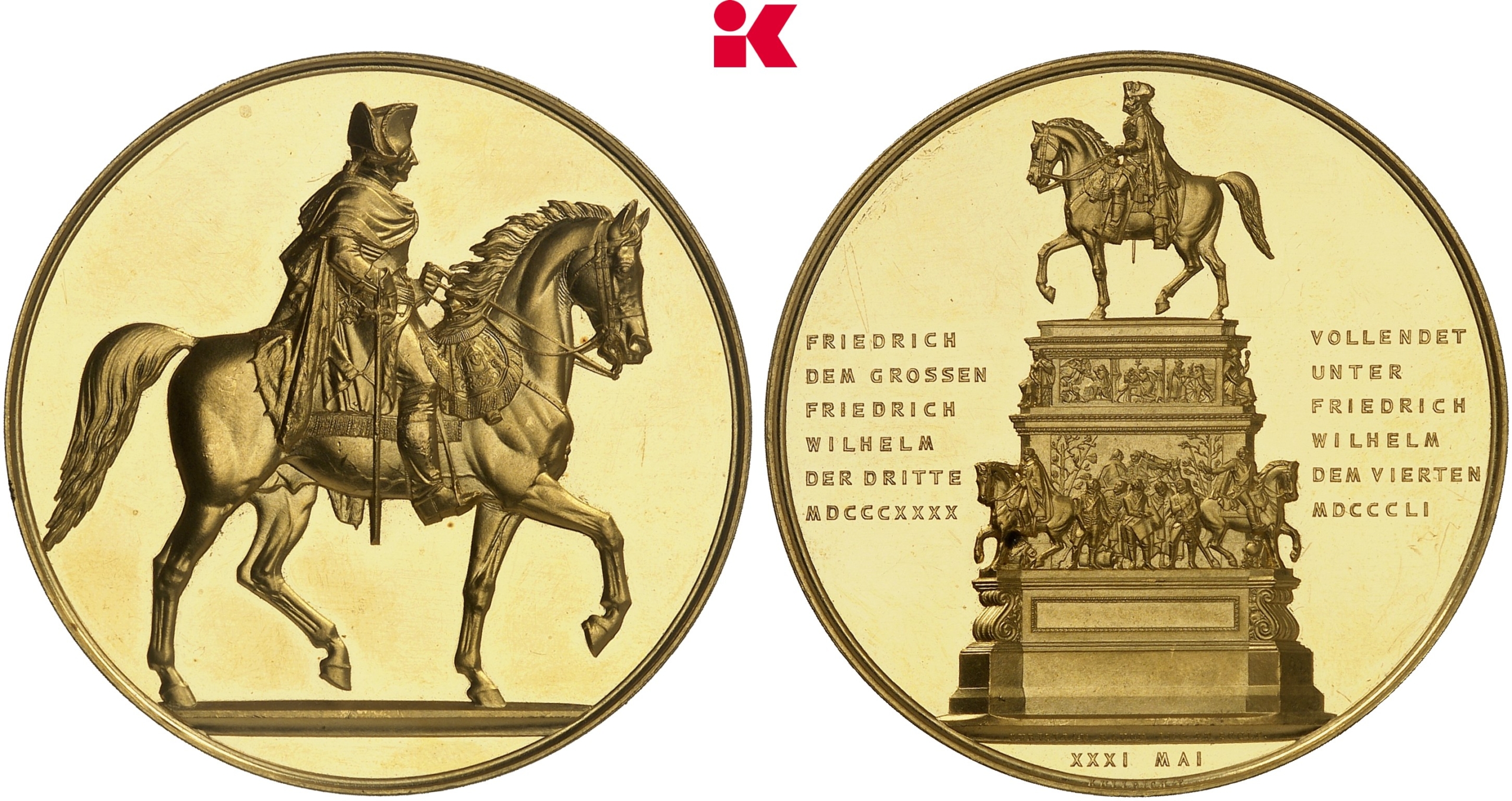
Gold medal in the weight of 50 ducats commemorating
the unveiling of the equestrian statue of
Frederick the Great on Unter den Linden in Berlin in 1851.
NGC MS 63 PL.
From the estate of Emperor William I.
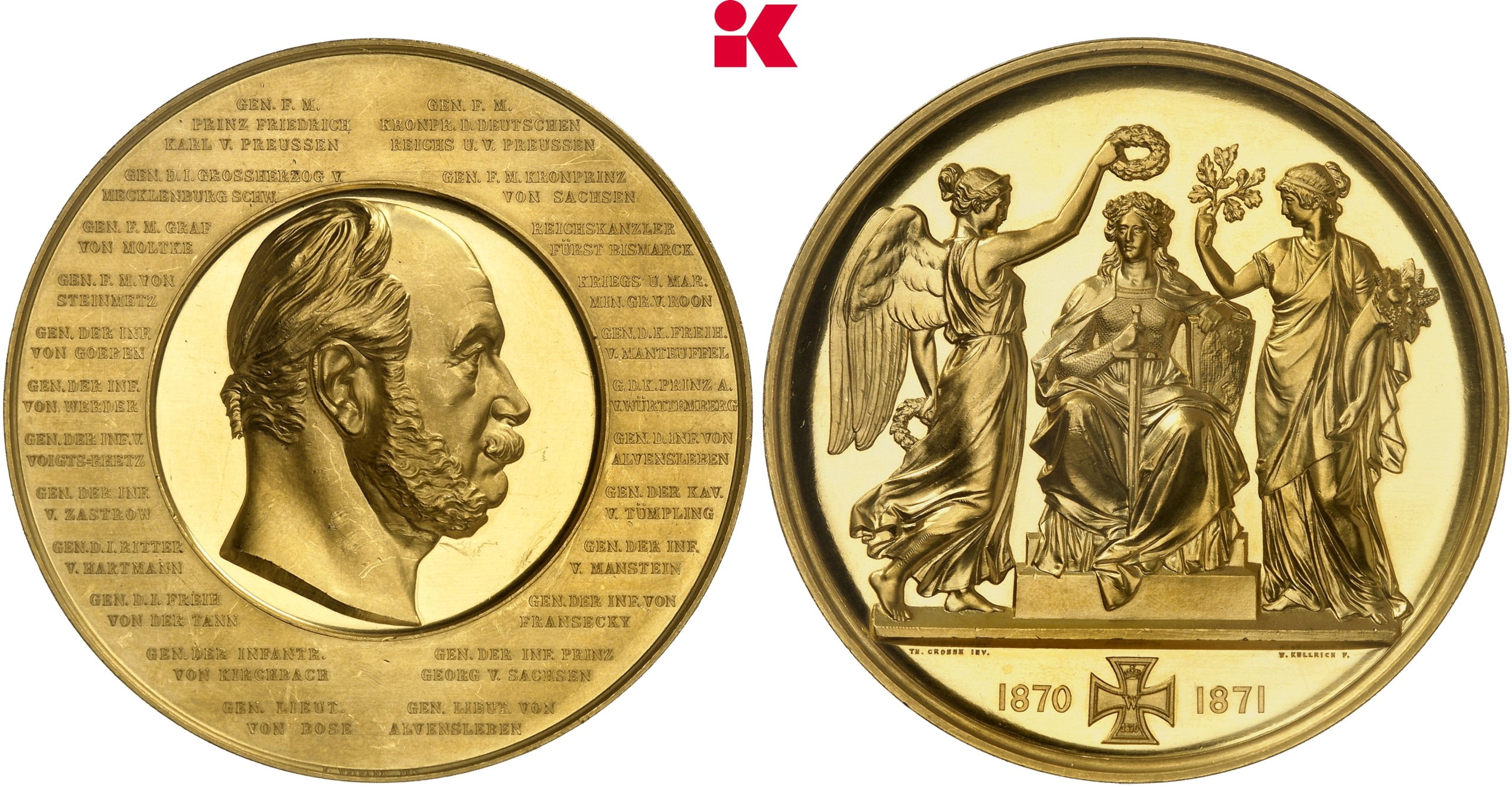
General’s Medal in the weight of 120 ducats, 1871,
commemorating the victory over France.
A magnificent specimen.
From the estate of Emperor William I.
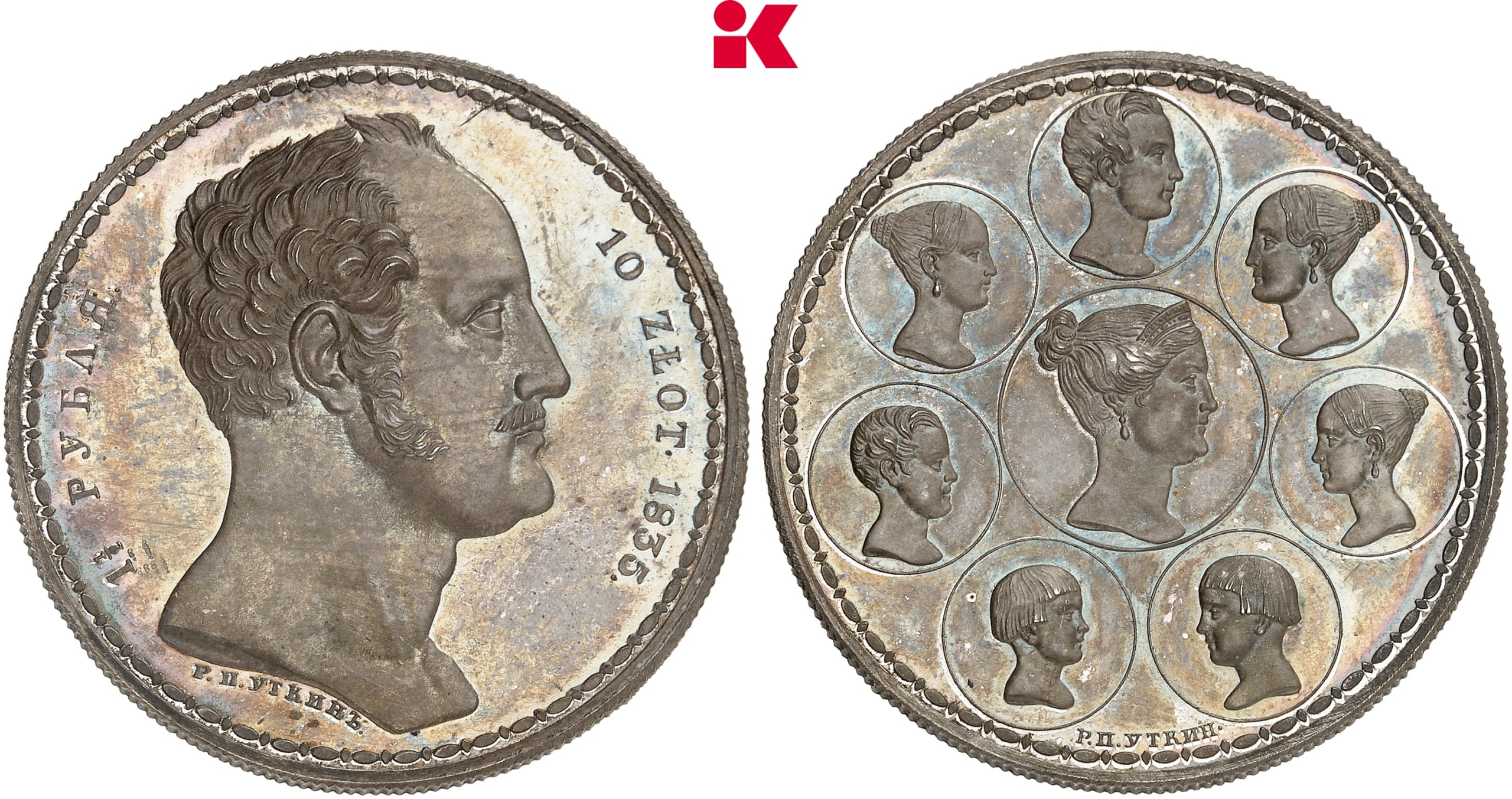
1 1/2 rubles (10 zlotys), 1835, St. Petersburg.
NGC MS 64 (Top Pop).
Only 36 examples struck.
A cabinet piece from polished dies.
From the estate of King Frederick William IV.
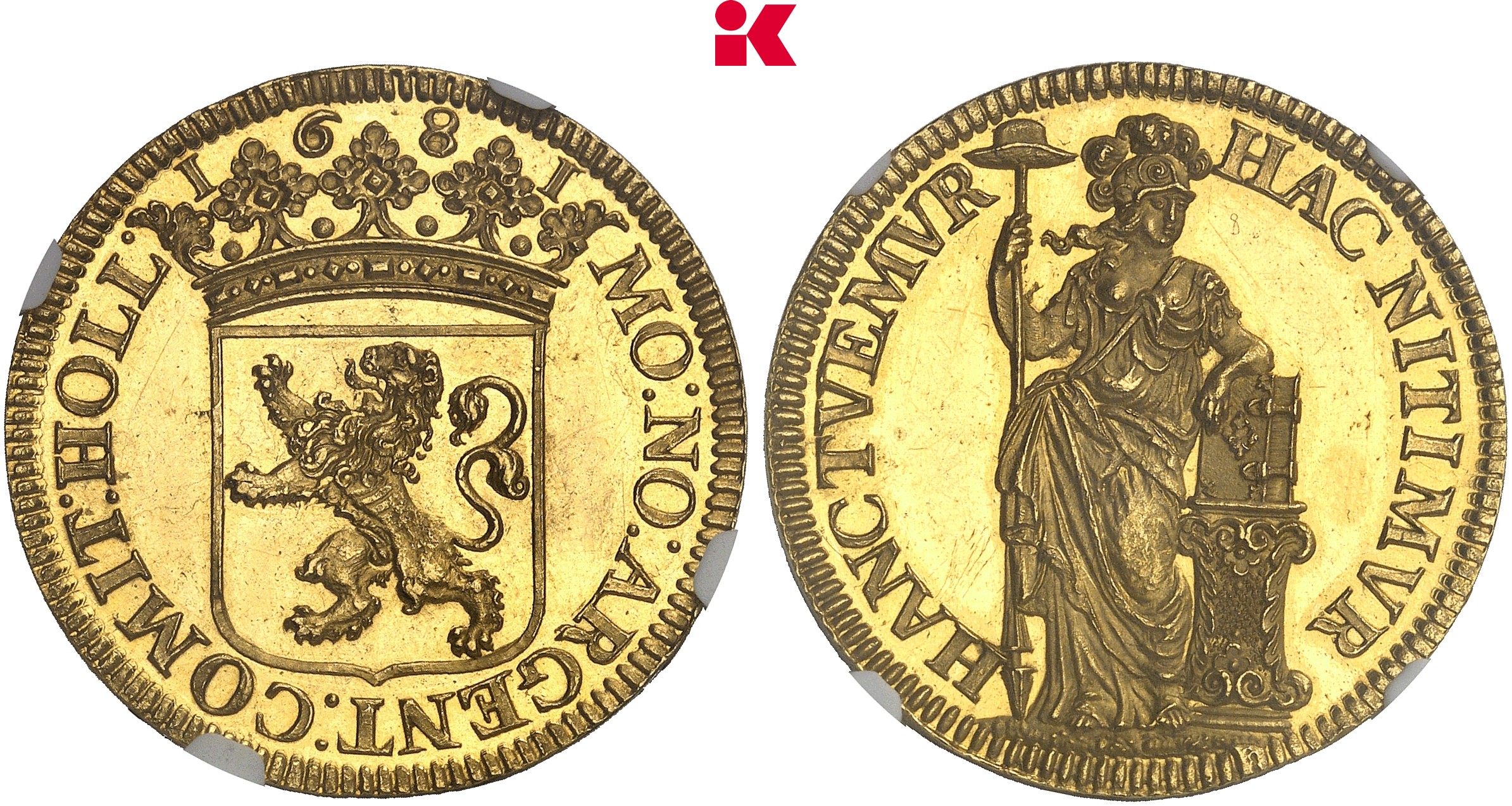
5 ducats, 1681.
Struck with the dies of a guilder.
NGC PF 64 Cameo.
Proof.
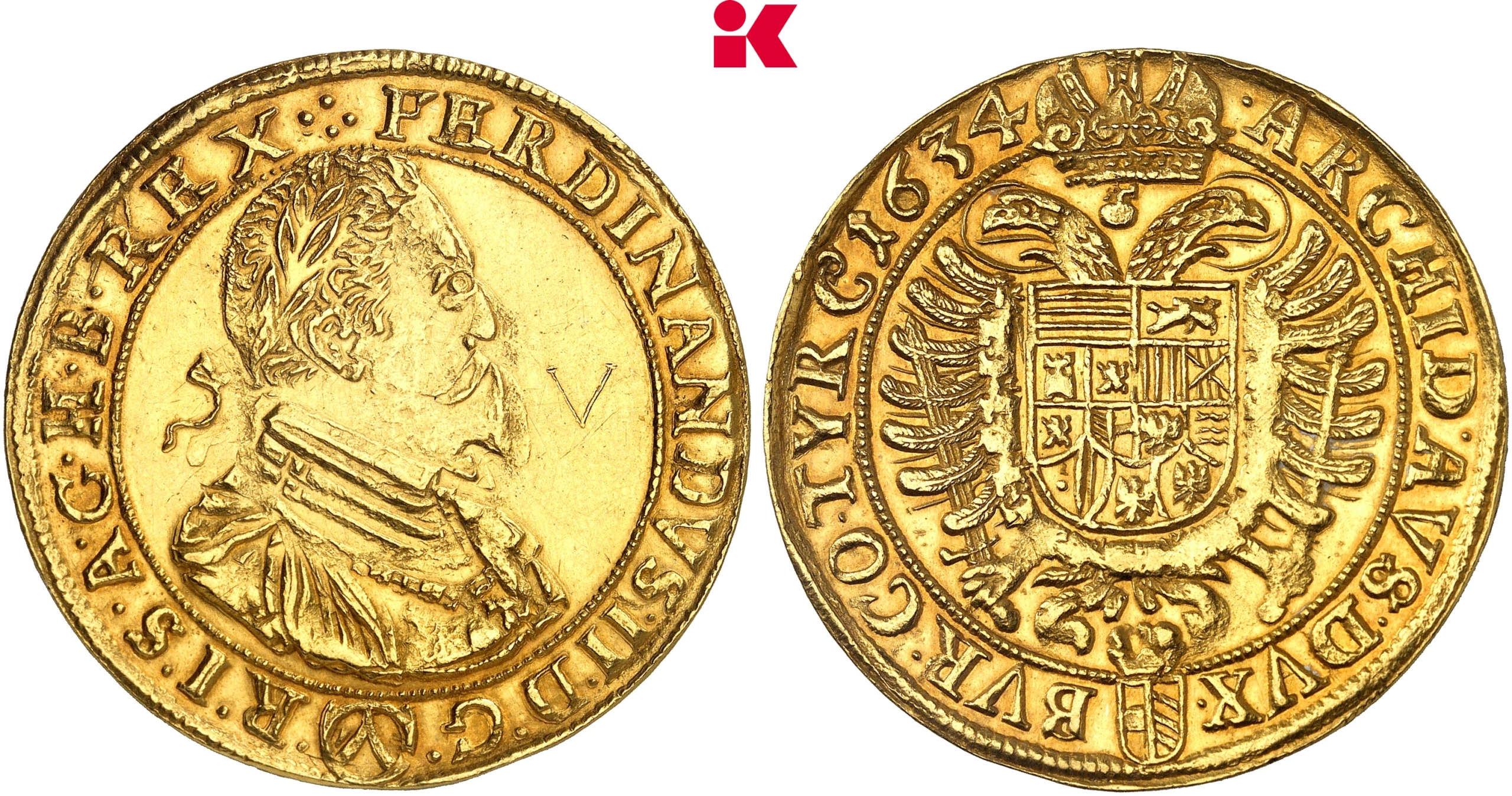
5 ducats, 1634, Vienna.
Extremely rare.
Extremely fine-uncirculated.
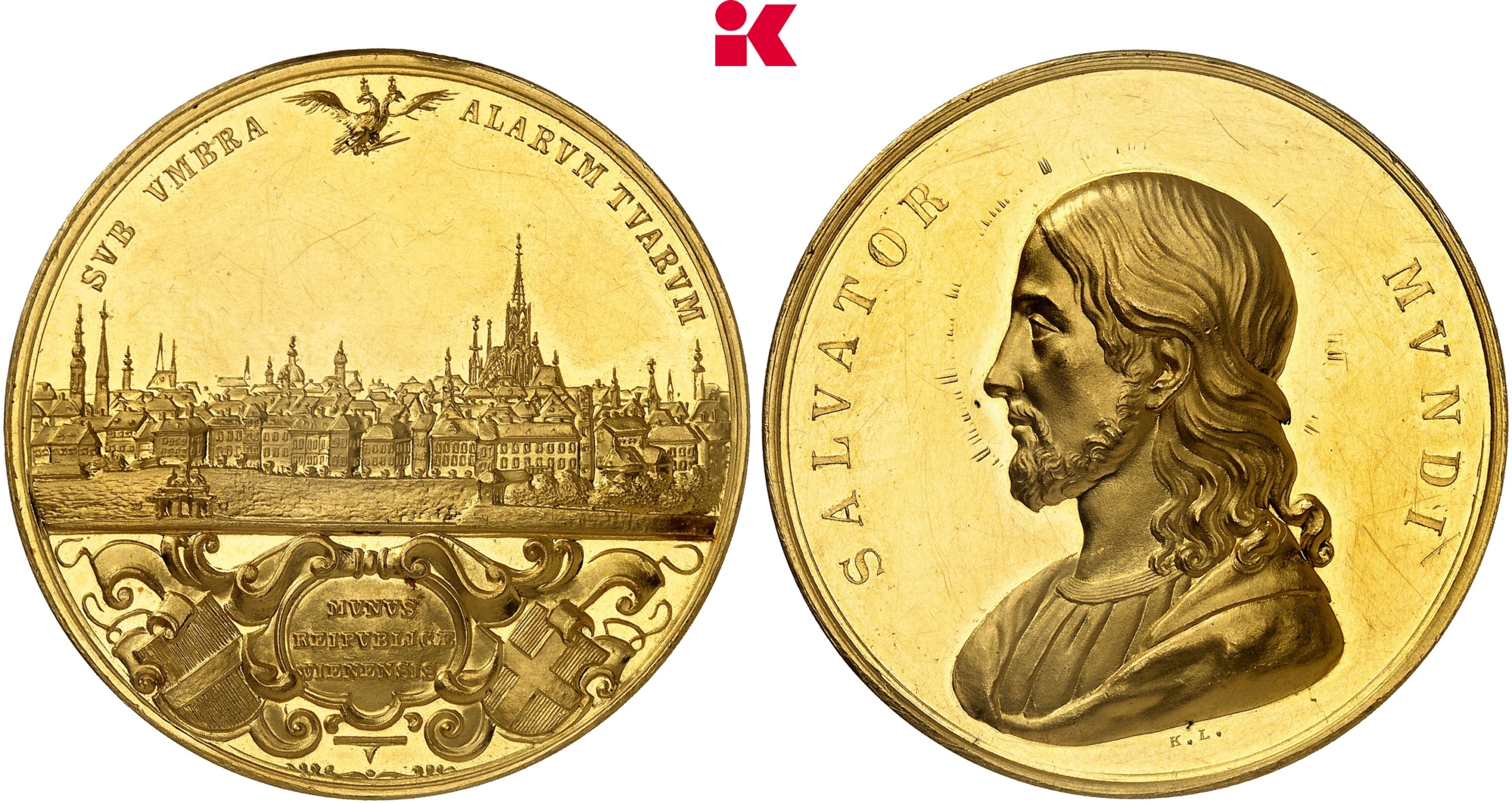
Salvator Medal in the weight of 12 ducats,
n. d.(around 1840).
NGC PF 61 CAMEO.
Proof.
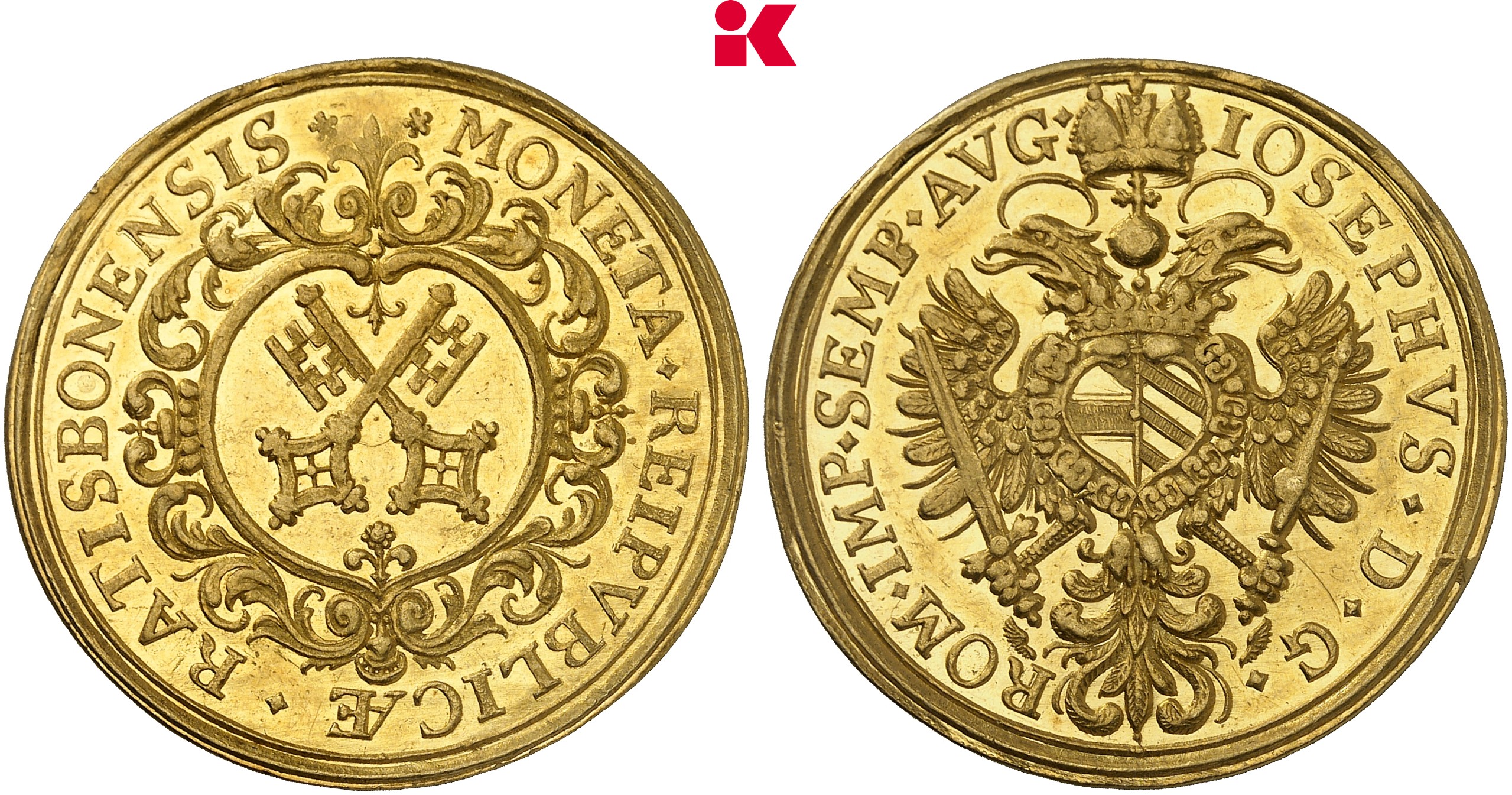
5 ducats, n. d. (1708–1710),
with the title of Joseph I. NGC MS 64.
Extremely rare. According to mint records,
only 7 copies struck.
A magnificent piece.
Archive: People and Markets

The Numismatic World Meets in Madrid: The Second Evento Numismático International
The second Evento Numismático Internacional will take place in Madrid at the end of June. This unique combination of coin fair and conference already attracted numerous visitors from around the world at its premiere last year. This time, Ursula Kampmann will lead an international session dedicated to change in the numismatic world.

9th International Symposium in Early Medieval Coinage 2024
The 9th International Symposium in Early Medieval Coinage will be held in April 2024. The symposium is a great opportunity for specialists, collectors and detectorists to meet – and of course to give a talk.
Archive: Coins, Medals and more
 https://new.coinsweekly.com/wp-content/uploads/2024/01/2023KW03HA_00.jpg
684
860
Ursula Kampmann
https://new.coinsweekly.com/wp-content/uploads/2023/01/logo-coinsweekly_590x204.png
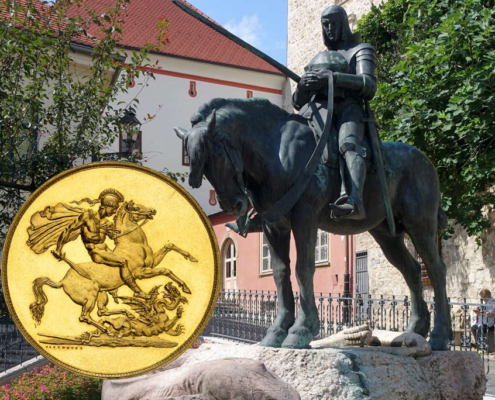
Ursula Kampmann2024-01-18 08:00:542024-01-18 10:35:27Why Are There So Many Coins Depicting Saint George?
https://new.coinsweekly.com/wp-content/uploads/2024/01/2023KW03HA_00.jpg
684
860
Ursula Kampmann
https://new.coinsweekly.com/wp-content/uploads/2023/01/logo-coinsweekly_590x204.png
Ursula Kampmann2024-01-18 08:00:542024-01-18 10:35:27Why Are There So Many Coins Depicting Saint George?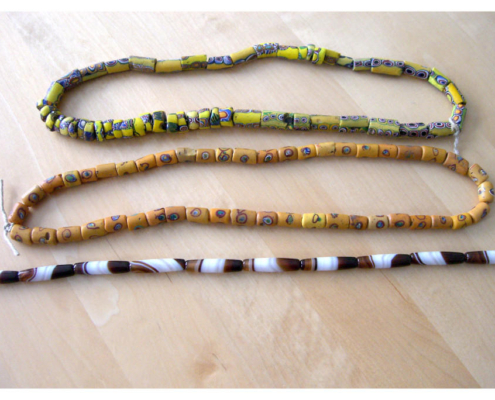 https://new.coinsweekly.com/wp-content/uploads/2025/04/2025KW16HA01_00.jpg
684
860
Lucie Loechel
https://new.coinsweekly.com/wp-content/uploads/2023/01/logo-coinsweekly_590x204.png
Lucie Loechel2025-04-17 08:34:042025-04-17 14:10:25What People Used to Pay With in South Africa
https://new.coinsweekly.com/wp-content/uploads/2025/04/2025KW16HA01_00.jpg
684
860
Lucie Loechel
https://new.coinsweekly.com/wp-content/uploads/2023/01/logo-coinsweekly_590x204.png
Lucie Loechel2025-04-17 08:34:042025-04-17 14:10:25What People Used to Pay With in South Africa
A Visit to Alesia
Alesia is part of France’s national heritage; it is where Vercingetorix lost the decisive battle against Caesar. Time and again, French politicians have been inspired by this defeat. It fuelled their will to resist and motivated France to cooperate with victorious powers. This also affected the place itself, which Ursula Kampmann visited.
Two Sides of the Same Coin. Means of Transactions – Masterpieces of Art
In a new exhibition at the Museum of the National Bank of Romania in Bucharest, the Alpha Bank Numismatic Collection shows historically and culturally important coins and addresses their role in communication and financial education.