








Archive: People and Markets
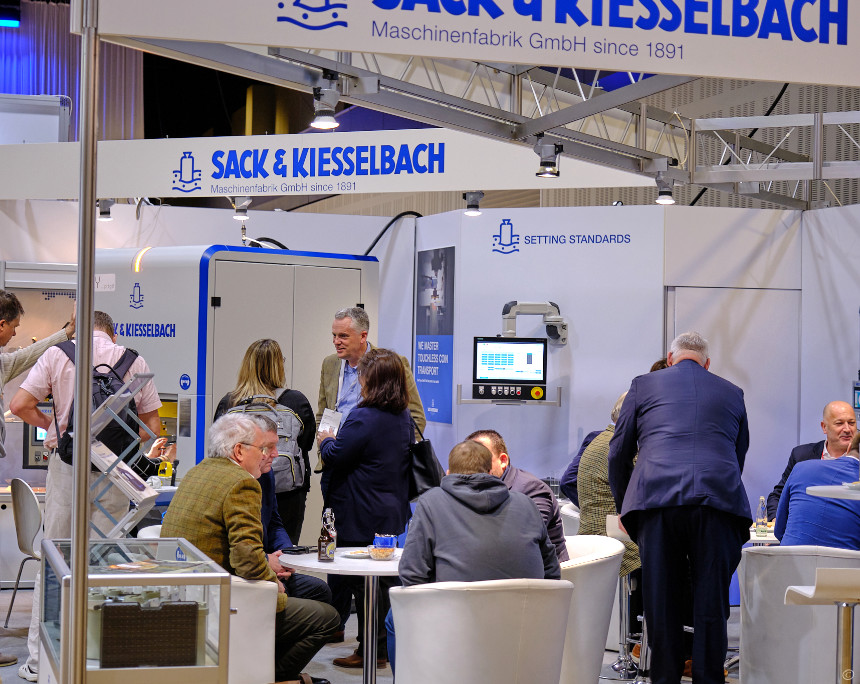
Sack & Kiesselbach at the World Money Fair
What does it mean for a technical supplier of the minting industry to set up a booth at the World Money Fair? Markus Schlein, CEO of Sack & Kiesselbach, explains how he prepares for the event and how he experiences the WMF.

Congress in Frankfurt: International Experts Discuss Gold and Silver Trends
From 23 to 25 March 2025, Frankfurt will host the inaugural ZukunftsForum Edelmetalle. This new congress brings together renowned precious metals experts to discuss current market trends, as well as economic and geopolitical developments in the gold, silver, and platinum sectors.
Archive: Coins, Medals and more
 https://new.coinsweekly.com/wp-content/uploads/2025/04/2025KW16HA02_00.jpg
684
860
Lucie Loechel
https://new.coinsweekly.com/wp-content/uploads/2023/01/logo-coinsweekly_590x204.png
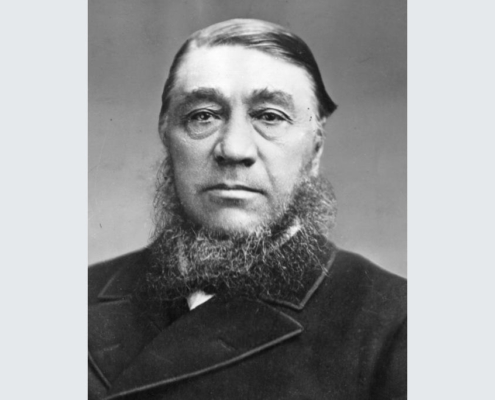
Lucie Loechel2025-04-17 08:30:092025-04-17 10:43:15Berlin and South Africa – A Time-Honoured Connection
https://new.coinsweekly.com/wp-content/uploads/2025/04/2025KW16HA02_00.jpg
684
860
Lucie Loechel
https://new.coinsweekly.com/wp-content/uploads/2023/01/logo-coinsweekly_590x204.png
Lucie Loechel2025-04-17 08:30:092025-04-17 10:43:15Berlin and South Africa – A Time-Honoured Connection https://new.coinsweekly.com/wp-content/uploads/2025/01/2025KW03HA_00.jpg
684
860
Sebastian Wieschowski
https://new.coinsweekly.com/wp-content/uploads/2023/01/logo-coinsweekly_590x204.png
Sebastian Wieschowski2025-01-16 07:00:032025-01-16 16:55:4925 Years Ago: Millennium Coins and the Dawn of a New Era
https://new.coinsweekly.com/wp-content/uploads/2025/01/2025KW03HA_00.jpg
684
860
Sebastian Wieschowski
https://new.coinsweekly.com/wp-content/uploads/2023/01/logo-coinsweekly_590x204.png
Sebastian Wieschowski2025-01-16 07:00:032025-01-16 16:55:4925 Years Ago: Millennium Coins and the Dawn of a New Era
Major State Exhibition at Two Museums in Trier: Marcus Aurelius
The state exhibition on Marcus Aurelius marks the opening of another world-class exhibition on ancient Rome in Trier. Who was the man whose Meditations became world literature? And what actually makes a “good ruler”, a quality which Marcus Aurelius is often said to embody?
CIT’s Lily Pad – Dragonfly
A dragonfly on a lily pad: CIT and B. H. Mayer use state-of-the-art minting technology to capture nature’s beauty in an awe-inspiring way.