







Archive: People and Markets
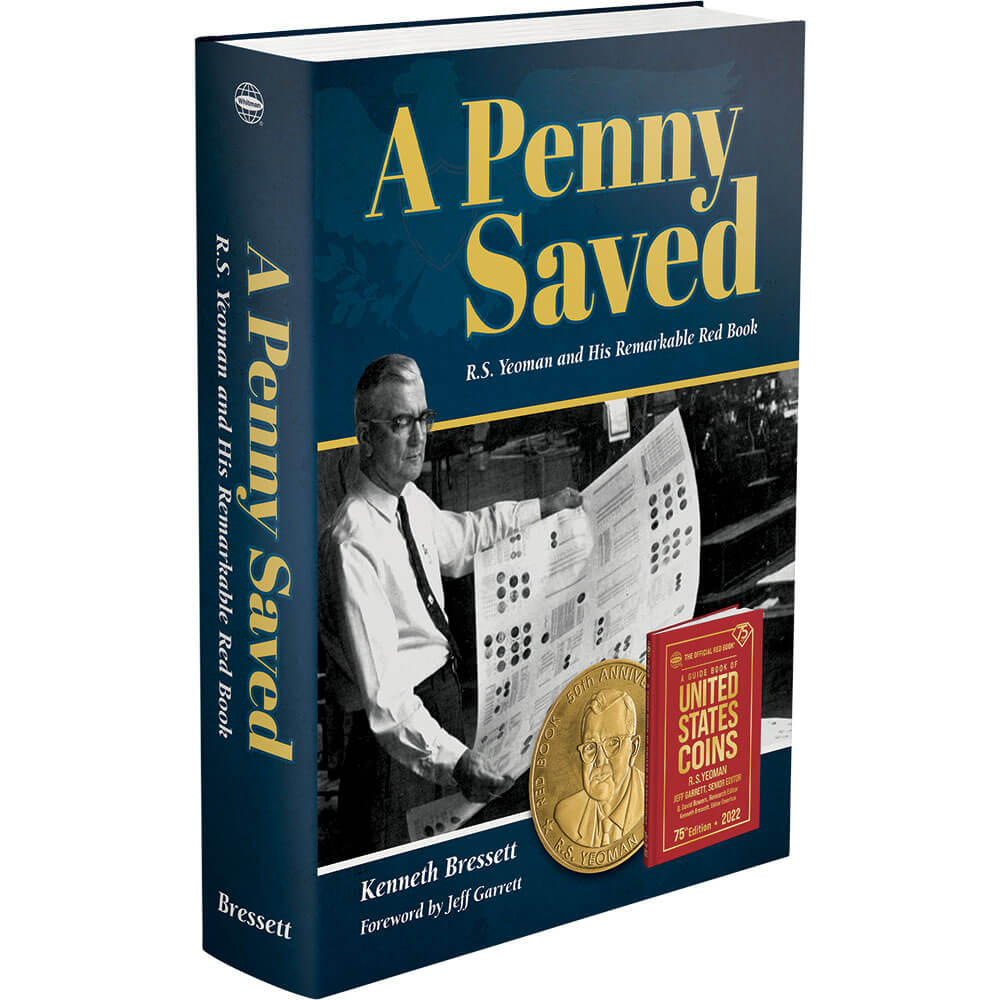
The “Red Book” and Its Two Fathers
Kenneth Bressett’s memoir “A Penny Saved” celebrates the life of Bressett’s mentor, hobby legend Richard S. Yeo and author of the “Red Book”. Joel J. Orosz explains what numismatics owes both of them.

New Coin Sets Mark 70th Anniversary of the Godzilla Series
To commemorate the 70th anniversary of the Godzilla series, two new coin sets have been released: the 70th Anniversary of GODZILLA Series BU Coin Set and the 70th Anniversary of GODZILLA Series 2024 Proof Coin Set.
Archive: Coins, Medals and more
 https://new.coinsweekly.com/wp-content/uploads/2024/10/2024KW40HA2_00.jpg
684
860
Bruno
https://new.coinsweekly.com/wp-content/uploads/2023/01/logo-coinsweekly_590x204.png
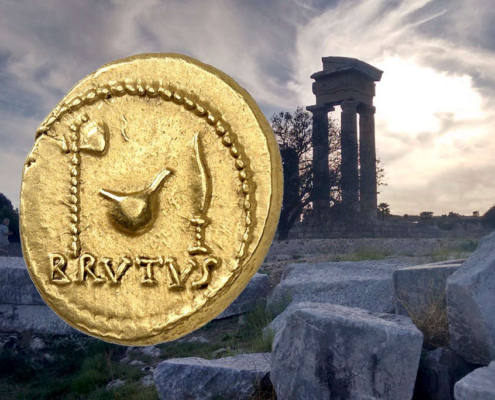
Bruno2024-10-02 13:24:392024-10-15 09:16:49Gold from Rhodes for the Battle for Rome
https://new.coinsweekly.com/wp-content/uploads/2024/10/2024KW40HA2_00.jpg
684
860
Bruno
https://new.coinsweekly.com/wp-content/uploads/2023/01/logo-coinsweekly_590x204.png
Bruno2024-10-02 13:24:392024-10-15 09:16:49Gold from Rhodes for the Battle for Rome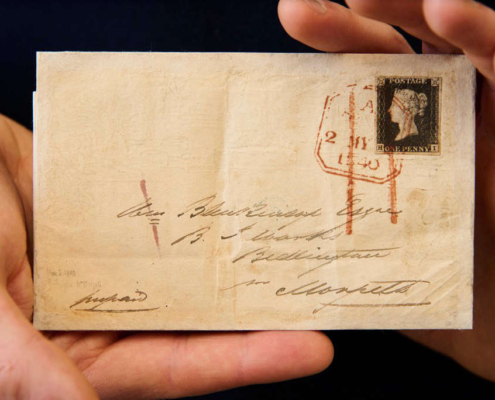 https://new.coinsweekly.com/wp-content/uploads/2024/01/2024KW05HA_00.jpg
684
860
Ursula Kampmann
https://new.coinsweekly.com/wp-content/uploads/2023/01/logo-coinsweekly_590x204.png
Ursula Kampmann2024-01-31 13:34:492024-01-31 13:34:49The First Piece of Mail Sent Using a Stamp to Be Offered at Sotheby’s
https://new.coinsweekly.com/wp-content/uploads/2024/01/2024KW05HA_00.jpg
684
860
Ursula Kampmann
https://new.coinsweekly.com/wp-content/uploads/2023/01/logo-coinsweekly_590x204.png
Ursula Kampmann2024-01-31 13:34:492024-01-31 13:34:49The First Piece of Mail Sent Using a Stamp to Be Offered at Sotheby’s
Legal Statement Issued on Italy’s Import Requirements for Coins
Italy requires such extensive documentation for the import of coins that many dealers prefer to avoid the country. But now, the Ministry of Culture in Rome has issued a legal statement that deserves some attention.
The End of Pobjoy Mint: An Interview with Taya Pobjoy
On 31 December 2023, Pobjoy Mint discontinued their operations. This marked the end of an era. In this interview, Taya Pobjoy explains why she decided to close down the mint and why she did not want to sell the company including her brand.