








Archive: People and Markets
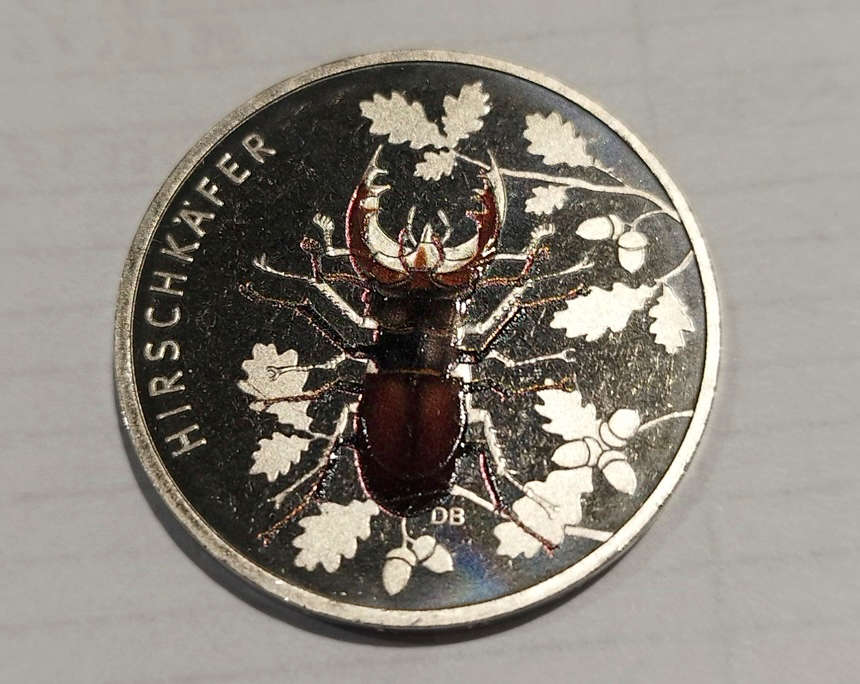
The Fascinating World of Insects and Minting Errors: The Misaligned Stag Beetle
A year ago, the paint on coins from the “Fascinating World of Insects” series began to flake off. Now, new anomalies have surfaced—ones that experts find only partially explainable.
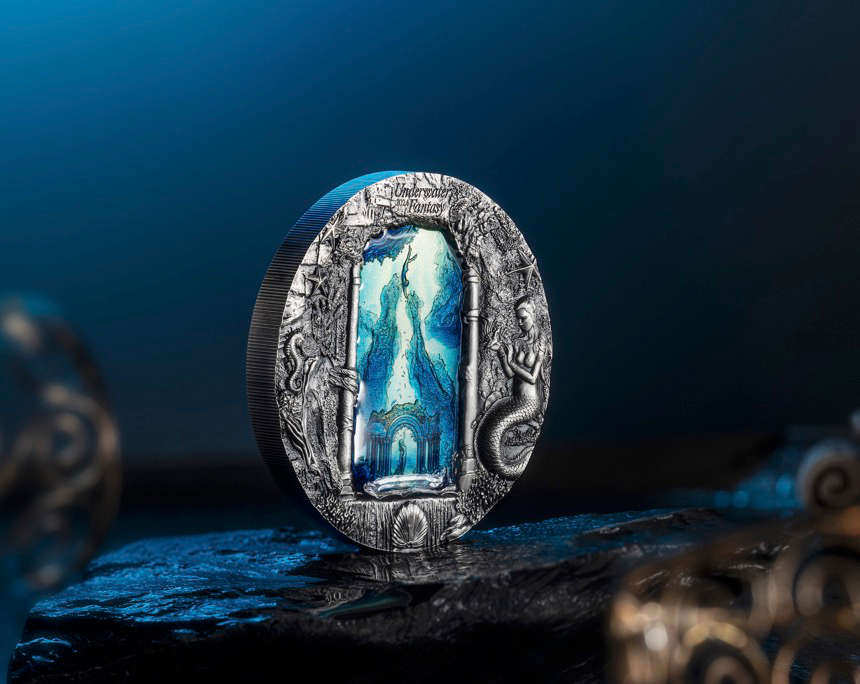
CIT’s Underwater Fantasy – Mermaids
The more we learn about the underwater world, its colorful, bizarrely shaped creatures and the sunken testaments to mankind, the more it captures our imagination and inspires our dreams. CIT translated this feeling into a numismatic shape. From a technical point of view, the application of enamel reproducing underwater visuals is highly remarkable.
Archive: Coins, Medals and more
 https://new.coinsweekly.com/wp-content/uploads/2024/05/2024KW21HA_00.jpg
684
860
Ursula Kampmann
https://new.coinsweekly.com/wp-content/uploads/2023/01/logo-coinsweekly_590x204.png
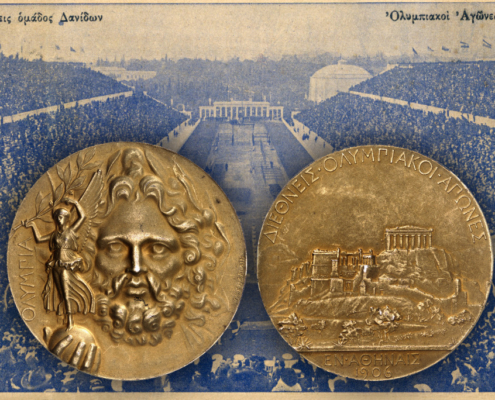
Ursula Kampmann2024-05-23 10:47:532024-05-23 11:04:37The Olympic Games That Are No Longer Recognized
https://new.coinsweekly.com/wp-content/uploads/2024/05/2024KW21HA_00.jpg
684
860
Ursula Kampmann
https://new.coinsweekly.com/wp-content/uploads/2023/01/logo-coinsweekly_590x204.png
Ursula Kampmann2024-05-23 10:47:532024-05-23 11:04:37The Olympic Games That Are No Longer Recognized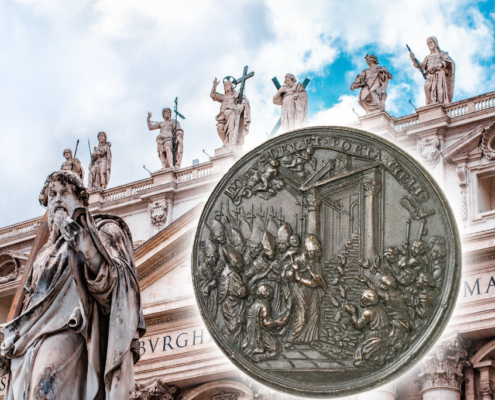 https://new.coinsweekly.com/wp-content/uploads/2024/03/2024KW10HA_00.jpg
684
860
Ursula Kampmann
https://new.coinsweekly.com/wp-content/uploads/2023/01/logo-coinsweekly_590x204.png
Ursula Kampmann2024-03-07 11:39:512024-03-07 14:21:30Coins and Medals of the Popes: Representatives of the Catholic Church
https://new.coinsweekly.com/wp-content/uploads/2024/03/2024KW10HA_00.jpg
684
860
Ursula Kampmann
https://new.coinsweekly.com/wp-content/uploads/2023/01/logo-coinsweekly_590x204.png
Ursula Kampmann2024-03-07 11:39:512024-03-07 14:21:30Coins and Medals of the Popes: Representatives of the Catholic Church
ICOMON Annual Conference 2023: Call for Papers
The 2023 ICOMON annual conference will be held in November in Malaysia. Speakers are now invited to send their abstracts on the theme: Reinforcing Museum’s sustainable competitiveness in the peak of digitization & social/global challenges.
Joachim Stollhoff (18.7.1948-2.11.2024)
Claire Franklin-Werz also wrote an extensive obituary for her long-time friend and mentor Joachim Stollhoff.