






Archive: People and Markets
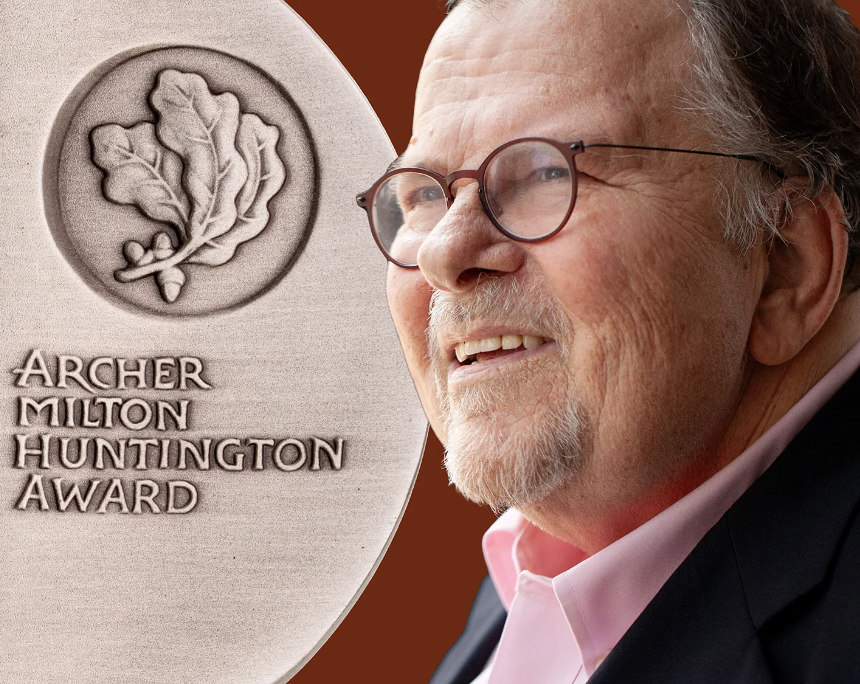
2024 Huntington Award Presented to William E. Metcalf
At the 167th Annual Meeting of the American Numismatic Society, the Archer M. Huntington Award was presented to Dr. William E. Metcalf, honoring his tremendous contributions to Roman and Byzantine numismatics.
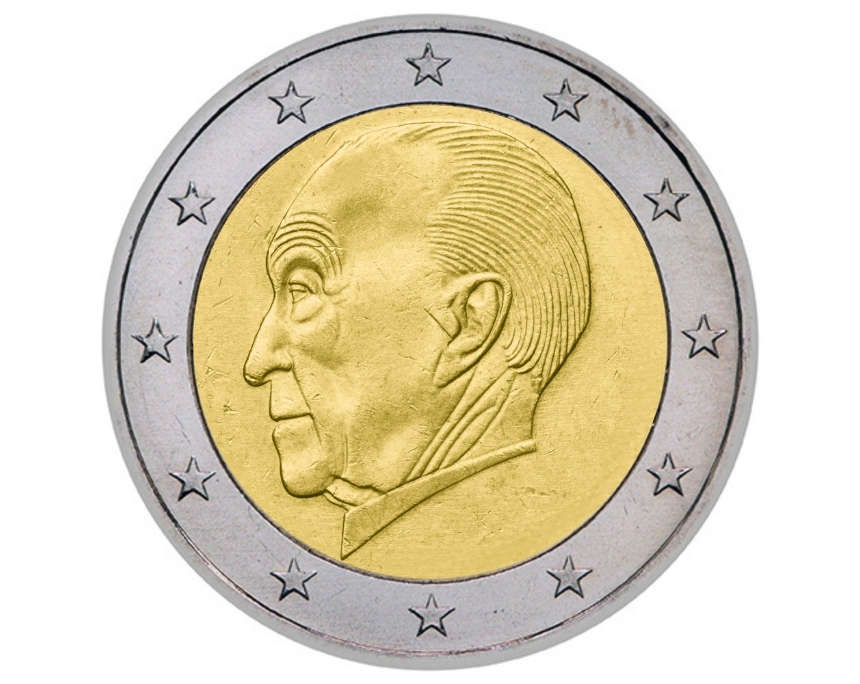
German Coins in 2026: Two New Series and a Familiar Face
The Federal Ministry of Finance has published the coin programme for 2026. Collectors can look forward to a total of twelve coin issues covering a wide thematic spectrum.
Archive: Coins, Medals and more
 https://new.coinsweekly.com/wp-content/uploads/2024/02/2024KW08HA_00.jpg
684
860
Ursula Kampmann
https://new.coinsweekly.com/wp-content/uploads/2023/01/logo-coinsweekly_590x204.png
Ursula Kampmann2024-02-22 09:46:292024-02-22 10:15:42The History and Coinage of Lycia
https://new.coinsweekly.com/wp-content/uploads/2024/02/2024KW08HA_00.jpg
684
860
Ursula Kampmann
https://new.coinsweekly.com/wp-content/uploads/2023/01/logo-coinsweekly_590x204.png
Ursula Kampmann2024-02-22 09:46:292024-02-22 10:15:42The History and Coinage of Lycia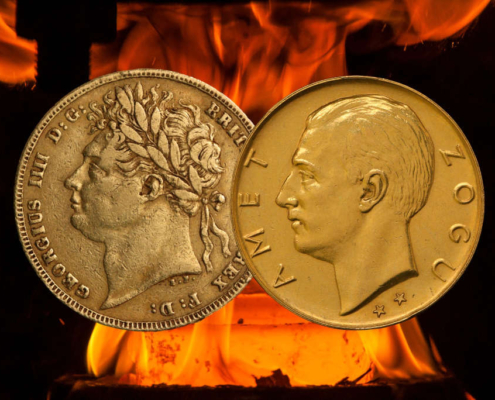 https://new.coinsweekly.com/wp-content/uploads/2024/07/2024KW30HA_00.jpg
684
860
Sebastian Wieschowski
https://new.coinsweekly.com/wp-content/uploads/2023/01/logo-coinsweekly_590x204.png
Sebastian Wieschowski2024-07-25 09:00:162024-07-25 09:26:11Gold at Record Highs: Melt Down or Preserve Historic Gold Coins?
https://new.coinsweekly.com/wp-content/uploads/2024/07/2024KW30HA_00.jpg
684
860
Sebastian Wieschowski
https://new.coinsweekly.com/wp-content/uploads/2023/01/logo-coinsweekly_590x204.png
Sebastian Wieschowski2024-07-25 09:00:162024-07-25 09:26:11Gold at Record Highs: Melt Down or Preserve Historic Gold Coins?
Greysheet Launches Red Book Podcast Series
Greysheet launched The Red Book Podcast, a new online series hosted by John Feigenbaum and Jeff Garrett. The podcast delves into the rich history and fascinating stories surrounding the legendary A Guide Book of United States Coins, affectionately known as the “Red Book”.
New Director of the Winterthur Coin Cabinet Appointed
Gunnar Dumke will be the new director of Winterthur Coin Cabinet. The ancient historian and archaeologist will succeed Benedikt Zäch, who is retiring after thirty years at this position.