








Archive: People and Markets

Highlights from Shanghai Mint Museum to be Showcased in London
For the first time, highlights from the collection of the Shanghai Mint Museum will be showcased in London at the former Royal Mint. The temporary exhibition titled COINect will be open from 8 to 14 June.
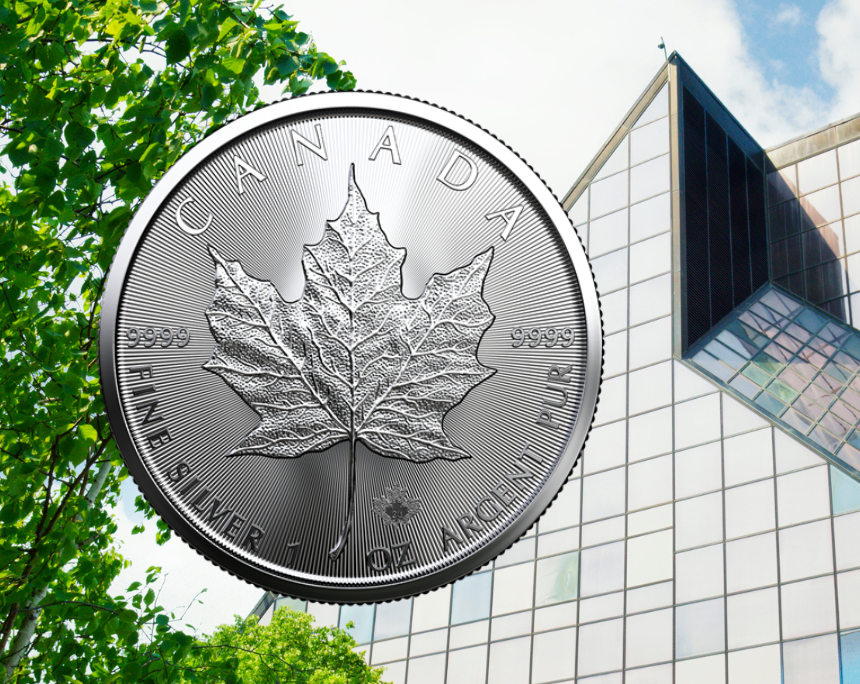
Royal Canadian Mint Reports First Quarter 2024 Financial Results
The Royal Canadian Mint has released its financial results for the year 2023 and the first quarter of 2024, offering insights into its activities, market influences, and expectations for the coming year.
Archive: Coins, Medals and more
 https://new.coinsweekly.com/wp-content/uploads/2023/06/00-6.jpg
489
1001
Bruno
https://new.coinsweekly.com/wp-content/uploads/2023/01/logo-coinsweekly_590x204.png
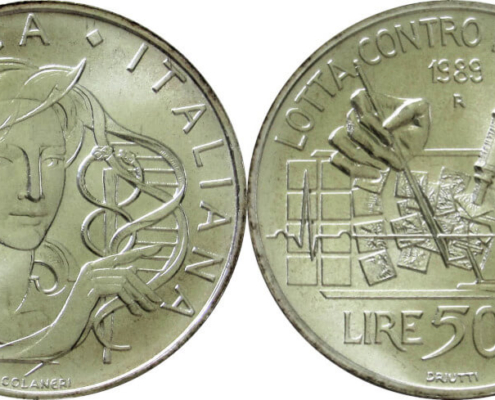
Bruno2022-06-13 12:59:122023-07-03 13:07:57Numismatic Issues Concerning Health, Medicine and Women in Times of Covid, Part 3: Personifications of Health and Medicine
https://new.coinsweekly.com/wp-content/uploads/2023/06/00-6.jpg
489
1001
Bruno
https://new.coinsweekly.com/wp-content/uploads/2023/01/logo-coinsweekly_590x204.png
Bruno2022-06-13 12:59:122023-07-03 13:07:57Numismatic Issues Concerning Health, Medicine and Women in Times of Covid, Part 3: Personifications of Health and Medicine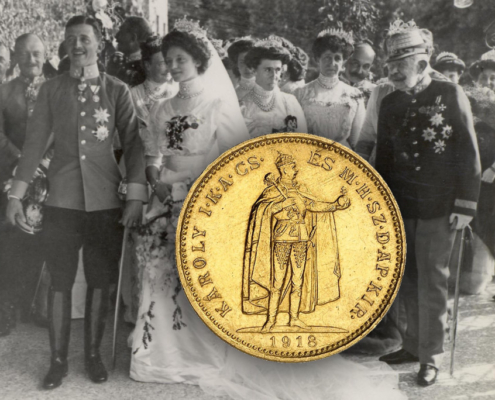 https://new.coinsweekly.com/wp-content/uploads/2024/05/2024KW20HA_00.jpg
684
860
Ursula Kampmann
https://new.coinsweekly.com/wp-content/uploads/2023/01/logo-coinsweekly_590x204.png
Ursula Kampmann2024-05-16 10:22:052024-05-16 10:35:23Charles I of Austria-Hungary: A Hapless Emperor Who Was Beatified
https://new.coinsweekly.com/wp-content/uploads/2024/05/2024KW20HA_00.jpg
684
860
Ursula Kampmann
https://new.coinsweekly.com/wp-content/uploads/2023/01/logo-coinsweekly_590x204.png
Ursula Kampmann2024-05-16 10:22:052024-05-16 10:35:23Charles I of Austria-Hungary: A Hapless Emperor Who Was Beatified
The World’s Smallest Coin
Now it is official: Croatia’s 1-kuna coin dedicated to the town of Hum holds the Guinness World Record as the world’s smallest coin!
Tiffany Art Metropolis – Palace of Westminster
CIT’s Tiffany issues are among the most coveted rarities on the collectors’ market. This is not only due to their innovative inlay but also to the high level of minting technology and the attention to detail. In 2023 it is London’s turn with the Palace of Westminster. The playful neo-Gothic architecture of the Victorian age is perfectly suited for such an elaborate design.