






Archive: People and Markets
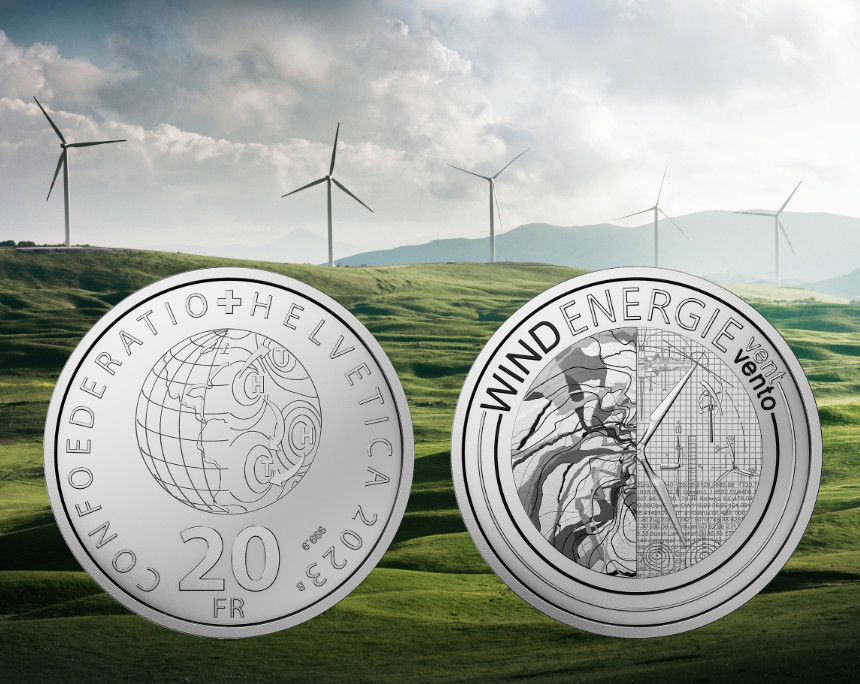
Swissmint Commemorates Wind Power
Following the issues on hydropower and solar energy, Swissmint completes its trilogy “Energy of the Future” with the new commemorative coin “Wind power.” As with its two predecessors, the silver coin glows in the dark.
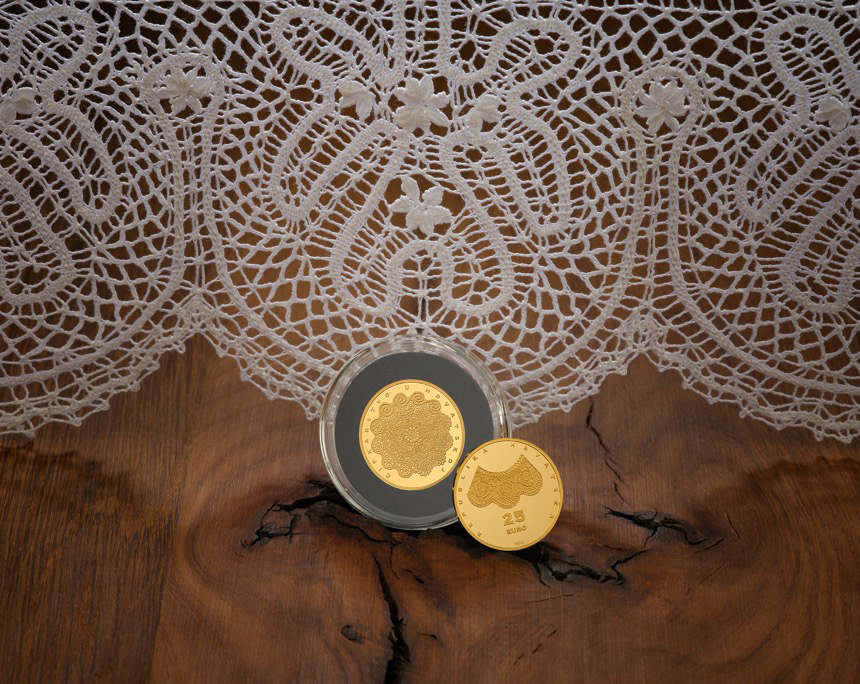
Croatia’s New “Lace-Making in Croatia” Gold Coins
Croatia has released three new gold commemorative coins to pay tribute to lace-making, a tradition recognised by UNESCO. The manufacture of lace in Pag, Hvar, and Lepoglava has been part of the Intangible Cultural Heritage of Humanity since 2009.
Archive: Coins, Medals and more
 https://new.coinsweekly.com/wp-content/uploads/2023/09/2023KW38HA_00.jpg
684
860
Ursula Kampmann
https://new.coinsweekly.com/wp-content/uploads/2023/01/logo-coinsweekly_590x204.png
Ursula Kampmann2023-09-21 08:00:202023-09-21 14:13:23Two Cityscapes on Coins From Frankfurt am Main and The Artwork That Inspired Them
https://new.coinsweekly.com/wp-content/uploads/2023/09/2023KW38HA_00.jpg
684
860
Ursula Kampmann
https://new.coinsweekly.com/wp-content/uploads/2023/01/logo-coinsweekly_590x204.png
Ursula Kampmann2023-09-21 08:00:202023-09-21 14:13:23Two Cityscapes on Coins From Frankfurt am Main and The Artwork That Inspired Them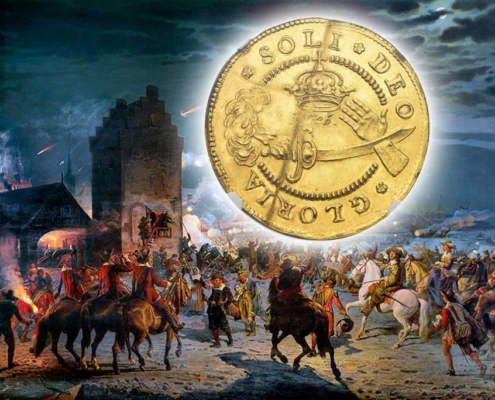 https://new.coinsweekly.com/wp-content/uploads/2024/10/2024KW40HA1_00.jpg
684
860
Bruno
https://new.coinsweekly.com/wp-content/uploads/2023/01/logo-coinsweekly_590x204.png
Bruno2024-10-02 13:27:042024-10-02 15:38:36Frederick III of Denmark and Eben Ezer
https://new.coinsweekly.com/wp-content/uploads/2024/10/2024KW40HA1_00.jpg
684
860
Bruno
https://new.coinsweekly.com/wp-content/uploads/2023/01/logo-coinsweekly_590x204.png
Bruno2024-10-02 13:27:042024-10-02 15:38:36Frederick III of Denmark and Eben Ezer
Faust Vrančić: The Croatian Leonardo
Croatia issues two new collector coins as part of its “Croatian Innovators” series. They are dedicated to Faust Vrančić, a Croatian polymath whose parachute design, published in his 1595 book “Machinae novae”, is the first appearance of this device in a printed work.
When Coins meet Comics: United States Mint and Warner Bros. Join Forces
The Historic modern culture partnership is a first of its kind for the United States Mint. Collectors are invited to vote for their favorite superheroes that will be appearing on US coins soon.