







Archive: People and Markets
Over 3,200 Visitors at the 2025 National Money Show in Atlanta
The 2025 National Money Show featured an exciting mix of family fun, rare exhibits, and exclusive numismatic opportunities, making it a must-attend event for collectors, dealers, and history enthusiasts alike.
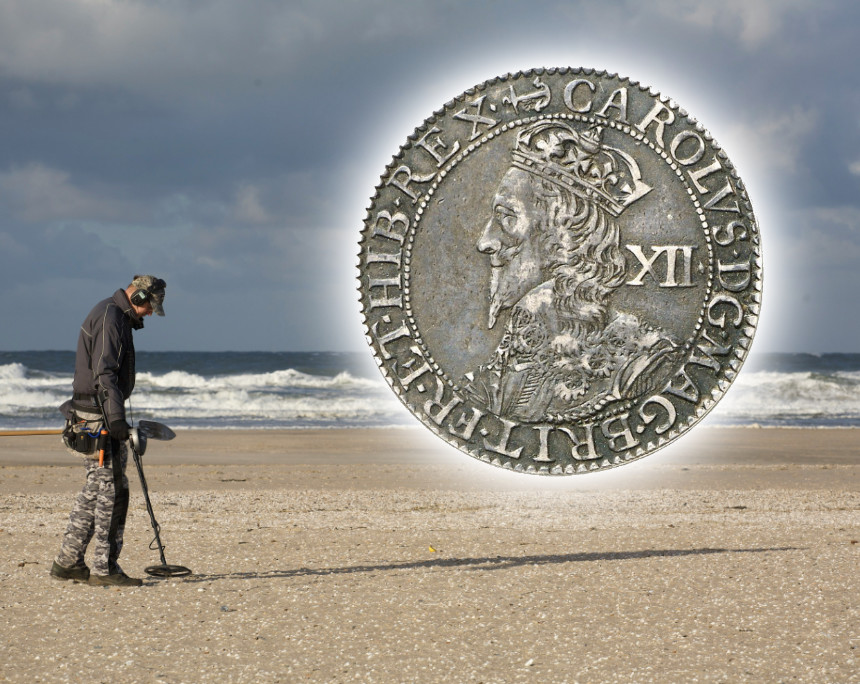
Double Beginner’s Luck: Man Wins Metal Detector and Finds Hundreds of Coins
A Dorset man was lucky enough to experience two windfalls this spring. First he won an expensive metal detector in a prize draw, then – just a short time later – he made a valuable find with it.
Archive: Coins, Medals and more
 https://new.coinsweekly.com/wp-content/uploads/2024/10/2024KW43HA_00.jpg
684
860
Lucie Loechel
https://new.coinsweekly.com/wp-content/uploads/2023/01/logo-coinsweekly_590x204.png
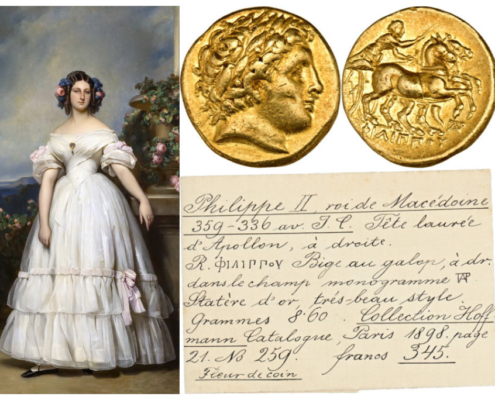
Lucie Loechel2024-10-24 10:15:002024-10-24 13:59:31Clémentine d’Orléans: Extraordinary Woman and Coin Collector
https://new.coinsweekly.com/wp-content/uploads/2024/10/2024KW43HA_00.jpg
684
860
Lucie Loechel
https://new.coinsweekly.com/wp-content/uploads/2023/01/logo-coinsweekly_590x204.png
Lucie Loechel2024-10-24 10:15:002024-10-24 13:59:31Clémentine d’Orléans: Extraordinary Woman and Coin Collector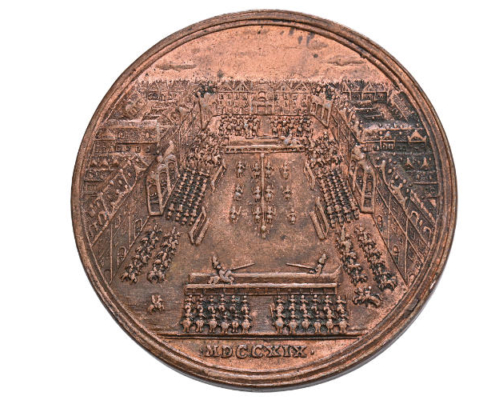 https://new.coinsweekly.com/wp-content/uploads/2023/06/2023KW23HA00.jpg
500
1000
Bruno
https://new.coinsweekly.com/wp-content/uploads/2023/01/logo-coinsweekly_590x204.png
Bruno2023-06-07 10:29:512023-06-27 11:22:29The Wedding of a Century in Saxony
https://new.coinsweekly.com/wp-content/uploads/2023/06/2023KW23HA00.jpg
500
1000
Bruno
https://new.coinsweekly.com/wp-content/uploads/2023/01/logo-coinsweekly_590x204.png
Bruno2023-06-07 10:29:512023-06-27 11:22:29The Wedding of a Century in Saxony
A Family Reunion of the World of Coins: The 2025 World Money Fair
Every year, the World Money Fair is a very special experience. So it’s no wonder that thousands of people from all over the world travel to Berlin when the largest international coin fair opens its doors. Of course, we were there, too.
Interview: Are Modern Collector Coins a Sensible Investment?
It is becoming increasingly popular to buy coins as a form of investment, but this can be risky if the buyer lacks the necessary expertise. We spoke to someone who really knows their stuff: Dirk Wasserthal, Managing Director of RareCoin.Store and expert in rarities of modern numismatics, tells us what to look out for.