







Archive: People and Markets
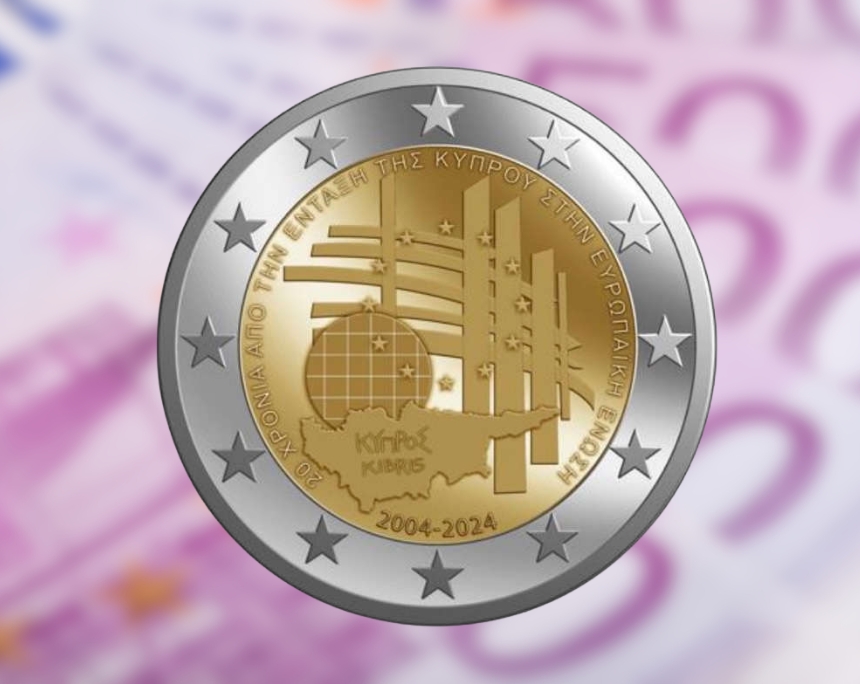
Have We Reached the Limit? 2-Euro Collectors Are Giving Up In the Face of a Myriad of Varieties
Collecting coins is a hobby that is not only educational but, at its best, should provide lasting pleasure. However, if you look at the relevant online forums, Facebook groups and Discord servers, you get the impression that more and more 2-euro collectors are no longer enjoying their hobby.
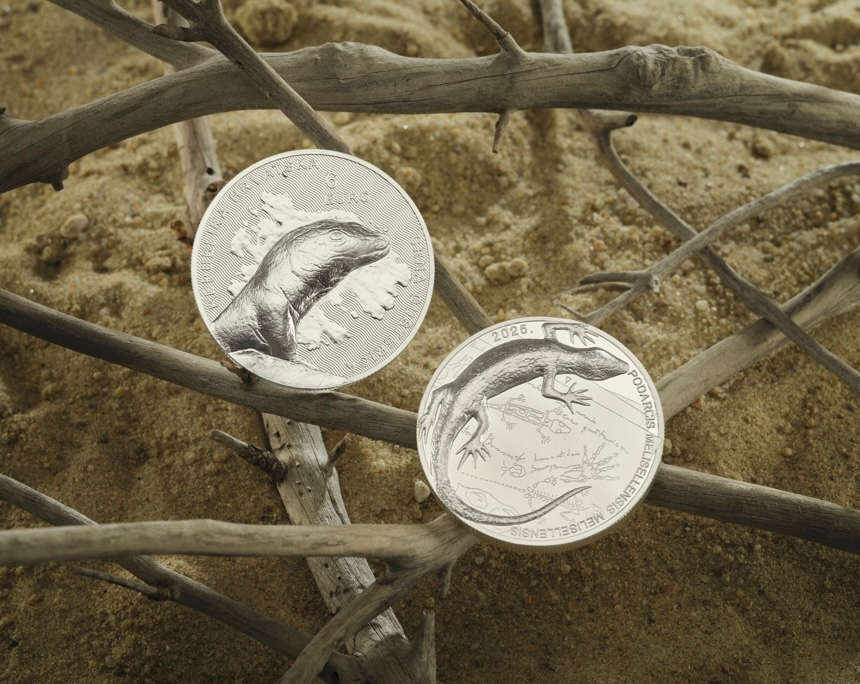
The Black Lizard from Brusnik Island in Ultra-High Relief
Croatia is home to a lizard species that would have impressed even Darvin himself: the autochthonous black lizard, found only on the island of Brusnik. On 14 March 2024, Croatia issued three collector coins in its honour. Now the fourth, a two-ounce silver version in ultra-high relief, has been released.
Archive: Coins, Medals and more
 https://new.coinsweekly.com/wp-content/uploads/2025/03/0.jpg
684
860
Sebastian Wieschowski
https://new.coinsweekly.com/wp-content/uploads/2023/01/logo-coinsweekly_590x204.png
Sebastian Wieschowski2025-03-06 06:00:312025-03-06 14:32:55Women on Commemorative Coins: A Long Road to True Equality
https://new.coinsweekly.com/wp-content/uploads/2025/03/0.jpg
684
860
Sebastian Wieschowski
https://new.coinsweekly.com/wp-content/uploads/2023/01/logo-coinsweekly_590x204.png
Sebastian Wieschowski2025-03-06 06:00:312025-03-06 14:32:55Women on Commemorative Coins: A Long Road to True Equality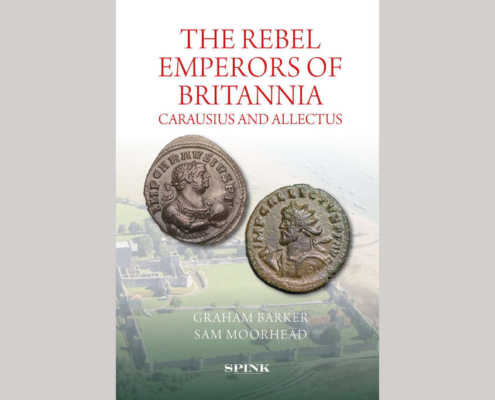 https://new.coinsweekly.com/wp-content/uploads/2023/09/2023KW39HA_00b.jpg
684
860
Ursula Kampmann
https://new.coinsweekly.com/wp-content/uploads/2023/01/logo-coinsweekly_590x204.png
Ursula Kampmann2023-09-28 08:28:482023-09-28 12:21:21Rebel Emperors of Britannia: Carausius and Allectus
https://new.coinsweekly.com/wp-content/uploads/2023/09/2023KW39HA_00b.jpg
684
860
Ursula Kampmann
https://new.coinsweekly.com/wp-content/uploads/2023/01/logo-coinsweekly_590x204.png
Ursula Kampmann2023-09-28 08:28:482023-09-28 12:21:21Rebel Emperors of Britannia: Carausius and Allectus
The New and Advanced Coin Yearbook 2025
The new 2025 edition of the Coin Yearbook is fully revised and updated. It features accurate up-to-the-minute pricing of English, Scottish, Irish and Isle of Man coins and many more features.
Bookophile in New Splendour – the Redesigned Website for Book Lovers
Bookophile, the Zurich MoneyMuseum’s website for book enthusiasts, has been relaunched and spruced up with a fresh look and new features. One thing, however, stays the same: it is all about the love of old books. A major emphasis – how could it be otherwise for a MoneyMuseum – is on the subject of money and society.