










Archive: People and Markets

Legal Statement Issued on Italy’s Import Requirements for Coins
Italy requires such extensive documentation for the import of coins that many dealers prefer to avoid the country. But now, the Ministry of Culture in Rome has issued a legal statement that deserves some attention.
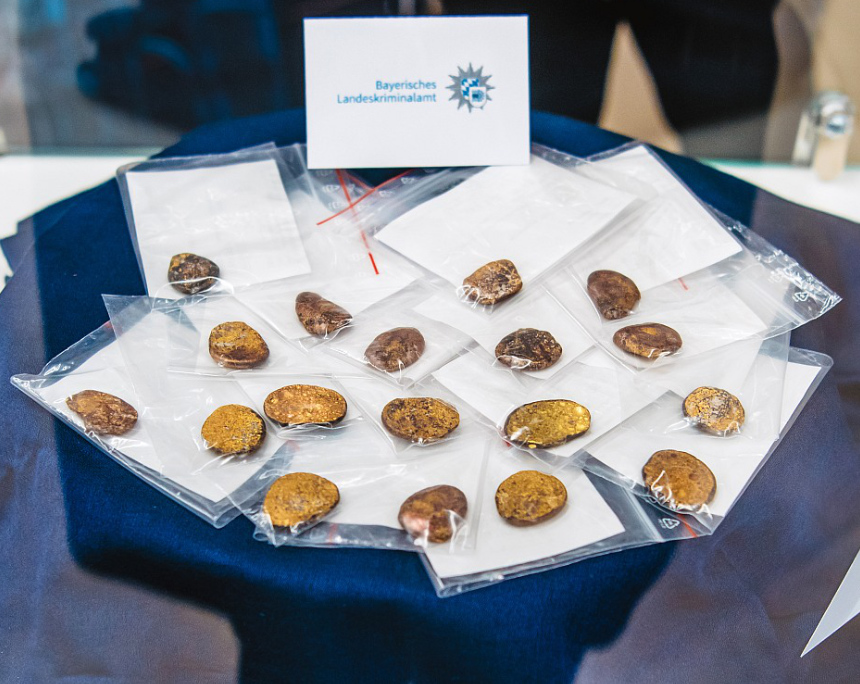
Perpetrators on Trial: An Update on the Manching Case
The news of the destruction of the Celtic coin hoard from Manching shook the numismatic world. The alleged perpetrators are now on trial. What is the current situation and is there still hope of recovering some of the coins intact?
Archive: Coins, Medals and more
 https://new.coinsweekly.com/wp-content/uploads/2023/06/00-6.jpg
489
1001
Bruno
https://new.coinsweekly.com/wp-content/uploads/2023/01/logo-coinsweekly_590x204.png
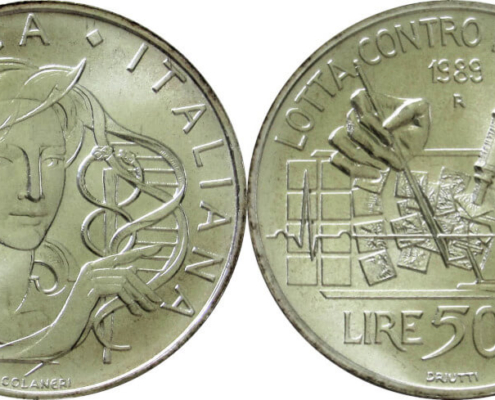
Bruno2022-06-13 12:59:122023-07-03 13:07:57Numismatic Issues Concerning Health, Medicine and Women in Times of Covid, Part 3: Personifications of Health and Medicine
https://new.coinsweekly.com/wp-content/uploads/2023/06/00-6.jpg
489
1001
Bruno
https://new.coinsweekly.com/wp-content/uploads/2023/01/logo-coinsweekly_590x204.png
Bruno2022-06-13 12:59:122023-07-03 13:07:57Numismatic Issues Concerning Health, Medicine and Women in Times of Covid, Part 3: Personifications of Health and Medicine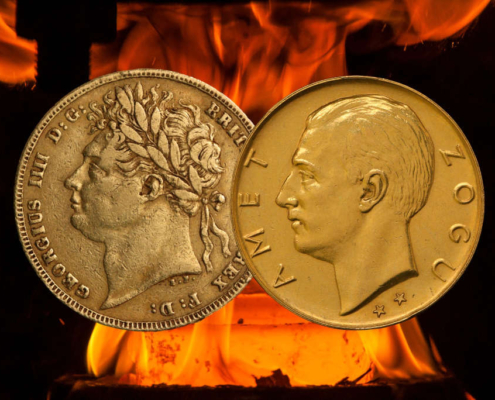 https://new.coinsweekly.com/wp-content/uploads/2024/07/2024KW30HA_00.jpg
684
860
Sebastian Wieschowski
https://new.coinsweekly.com/wp-content/uploads/2023/01/logo-coinsweekly_590x204.png
Sebastian Wieschowski2024-07-25 09:00:162024-07-25 09:26:11Gold at Record Highs: Melt Down or Preserve Historic Gold Coins?
https://new.coinsweekly.com/wp-content/uploads/2024/07/2024KW30HA_00.jpg
684
860
Sebastian Wieschowski
https://new.coinsweekly.com/wp-content/uploads/2023/01/logo-coinsweekly_590x204.png
Sebastian Wieschowski2024-07-25 09:00:162024-07-25 09:26:11Gold at Record Highs: Melt Down or Preserve Historic Gold Coins?
The Black Lizard from Brusnik Island in Ultra-High Relief
Croatia is home to a lizard species that would have impressed even Darvin himself: the autochthonous black lizard, found only on the island of Brusnik. On 14 March 2024, Croatia issued three collector coins in its honour. Now the fourth, a two-ounce silver version in ultra-high relief, has been released.
Will the Online Platform “Discord” Become the Coin Club of the Future?
Young collectors are embracing technology from the world of computer games to pursue their hobby. Thousands of coin enthusiasts discuss, trade and compete on gaming servers – and from time to time they meet in European capitals to hunt for rarities.