








Archive: People and Markets
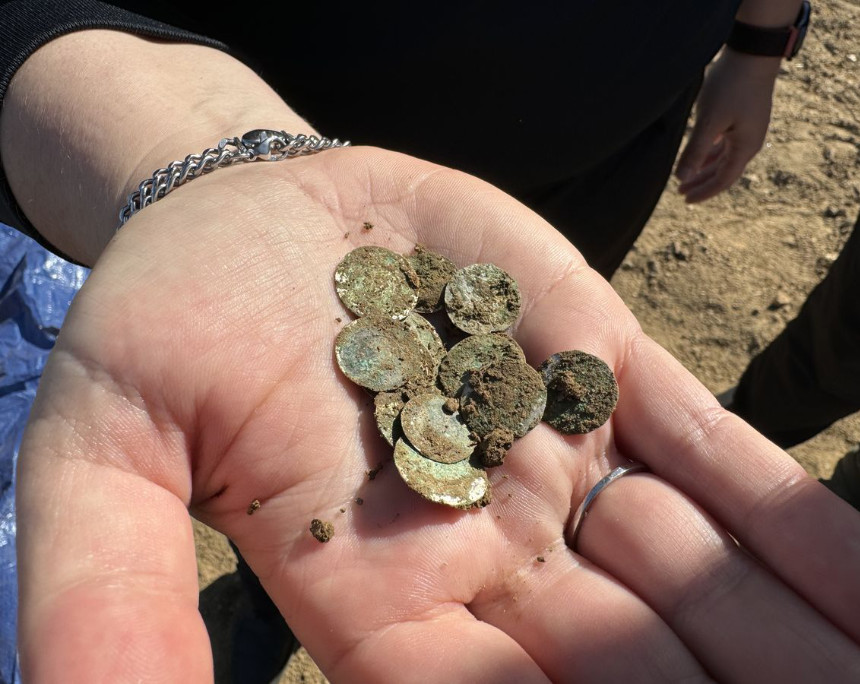
More Than 2,000 Medieval Denarii Discovered in Czechia
It is said to be one of the most important Czech coin hoards of the last 10 years: more than 2,000 coins from the period around 1100 have been discovered near Kutná Hora. The find dates from a time of conflict between members of the Přemyslid dynasty for control of the Prague princely throne.
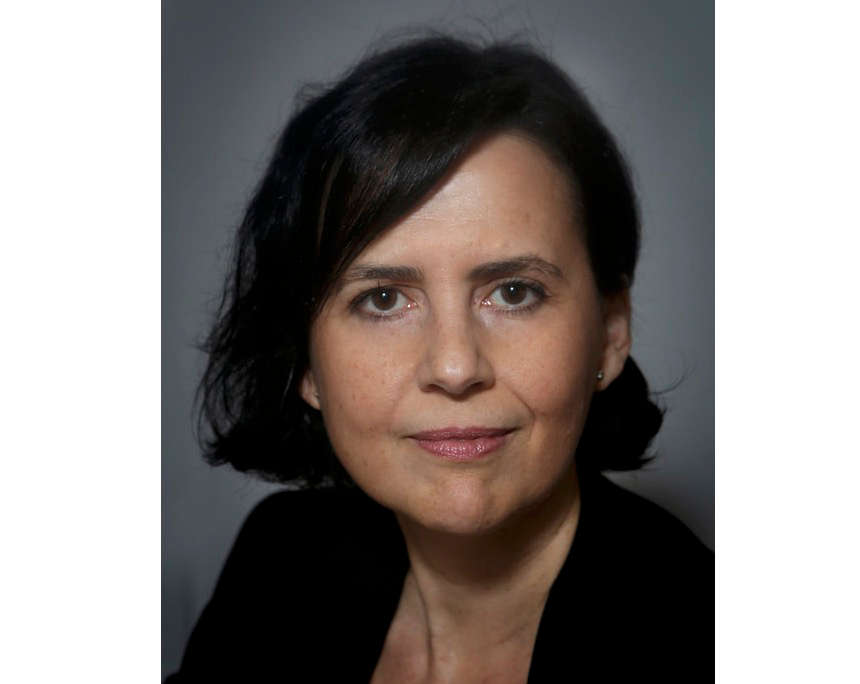
Ruth Pliego Receives the 2023 Huntington Award
The Trustees of the American Numismatic Society (ANS) have named Dr. Ruth Pliego as the recipient of the 2023 Archer M. Huntington Medal Award for Excellence in Numismatic Scholarship. If you are interested in Visigothic coins, be sure to watch the lecture the honoree gave on this occasion.
Archive: Coins, Medals and more
 https://new.coinsweekly.com/wp-content/uploads/2024/10/2024KW42HA1_00.jpg
684
860
Lucie Loechel
https://new.coinsweekly.com/wp-content/uploads/2023/01/logo-coinsweekly_590x204.png
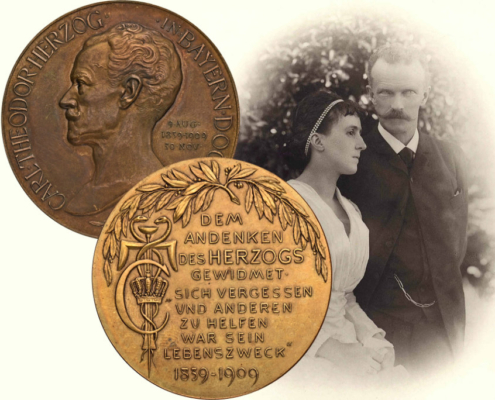
Lucie Loechel2024-10-17 10:51:292024-10-17 15:10:28Carl Theodor in Bavaria: The Old Nobility Takes Up a New Role
https://new.coinsweekly.com/wp-content/uploads/2024/10/2024KW42HA1_00.jpg
684
860
Lucie Loechel
https://new.coinsweekly.com/wp-content/uploads/2023/01/logo-coinsweekly_590x204.png
Lucie Loechel2024-10-17 10:51:292024-10-17 15:10:28Carl Theodor in Bavaria: The Old Nobility Takes Up a New Role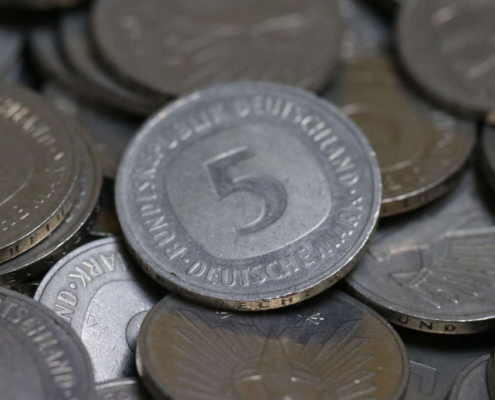 https://new.coinsweekly.com/wp-content/uploads/2024/08/2024KW35HA_00.jpg
684
860
Sebastian Wieschowski
https://new.coinsweekly.com/wp-content/uploads/2023/01/logo-coinsweekly_590x204.png
Sebastian Wieschowski2024-08-29 08:00:232024-08-29 09:45:04Marks and Pfennigs in Your Inheritance: What Should Heirs Do with Old DM Coins?
https://new.coinsweekly.com/wp-content/uploads/2024/08/2024KW35HA_00.jpg
684
860
Sebastian Wieschowski
https://new.coinsweekly.com/wp-content/uploads/2023/01/logo-coinsweekly_590x204.png
Sebastian Wieschowski2024-08-29 08:00:232024-08-29 09:45:04Marks and Pfennigs in Your Inheritance: What Should Heirs Do with Old DM Coins?
Metcalf Lecturer 2023/4: Benjamin Hellings
The Archaeological Institute of America named Benjamin Hellings this year’s Metcalf Lecturer. He is Curator of Numismatics at the Yale University Art Gallery and Chair of the AIA Numismatics Interest Group.
Mark Cartwright is the New MDA Executive Director
The Chair of the Mint Directors Association has announced the appointment of Mark Cartwright as the Executive Director of MDA Ltd.