






Archive: People and Markets
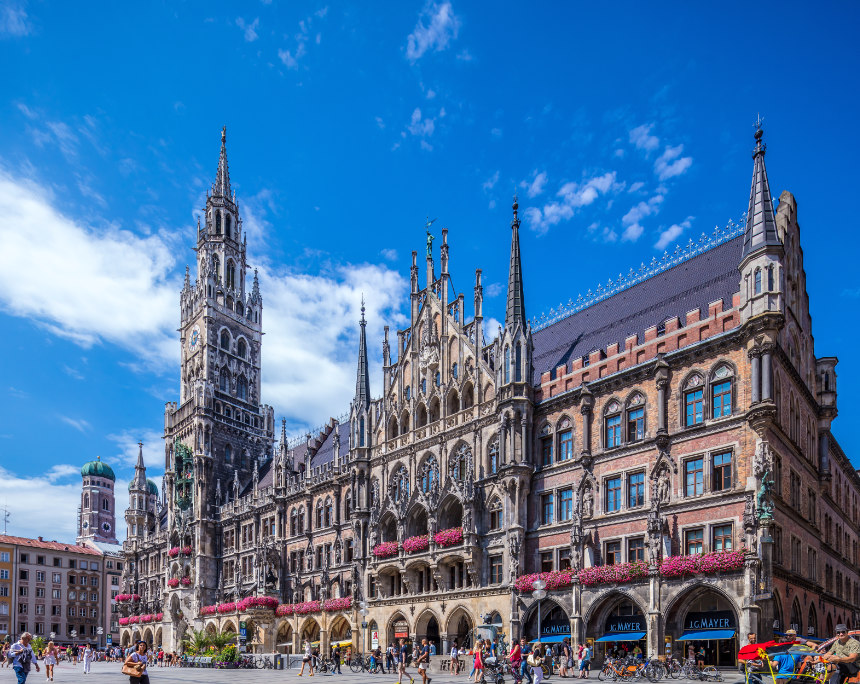
Heritage Auctions Opens German Office in Munich
Germany has a vibrant collector community. The US auction giant Heritage Auctions has also recognized this. It has opened a new office in Munich to offer German clients personalized support and access to a global audience for their collections.
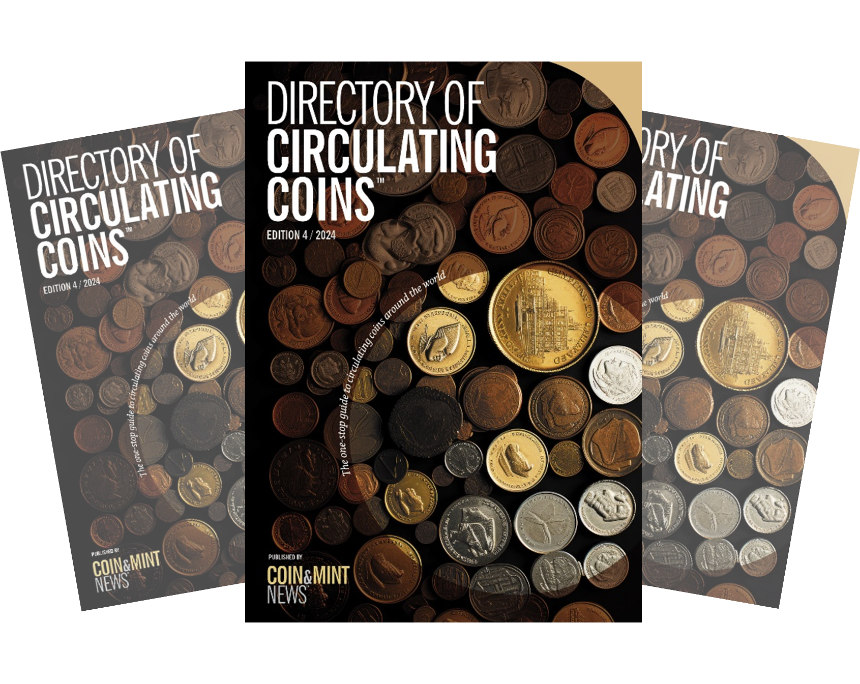
Directory of Circulating Coins – 4th Edition is Now Available
The fourth edition of the Directory of Circulating Coins has been published. Five years after the last edition, the useful reference book for current circulation coins is now up to date again.
Archive: Coins, Medals and more
 https://new.coinsweekly.com/wp-content/uploads/2024/05/2024KW19HA_00.jpg
684
860
Ursula Kampmann
https://new.coinsweekly.com/wp-content/uploads/2023/01/logo-coinsweekly_590x204.png
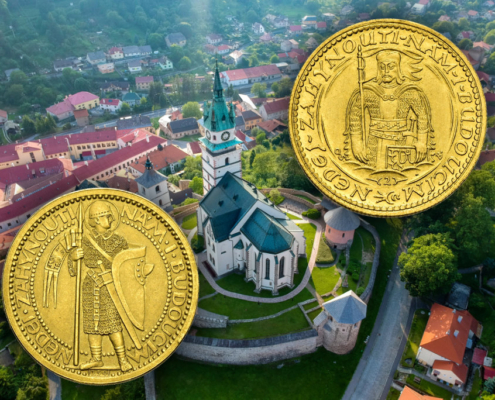
Ursula Kampmann2024-05-08 08:46:252024-05-08 08:46:25The First Years of Czechoslovak Coinage
https://new.coinsweekly.com/wp-content/uploads/2024/05/2024KW19HA_00.jpg
684
860
Ursula Kampmann
https://new.coinsweekly.com/wp-content/uploads/2023/01/logo-coinsweekly_590x204.png
Ursula Kampmann2024-05-08 08:46:252024-05-08 08:46:25The First Years of Czechoslovak Coinage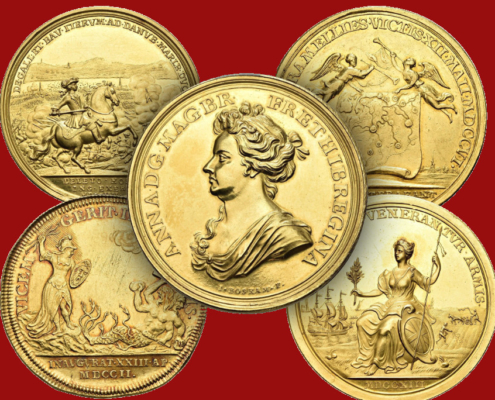 https://new.coinsweekly.com/wp-content/uploads/2025/05/2025KW19HA01_00.jpg
684
860
Lucie Loechel
https://new.coinsweekly.com/wp-content/uploads/2023/01/logo-coinsweekly_590x204.png
Lucie Loechel2025-05-08 10:15:222025-05-08 10:15:22Queen Anne: Great Britain on Its Way to Becoming a Global Power
https://new.coinsweekly.com/wp-content/uploads/2025/05/2025KW19HA01_00.jpg
684
860
Lucie Loechel
https://new.coinsweekly.com/wp-content/uploads/2023/01/logo-coinsweekly_590x204.png
Lucie Loechel2025-05-08 10:15:222025-05-08 10:15:22Queen Anne: Great Britain on Its Way to Becoming a Global Power
Royal Canadian Mint Reports Profits and Performance for 2022
The Royal Canadian Mint published their financial results for 2022. As expected they remained below 2021 levels.
The Economy Museum St. Louis Fed
Learn about the economy and currency in a fun and interactive way. Compete to make the most money in a simulated trading pit game. The Economy Museum at the St. Louis Fed offers over 100 games, exhibits, currency displays and videos. Read what expect you there.