








Archive: People and Markets
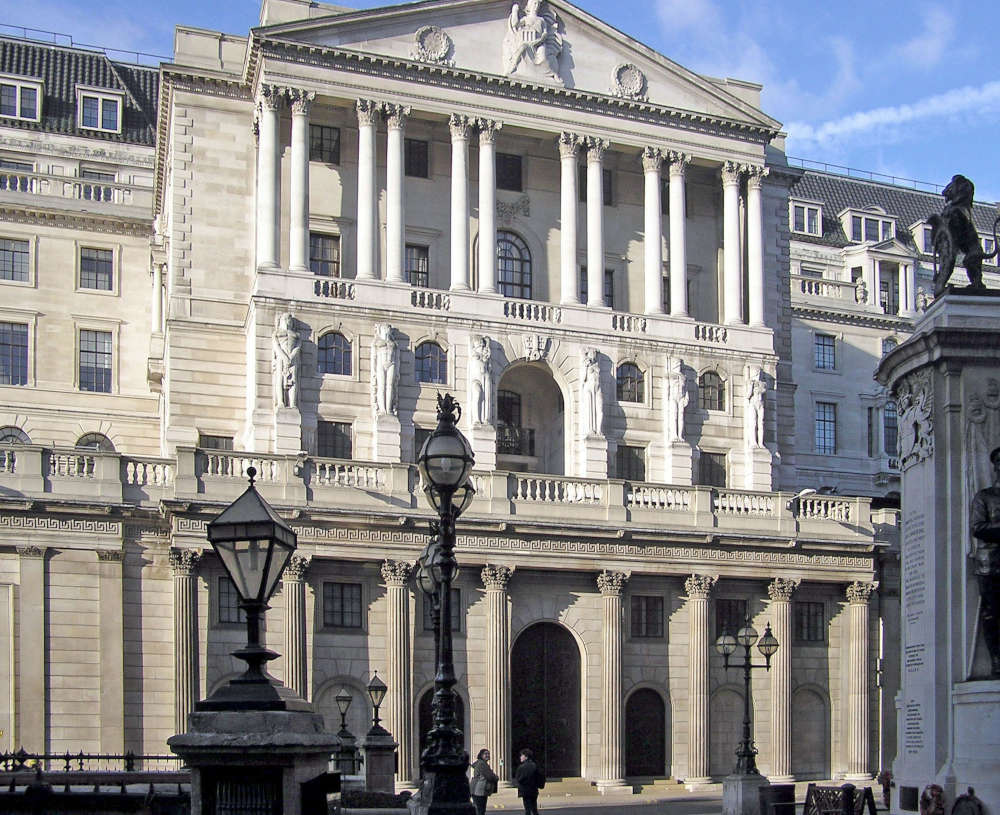
Inclusive Numismatics Conference
This conference at the Bank of England is a space where women, people of colour, those from the LGBTQ+ community and anyone who has not yet found the right forum for their passion can feel included. Proposals for papers are still accepted.
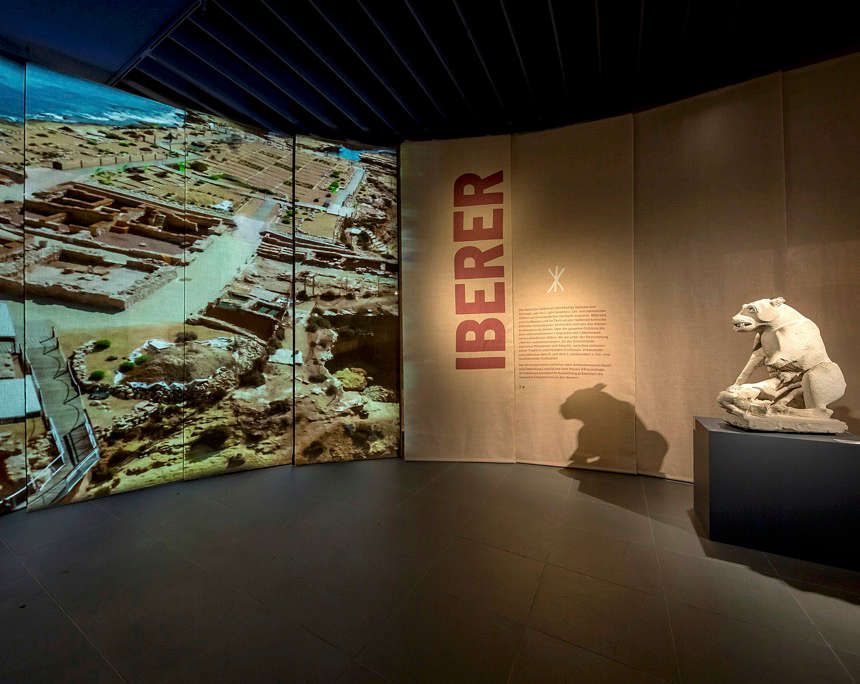
Major Exhibition on the Iberians in Basel
A major exhibition on the Iberian peoples is currently on display at the Antikenmuseum Basel. In cooperation with the Museu d’Arqueologia de Catalunya, over 260 important exhibits from the European Iron Age are on display.
Archive: Coins, Medals and more
 https://new.coinsweekly.com/wp-content/uploads/2025/01/2025KW05HA01_00.jpg
684
860
Lucie Loechel
https://new.coinsweekly.com/wp-content/uploads/2023/01/logo-coinsweekly_590x204.png
Lucie Loechel2025-01-29 10:30:092025-01-30 07:13:21Record! South African Rarity Leaves All Previous Top Prices Far Behind
https://new.coinsweekly.com/wp-content/uploads/2025/01/2025KW05HA01_00.jpg
684
860
Lucie Loechel
https://new.coinsweekly.com/wp-content/uploads/2023/01/logo-coinsweekly_590x204.png
Lucie Loechel2025-01-29 10:30:092025-01-30 07:13:21Record! South African Rarity Leaves All Previous Top Prices Far Behind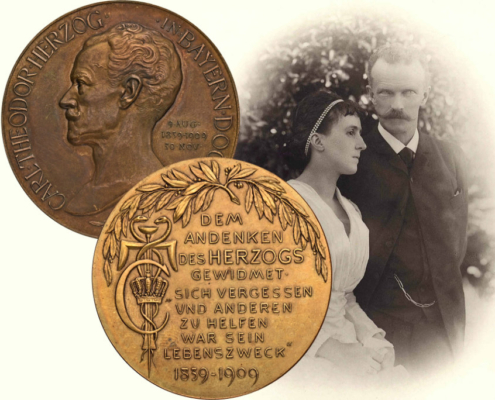 https://new.coinsweekly.com/wp-content/uploads/2024/10/2024KW42HA1_00.jpg
684
860
Lucie Loechel
https://new.coinsweekly.com/wp-content/uploads/2023/01/logo-coinsweekly_590x204.png
Lucie Loechel2024-10-17 10:51:292024-10-17 15:10:28Carl Theodor in Bavaria: The Old Nobility Takes Up a New Role
https://new.coinsweekly.com/wp-content/uploads/2024/10/2024KW42HA1_00.jpg
684
860
Lucie Loechel
https://new.coinsweekly.com/wp-content/uploads/2023/01/logo-coinsweekly_590x204.png
Lucie Loechel2024-10-17 10:51:292024-10-17 15:10:28Carl Theodor in Bavaria: The Old Nobility Takes Up a New Role
London Museum Receives Roman Artefacts and £20 Million
The London Museum receives generous support. Bloomberg Philanthropies is providing not only £20 million, but also more than 14,000 Roman artifacts that were unearthed prior to the construction of its London headquarters in the heart of the city – at the site where the Temple of Mithras once stood.
Imperial Impressions – New Exhibition at the Kunsthistorisches Museum in Vienna
A new temporary exhibition at the Kunsthistorisches Museum Vienna is exploring medals as a form of art and a tool of courtly representation for the House of Habsburg. The focus is also on the court medalists.