







Archive: People and Markets
Highly Rare in Circulation: 2-Euro Commemorative Coins from San Marino
San Marino’s circulation coins are rare – even in the small Republic itself. And San Marino also issued just a few 2-euro commemorative coins. A real challenge for collectors. Fortunately, numiscontrol has some tips.

A-Mark Precious Metals Acquires Stack’s Bowers Galleries
One of the largest auctioneers in the numismatic world has a new owner. Stack’s Bowers Galleries, including its parent company, entered into a definitive merger agreement to be acquired by A-Mark Precious Metals.
Archive: Coins, Medals and more
 https://new.coinsweekly.com/wp-content/uploads/2024/10/2024KW40HA2_00.jpg
684
860
Bruno
https://new.coinsweekly.com/wp-content/uploads/2023/01/logo-coinsweekly_590x204.png
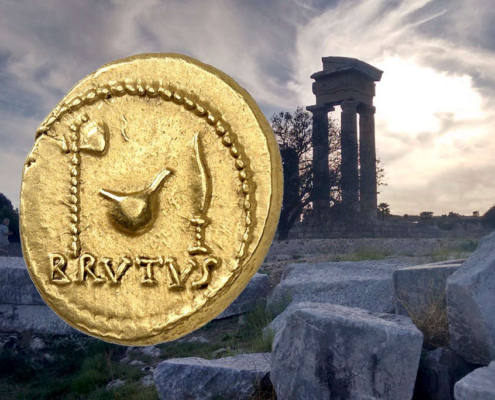
Bruno2024-10-02 13:24:392024-10-15 09:16:49Gold from Rhodes for the Battle for Rome
https://new.coinsweekly.com/wp-content/uploads/2024/10/2024KW40HA2_00.jpg
684
860
Bruno
https://new.coinsweekly.com/wp-content/uploads/2023/01/logo-coinsweekly_590x204.png
Bruno2024-10-02 13:24:392024-10-15 09:16:49Gold from Rhodes for the Battle for Rome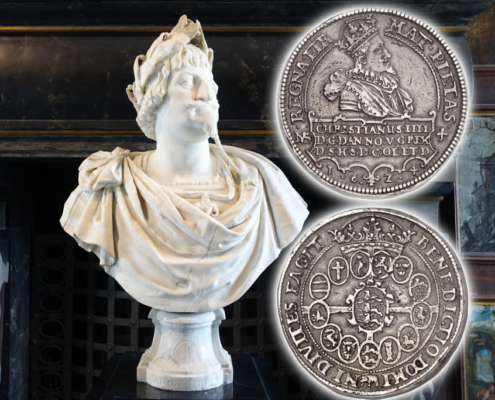 https://new.coinsweekly.com/wp-content/uploads/2024/06/2024KW24HA_00.jpg
684
860
Ursula Kampmann
https://new.coinsweekly.com/wp-content/uploads/2023/01/logo-coinsweekly_590x204.png
Ursula Kampmann2024-06-13 10:48:452024-06-13 11:10:58400 Years Ago – The Founding of Kongsberg
https://new.coinsweekly.com/wp-content/uploads/2024/06/2024KW24HA_00.jpg
684
860
Ursula Kampmann
https://new.coinsweekly.com/wp-content/uploads/2023/01/logo-coinsweekly_590x204.png
Ursula Kampmann2024-06-13 10:48:452024-06-13 11:10:58400 Years Ago – The Founding of Kongsberg
Ivana Brlić-Mažuranić: The Woman Who Gave Croatia Its Fairy Tales
Ivana Brlić-Mažuranić is one of the authors that every Croatian is familiar with because they grew up listening to her fairy tales. Now the Croatian National Bank is issuing two collector coins to commemorate the 150th birthday of Ivana Brlić-Mažuranić.
A Well-Known Scam Strikes Again: Gold Coins Worth 280,000 Euros Gone
Using a well-known scam, a fraudster tricked a German senior citizen into handing over gold coins worth 280,000 euros. Find out how the scam works and how you can protect yourself and others.