







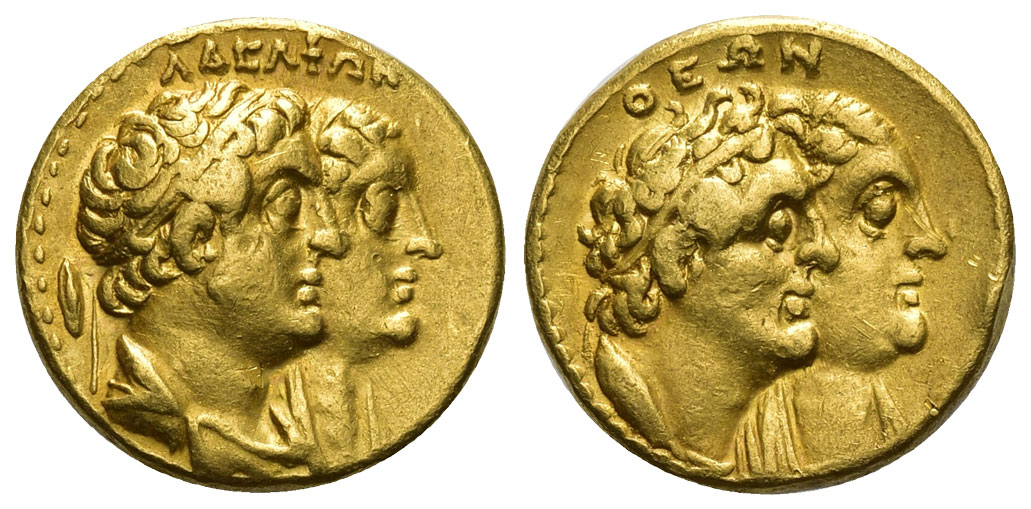
AV Tetradrachm (282–272 BC),
King Ptolemy II and Queen Arsinoe II.
From the major collection of Alexandria mint.
Condition: vf+
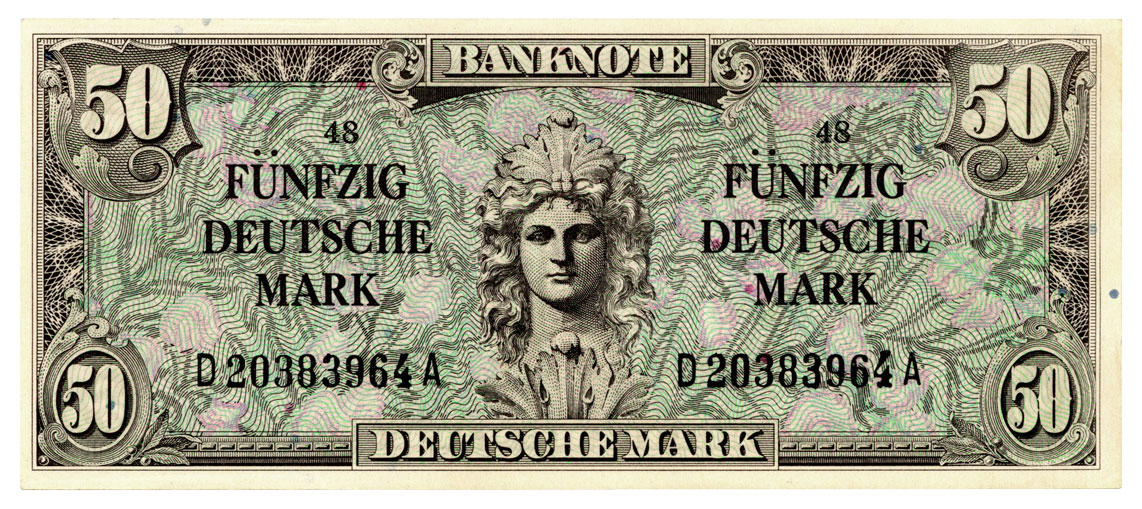
50 Deutsche Mark o.D. ( 1948-1949) "Liberty".
Condition: extremly rare, I
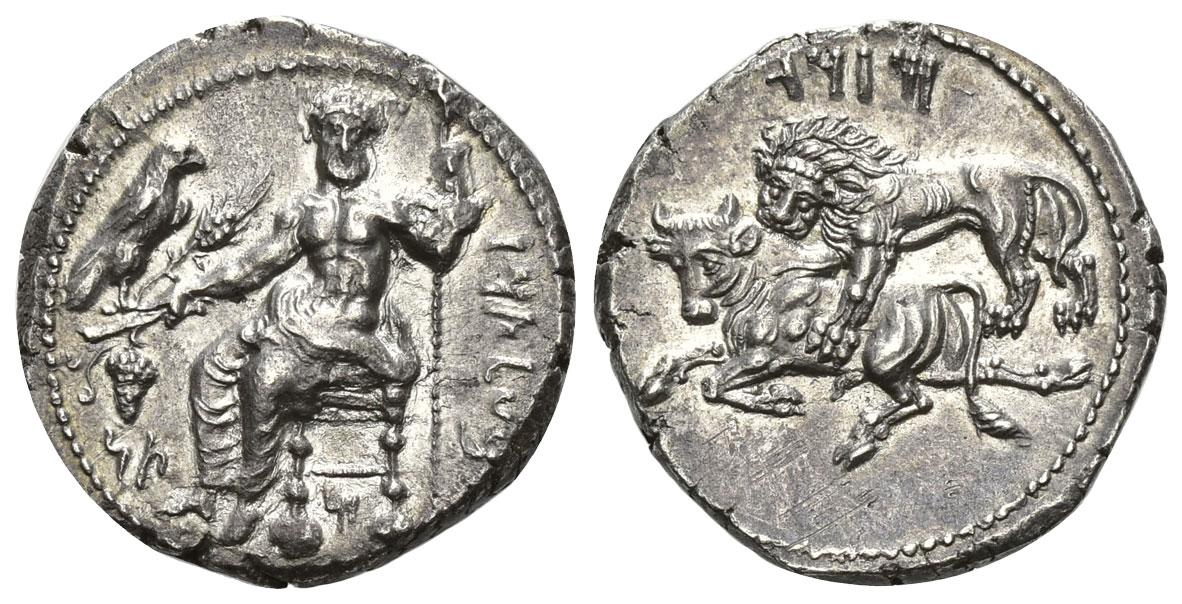
AR Stater (361-334 BC).
Obv. Baal of Tarsos.
Conditon: ef
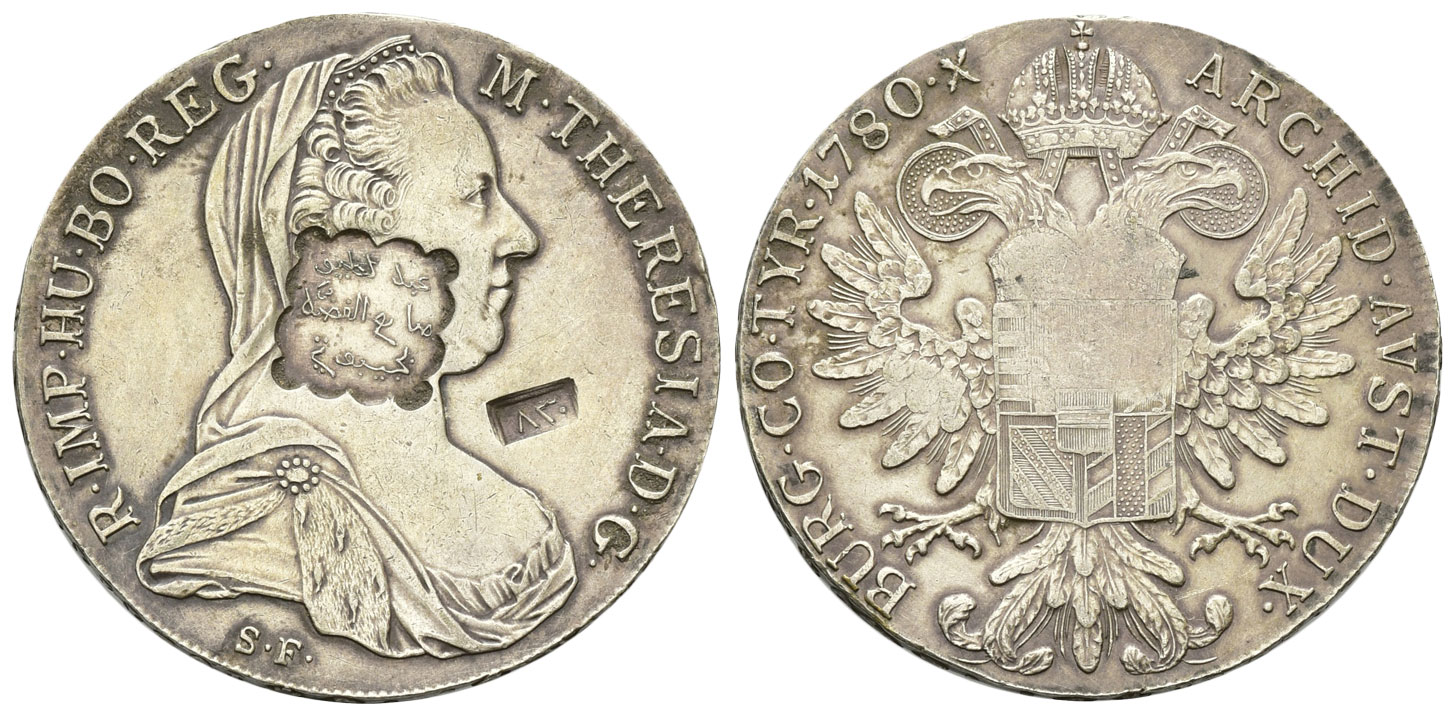
Taler 1780 SF
with counter stamp Djibouti (1870-1900).
Condition: vf
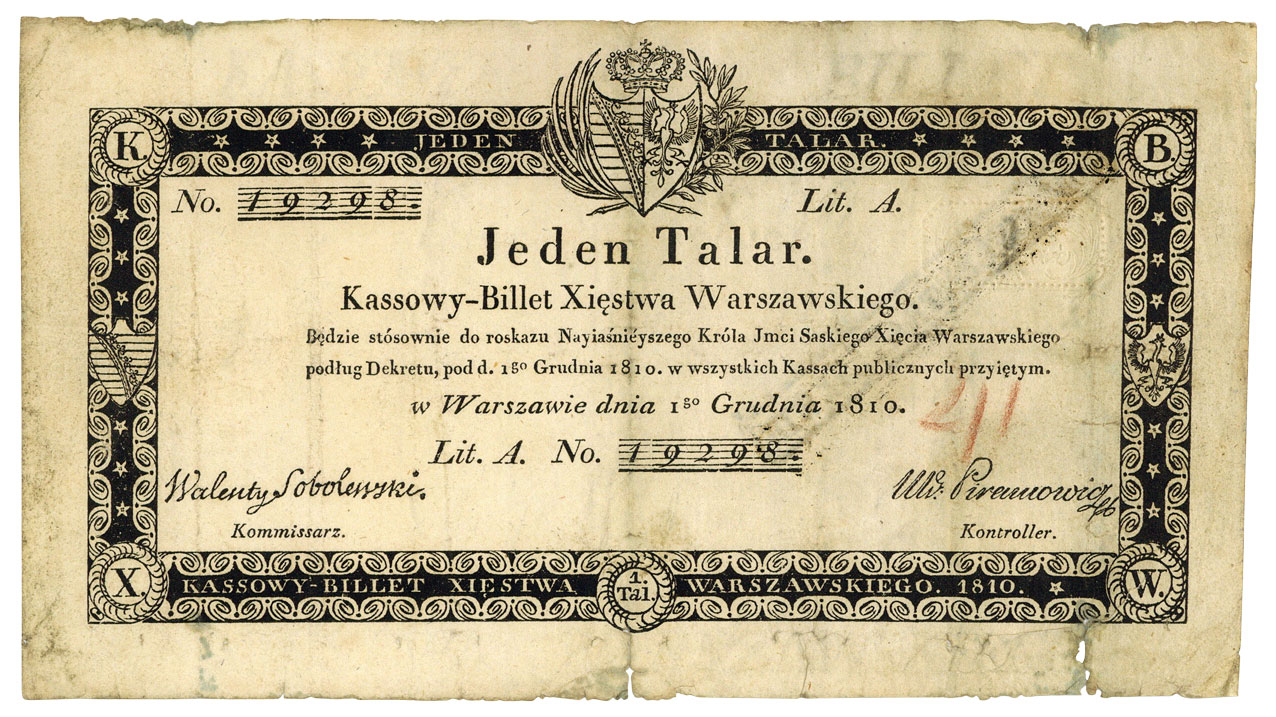
1 Talar 1. December 1810.
Condition: III-IV
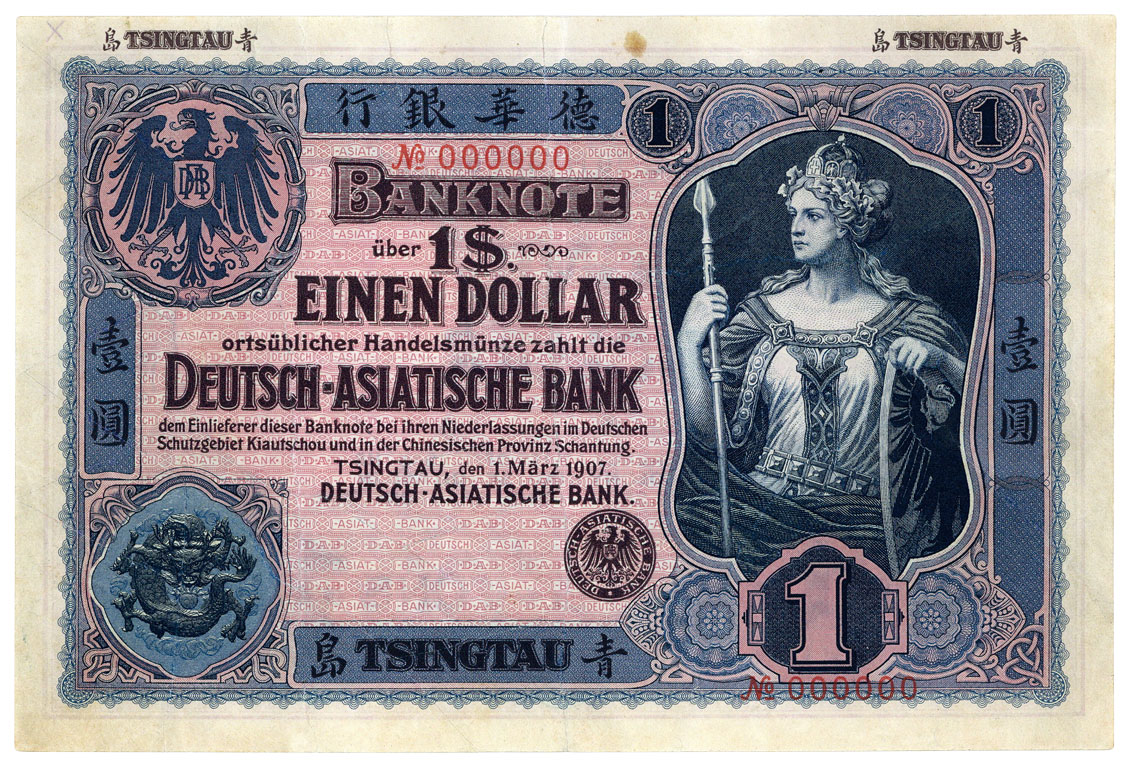
1 Dollar 1.3.1907, Tsingtao.
Condition: very rare, restored
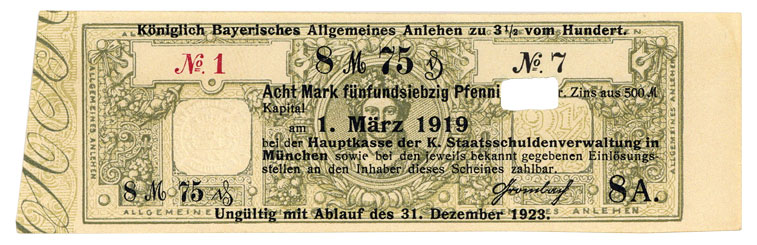
Royal Bavarian General Loan.
8.75 Marks, March 1, 1919.
Condition: rare, I
Archive: People and Markets
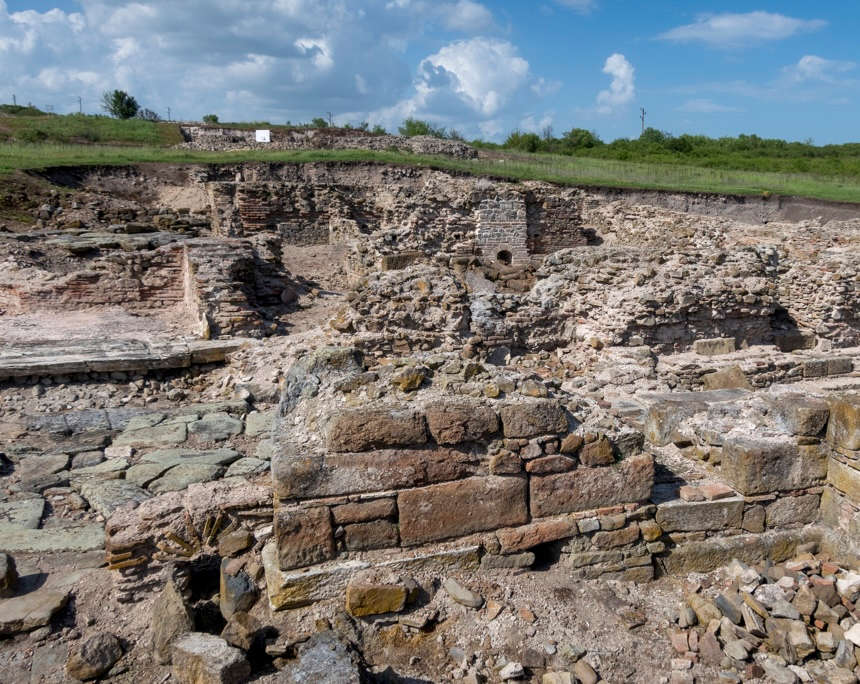
The Second Sofia Numismatic School
Students who wish to deepen their knowledge of ancient numismatics can now apply for the Sofia Numismatic School. It will take place in September 2025 at the Archaeological Research Base of the Roman Colony of Deultum (near Burgas).
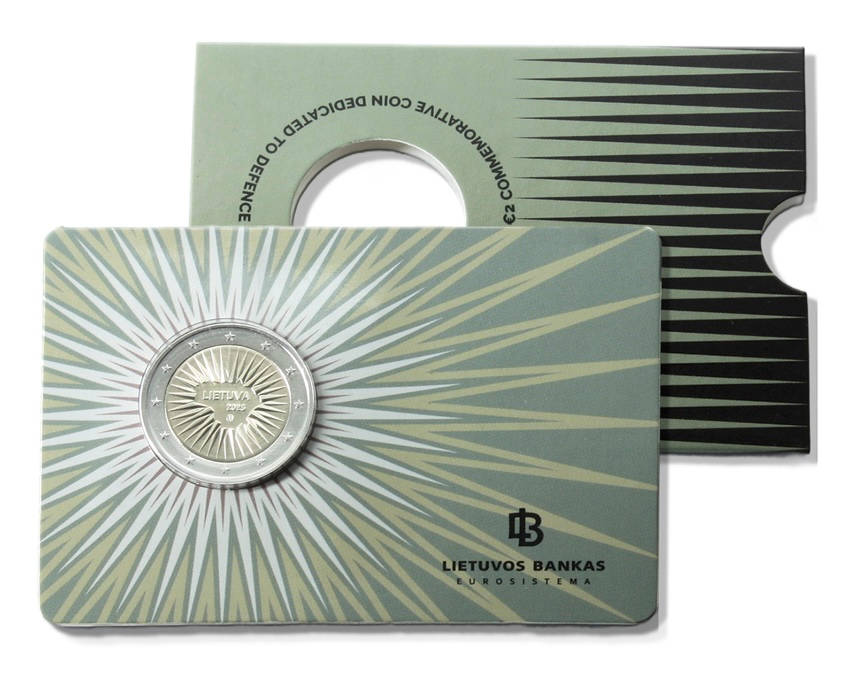
2-Euro Ticker: New €2 Coins in March 2025
Rumours about upcoming small-state euro issues are creating a buzz – and the collector year 2026 is already casting its numismatic shadow.
Archive: Coins, Medals and more
 https://new.coinsweekly.com/wp-content/uploads/2024/01/2024KW05HA_00.jpg
684
860
Ursula Kampmann
https://new.coinsweekly.com/wp-content/uploads/2023/01/logo-coinsweekly_590x204.png
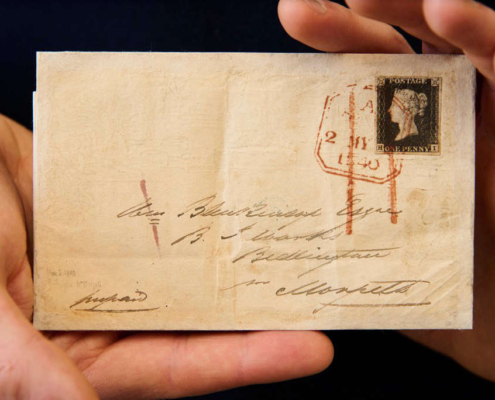
Ursula Kampmann2024-01-31 13:34:492024-01-31 13:34:49The First Piece of Mail Sent Using a Stamp to Be Offered at Sotheby’s
https://new.coinsweekly.com/wp-content/uploads/2024/01/2024KW05HA_00.jpg
684
860
Ursula Kampmann
https://new.coinsweekly.com/wp-content/uploads/2023/01/logo-coinsweekly_590x204.png
Ursula Kampmann2024-01-31 13:34:492024-01-31 13:34:49The First Piece of Mail Sent Using a Stamp to Be Offered at Sotheby’s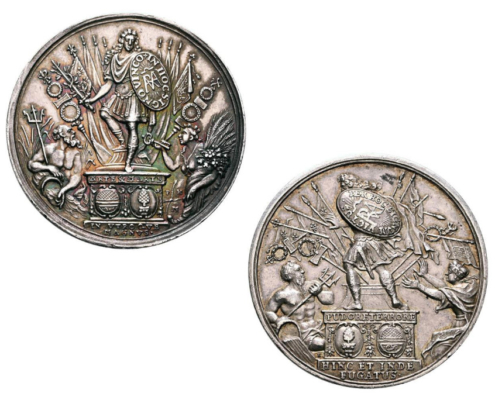 https://new.coinsweekly.com/wp-content/uploads/2025/05/2025KW20HA02_00.jpg
684
860
Lucie Loechel
https://new.coinsweekly.com/wp-content/uploads/2023/01/logo-coinsweekly_590x204.png
Lucie Loechel2025-05-15 10:14:562025-05-15 10:14:56Between Triumph and Tragedy – Maximilian II Emanuel, “The Prince of Bankrupts”
https://new.coinsweekly.com/wp-content/uploads/2025/05/2025KW20HA02_00.jpg
684
860
Lucie Loechel
https://new.coinsweekly.com/wp-content/uploads/2023/01/logo-coinsweekly_590x204.png
Lucie Loechel2025-05-15 10:14:562025-05-15 10:14:56Between Triumph and Tragedy – Maximilian II Emanuel, “The Prince of Bankrupts”
An EID MAR Denarius Set a Nordic Record
An EID MAR denarius was sold at Bruun Rasmussen establishing a record for the most expensive numismatic object ever sold at auction in the entire Nordic region according to the auction house.
New Euro Banknotes – It Will Be One of These Two Themes
It is intended that euro banknotes are redesigned every 10 to 15 years. This is a long process that already has been going on for a while. The search is currently on for a theme for the future designs. Two finalists have now been chosen.