






Archive: People and Markets
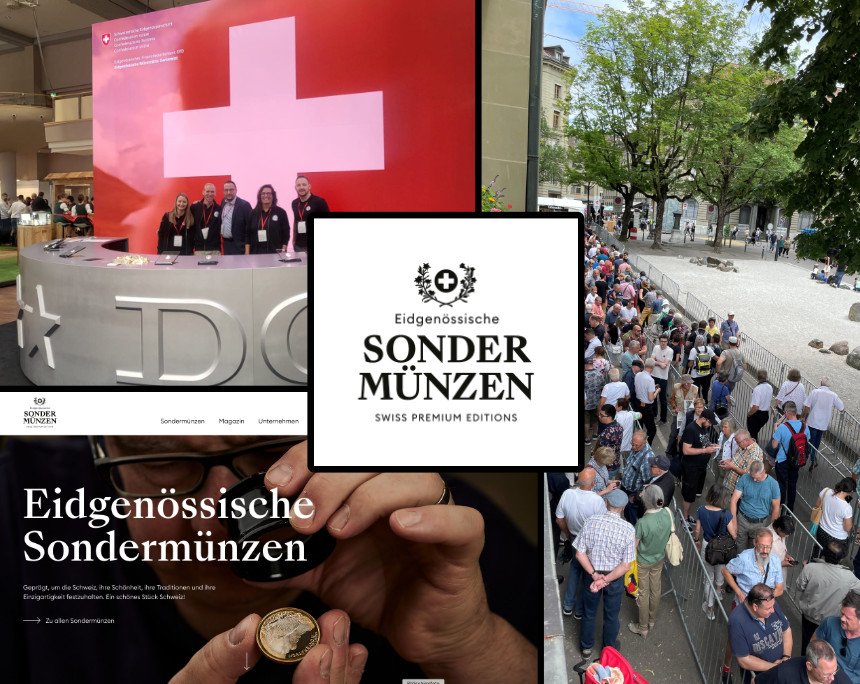
There’s a Lot Going on at Swissmint!
A new website, a new online shop, a new layout for its customer magazine – these are just some of the innovations Swissmint has in store for us. The mint has changed profoundly over the past two years. Ursula Kampmann explains how.

ANS Announces Recipient of Chairman’s Fellowship in Numismatic Research
The American Numismatic Society has chosen the inaugural recipient for the Chairman’s Fellowship for Numismatic Research. The fellowship will fund a dissertation research and a planned book project.
Archive: Coins, Medals and more
 https://new.coinsweekly.com/wp-content/uploads/2024/05/2024KW21HA_00.jpg
684
860
Ursula Kampmann
https://new.coinsweekly.com/wp-content/uploads/2023/01/logo-coinsweekly_590x204.png
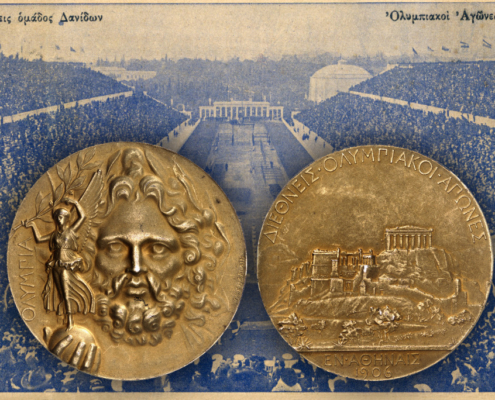
Ursula Kampmann2024-05-23 10:47:532024-05-23 11:04:37The Olympic Games That Are No Longer Recognized
https://new.coinsweekly.com/wp-content/uploads/2024/05/2024KW21HA_00.jpg
684
860
Ursula Kampmann
https://new.coinsweekly.com/wp-content/uploads/2023/01/logo-coinsweekly_590x204.png
Ursula Kampmann2024-05-23 10:47:532024-05-23 11:04:37The Olympic Games That Are No Longer Recognized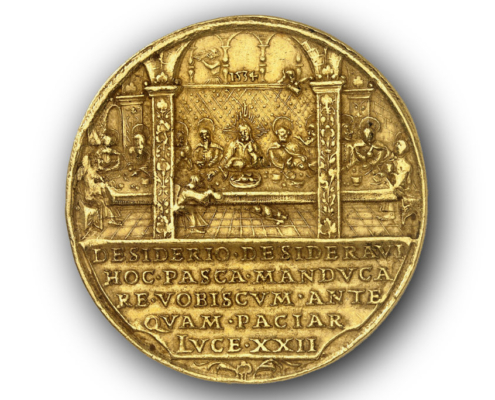 https://new.coinsweekly.com/wp-content/uploads/2025/01/2025KW02HA_00.jpg
684
860
Lucie Loechel
https://new.coinsweekly.com/wp-content/uploads/2023/01/logo-coinsweekly_590x204.png
Lucie Loechel2025-01-09 10:35:332025-01-09 14:45:59Joachimsthal and the Reformation
https://new.coinsweekly.com/wp-content/uploads/2025/01/2025KW02HA_00.jpg
684
860
Lucie Loechel
https://new.coinsweekly.com/wp-content/uploads/2023/01/logo-coinsweekly_590x204.png
Lucie Loechel2025-01-09 10:35:332025-01-09 14:45:59Joachimsthal and the Reformation
Metcalf Lecturer 2023/4: Benjamin Hellings
The Archaeological Institute of America named Benjamin Hellings this year’s Metcalf Lecturer. He is Curator of Numismatics at the Yale University Art Gallery and Chair of the AIA Numismatics Interest Group.
Two Robberies in Two Days – French Museums Targeted by Criminals
Last week, two museums in France were robbed. The museums were helpless in the face of the criminals’ ruthless brutality. Is it even possible to protect our cultural heritage in this day and age?