






Archive: People and Markets
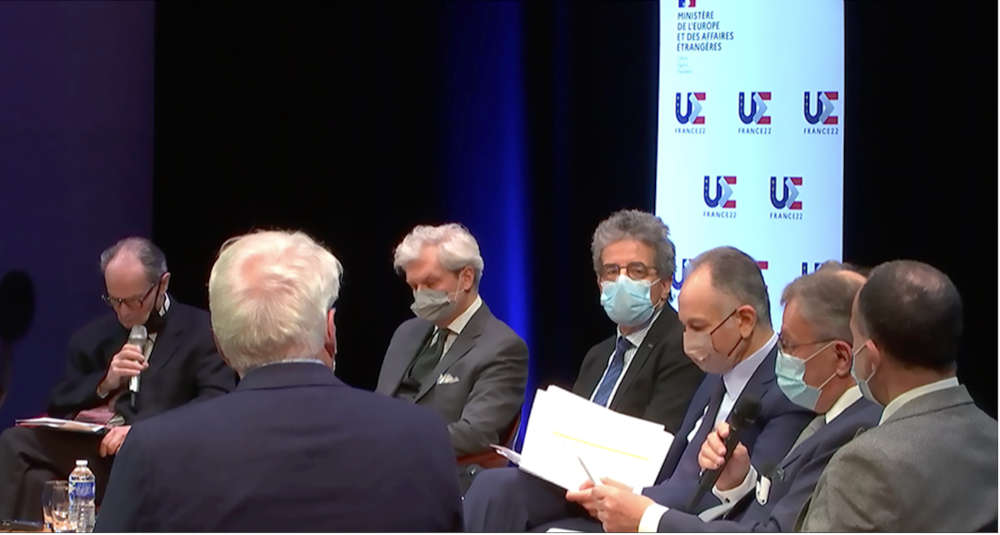
Defamatory Attack on IADAA And Its Officers – a Response
A French newspaper article claims IADAA chairman Vincent Geerling to be involved in trafficking antiquities. A close look reveals a distortion of facts – or how the journalist and the authorities simply ignored them. With consequences not only for the accused.
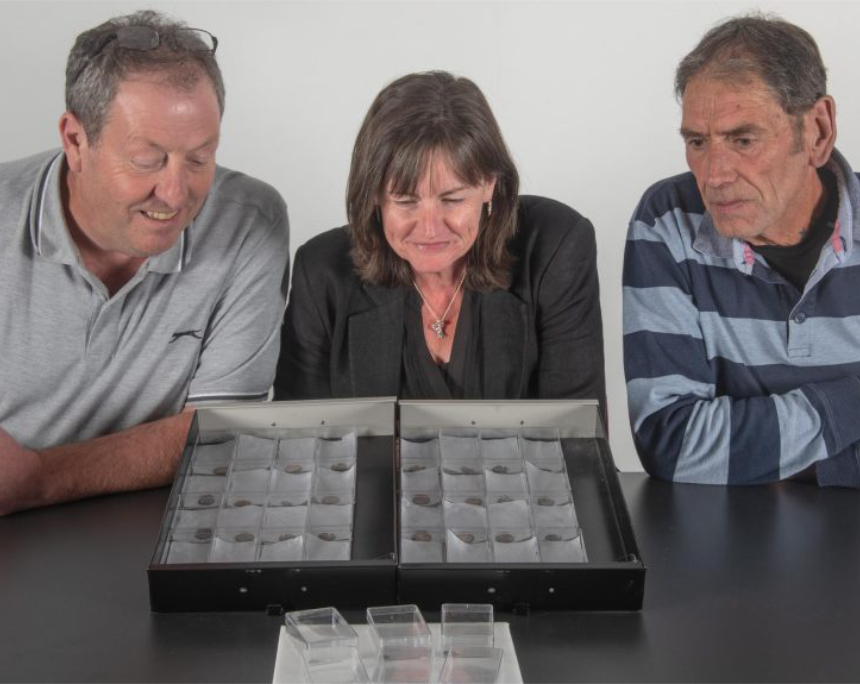
Hoard of Viking Coins Unearthed on the Isle of Man
The Isle of Man’s rich Viking legacy has been further enhanced by the discovery of the Island’s latest treasure hoard.
Archive: Coins, Medals and more
 https://new.coinsweekly.com/wp-content/uploads/2023/06/00_shutterstock_1926678794-Kopie.jpg
667
1000
Bruno
https://new.coinsweekly.com/wp-content/uploads/2023/01/logo-coinsweekly_590x204.png
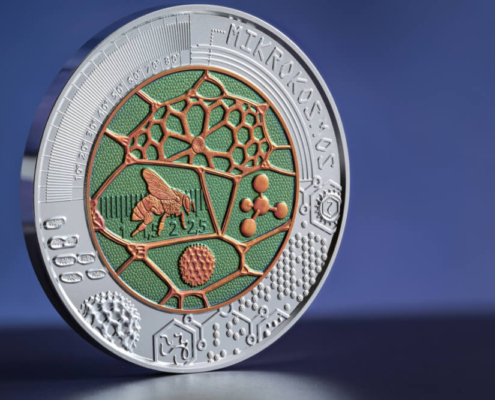
Bruno2022-06-13 11:36:162023-07-03 12:01:36Coloured Metal from Austria: Niobium Coins
https://new.coinsweekly.com/wp-content/uploads/2023/06/00_shutterstock_1926678794-Kopie.jpg
667
1000
Bruno
https://new.coinsweekly.com/wp-content/uploads/2023/01/logo-coinsweekly_590x204.png
Bruno2022-06-13 11:36:162023-07-03 12:01:36Coloured Metal from Austria: Niobium Coins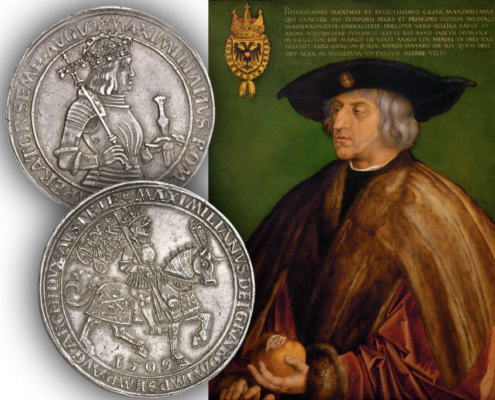 https://new.coinsweekly.com/wp-content/uploads/2025/05/2025KW22HA01_00.jpg
684
860
Lucie Loechel
https://new.coinsweekly.com/wp-content/uploads/2023/01/logo-coinsweekly_590x204.png
Lucie Loechel2025-05-28 10:29:402025-05-28 10:29:40Maximilian: The Last Knight and / or a Bankrupt
https://new.coinsweekly.com/wp-content/uploads/2025/05/2025KW22HA01_00.jpg
684
860
Lucie Loechel
https://new.coinsweekly.com/wp-content/uploads/2023/01/logo-coinsweekly_590x204.png
Lucie Loechel2025-05-28 10:29:402025-05-28 10:29:40Maximilian: The Last Knight and / or a Bankrupt
69th ANS Summer Seminar 2025 – Open for Applications
The American Numismatic Society has announced the dates of its Summer Seminar 2025. With the support of this year’s visiting scholar, Professor John Ma, the eight-week program will offer lectures and workshops on numismatic methods, theories, and history.
CIT’s Underwater Fantasy – Mermaids
The more we learn about the underwater world, its colorful, bizarrely shaped creatures and the sunken testaments to mankind, the more it captures our imagination and inspires our dreams. CIT translated this feeling into a numismatic shape. From a technical point of view, the application of enamel reproducing underwater visuals is highly remarkable.