






Archive: People and Markets
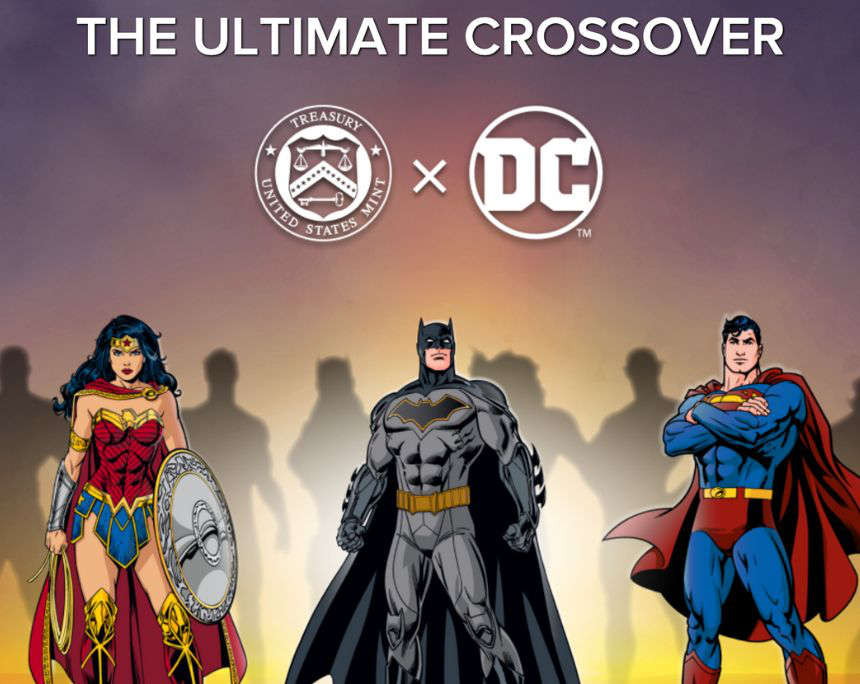
When Coins meet Comics: United States Mint and Warner Bros. Join Forces
The Historic modern culture partnership is a first of its kind for the United States Mint. Collectors are invited to vote for their favorite superheroes that will be appearing on US coins soon.
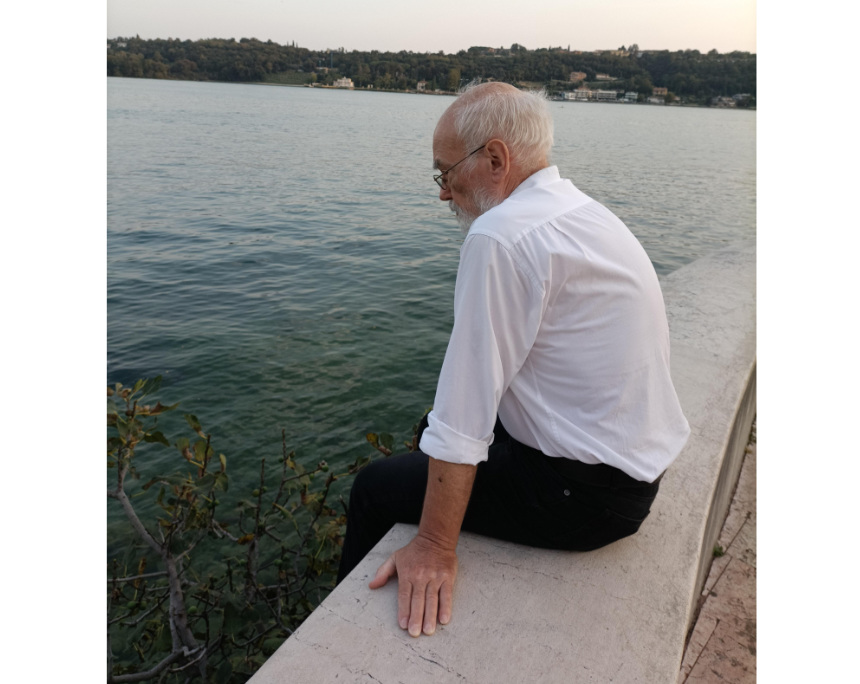
Joachim Stollhoff (18.7.1948-2.11.2024)
Claire Franklin-Werz also wrote an extensive obituary for her long-time friend and mentor Joachim Stollhoff.
Archive: Coins, Medals and more
 https://new.coinsweekly.com/wp-content/uploads/2024/06/2024KW26HA_00.jpg
684
860
Ursula Kampmann
https://new.coinsweekly.com/wp-content/uploads/2023/01/logo-coinsweekly_590x204.png
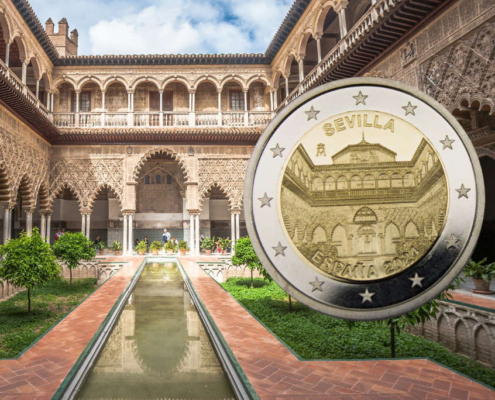
Ursula Kampmann2024-06-27 08:00:492024-06-27 09:39:25The Secret of the Success of State Quarters, UNESCO Coins and Federal State Series
https://new.coinsweekly.com/wp-content/uploads/2024/06/2024KW26HA_00.jpg
684
860
Ursula Kampmann
https://new.coinsweekly.com/wp-content/uploads/2023/01/logo-coinsweekly_590x204.png
Ursula Kampmann2024-06-27 08:00:492024-06-27 09:39:25The Secret of the Success of State Quarters, UNESCO Coins and Federal State Series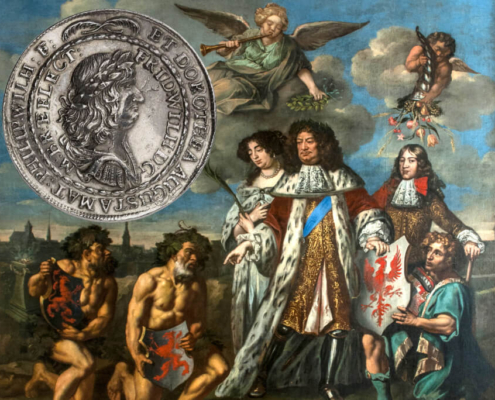 https://new.coinsweekly.com/wp-content/uploads/2023/12/2023KW51HA_00.jpg
684
860
Ursula Kampmann
https://new.coinsweekly.com/wp-content/uploads/2023/01/logo-coinsweekly_590x204.png
Ursula Kampmann2023-12-21 09:39:422023-12-21 09:51:29The Great Elector, Taxes and the Rise of Prussia
https://new.coinsweekly.com/wp-content/uploads/2023/12/2023KW51HA_00.jpg
684
860
Ursula Kampmann
https://new.coinsweekly.com/wp-content/uploads/2023/01/logo-coinsweekly_590x204.png
Ursula Kampmann2023-12-21 09:39:422023-12-21 09:51:29The Great Elector, Taxes and the Rise of Prussia
Can the British Museum Recover Their Lost Items?
Around 2,000 un-inventoried objects from the Greek-Roman collection of the British Museum were stolen. The museum recently announced the deployment of a task force and recovery program, but will these measures be enough to see the return of the lost objects?
Lars O. Lagerqvist (1929-2023)
Lars O. Lagerqvist, former director of the Royal Coin Cabinet in Stockholm and FIDEM Honorary President, passed away. He was one of the most important Swedish numismatists and a renowned expert for medals. Marie-Astrid Voisin Pelsdonk remembers her mentor and friend.