






Archive: People and Markets
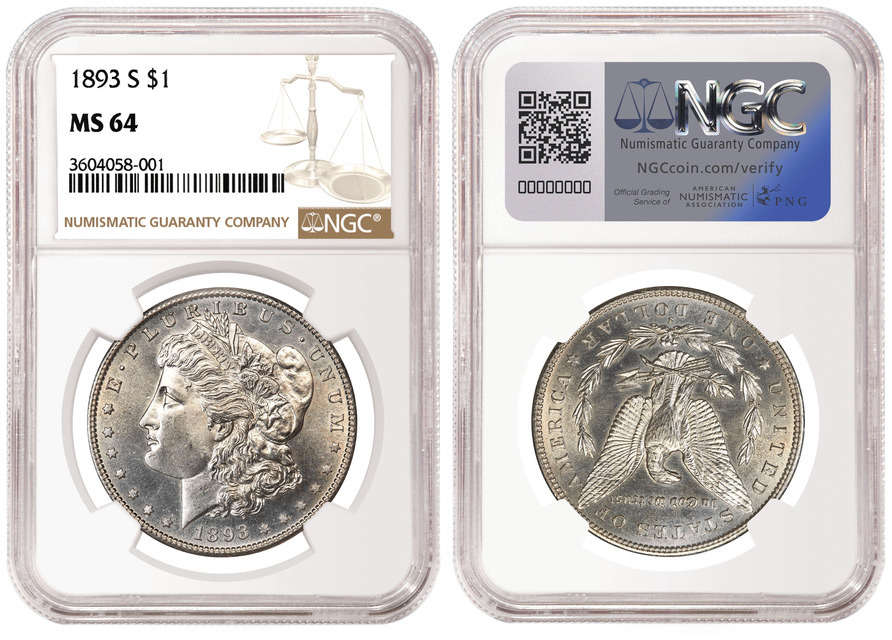
NGC introduces New High-Security Hologram with QR Codes
NGC is introducing a new high-security hologram as part of its efforts to combat counterfeiting of certifications. Among the hologram enhancements are a QR code and a numerical security code that are unique to the specific encapsulated collectible, making it extremely difficult for counterfeiters to replicate or tamper with the NGC holder.

Coin Dealers Targeted by Organized Crime Groups Following Coin Show Attendances
The Numismatic Crime Information Center warns that coin dealers in the USA are being targeted by organized crime, especially after attending coin shows.
Archive: Coins, Medals and more
 https://new.coinsweekly.com/wp-content/uploads/2023/06/2023KW23HA00.jpg
500
1000
Bruno
https://new.coinsweekly.com/wp-content/uploads/2023/01/logo-coinsweekly_590x204.png
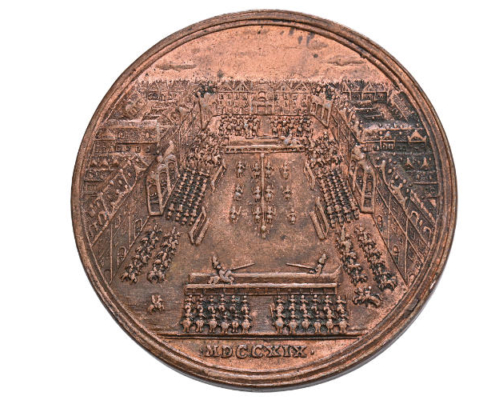
Bruno2023-06-07 10:29:512023-06-27 11:22:29The Wedding of a Century in Saxony
https://new.coinsweekly.com/wp-content/uploads/2023/06/2023KW23HA00.jpg
500
1000
Bruno
https://new.coinsweekly.com/wp-content/uploads/2023/01/logo-coinsweekly_590x204.png
Bruno2023-06-07 10:29:512023-06-27 11:22:29The Wedding of a Century in Saxony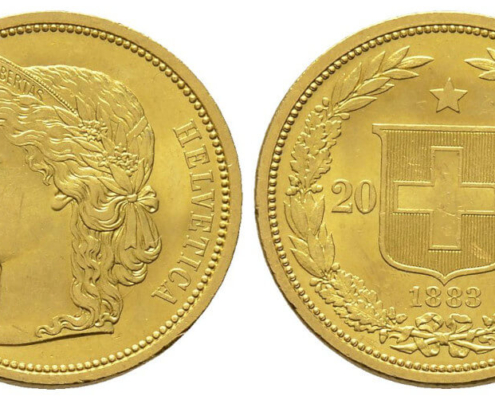 https://new.coinsweekly.com/wp-content/uploads/2023/06/00_CH-1883-20Fr.jpg
502
1000
Bruno
https://new.coinsweekly.com/wp-content/uploads/2023/01/logo-coinsweekly_590x204.png
Bruno2022-06-13 14:16:552023-06-29 11:02:58The Vreneli – A Swiss Icon
https://new.coinsweekly.com/wp-content/uploads/2023/06/00_CH-1883-20Fr.jpg
502
1000
Bruno
https://new.coinsweekly.com/wp-content/uploads/2023/01/logo-coinsweekly_590x204.png
Bruno2022-06-13 14:16:552023-06-29 11:02:58The Vreneli – A Swiss Icon
Pop Culture & Coins Unite! The National Coin Week 2025
What do Homer Simpson, the Olympic games, Elvis Presley, and Superman have in common? They’ve all been featured, or will soon be featured, on coins. This year’s annual National Coin Week, April 20-26, 2025, explores the fascinating ways pop culture influences money.
CIT’s Daydreamer – Adventure
CIT’s “Daydreamer” coins pull aside the curtain between worlds. In 2022, a man looked to the future, in the second issue a little boy looks to the past. The love of escaping the world in a daydream with state-of-the-art smartminting® technology.