






Archive: People and Markets
How the Certified Collectibles Group Takes Action Against Fraudsters
The Certified Collectibles Group (CCG) aggressively pursues bad actors who seek to defraud them and the collecting community. CEO Steven R. Eichenbaum reports on the fight and provides examples.

Heimerle + Meule Group becomes HM Precious Metals
Following a number of major acquisitions in recent months, the Heimerle + Meule Group is now adapting its name – not least to make it easier to pronounce internationally.
Archive: Coins, Medals and more
 https://new.coinsweekly.com/wp-content/uploads/2023/08/2023KW34HA_00.jpg
684
860
Bruno
https://new.coinsweekly.com/wp-content/uploads/2023/01/logo-coinsweekly_590x204.png
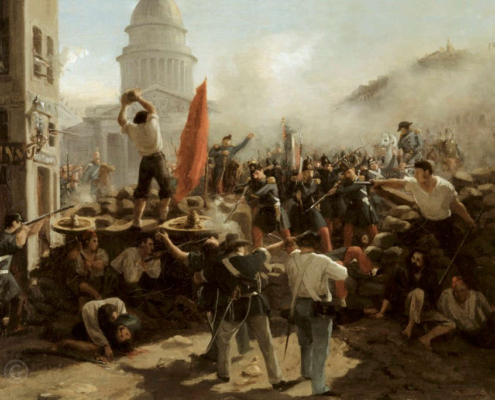
Bruno2023-08-23 10:16:152023-08-23 10:16:15French History in Coins – Part 2: From the Second Republic to the Second Empire
https://new.coinsweekly.com/wp-content/uploads/2023/08/2023KW34HA_00.jpg
684
860
Bruno
https://new.coinsweekly.com/wp-content/uploads/2023/01/logo-coinsweekly_590x204.png
Bruno2023-08-23 10:16:152023-08-23 10:16:15French History in Coins – Part 2: From the Second Republic to the Second Empire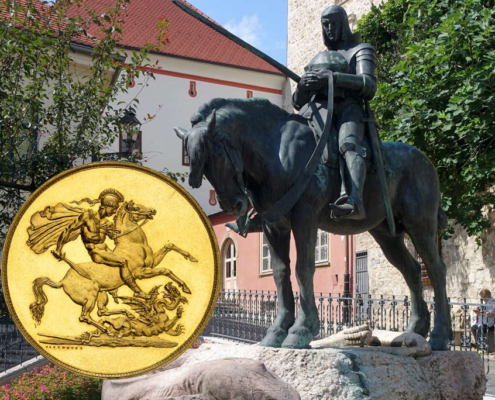 https://new.coinsweekly.com/wp-content/uploads/2024/01/2023KW03HA_00.jpg
684
860
Ursula Kampmann
https://new.coinsweekly.com/wp-content/uploads/2023/01/logo-coinsweekly_590x204.png
Ursula Kampmann2024-01-18 08:00:542024-01-18 10:35:27Why Are There So Many Coins Depicting Saint George?
https://new.coinsweekly.com/wp-content/uploads/2024/01/2023KW03HA_00.jpg
684
860
Ursula Kampmann
https://new.coinsweekly.com/wp-content/uploads/2023/01/logo-coinsweekly_590x204.png
Ursula Kampmann2024-01-18 08:00:542024-01-18 10:35:27Why Are There So Many Coins Depicting Saint George?
How AI Is Transforming Numismatics
Can entire numismatic reference books be written by artificial intelligence? Are ChatGPT and similar technologies becoming competitors for news portals, specialist publishers, and PR agencies? What can AI truly achieve? We put it to the test.
Ulrich Werz (1964-2023)
The numismatist Ulrich Werz died on June 14, 2023. He was known for his work on coin finds and his studies on Roman countermarks. Claire Franklin remembers him.