






Archive: People and Markets
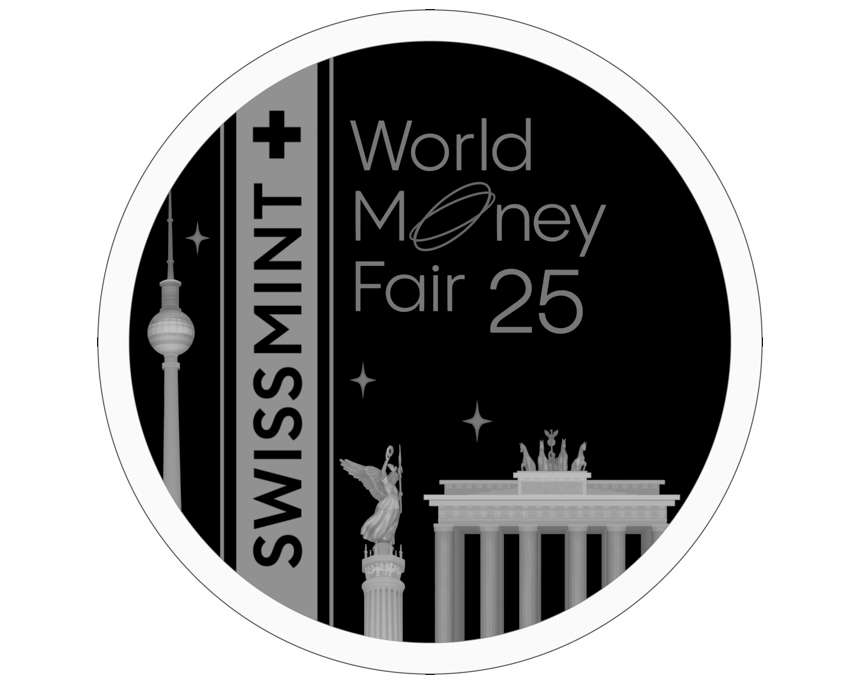
World Money Fair ‘Minting Experience Centre’: Minting up Close!
The organizers of the World Money Fair have come up with something special for the upcoming event. The new Minting Experience Center that spans over 100 square meters showcases the production steps involved in minting coins. Guests will even have the chance to mint their own World Money Fair collector’s medal.
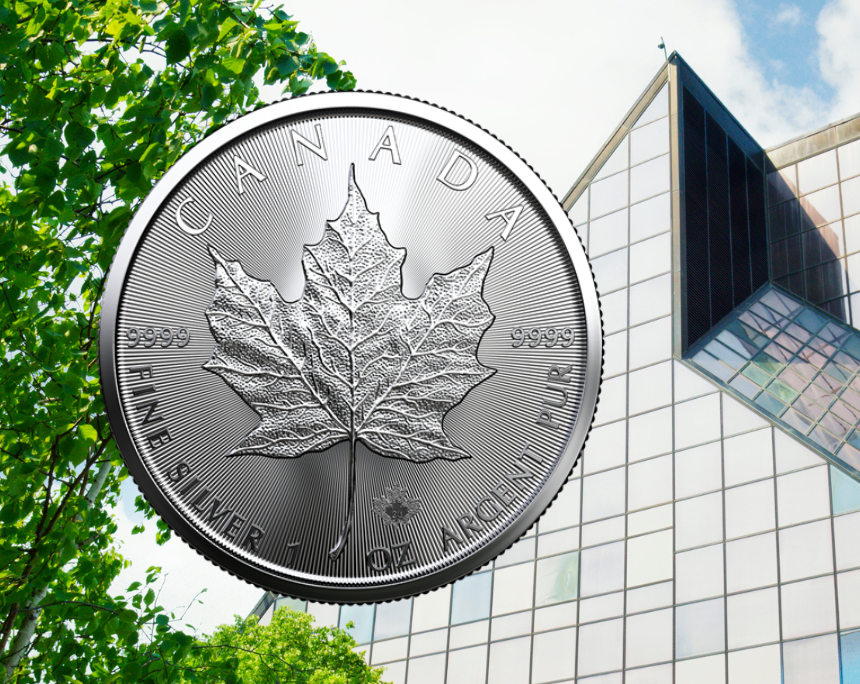
Royal Canadian Mint Reports First Quarter 2024 Financial Results
The Royal Canadian Mint has released its financial results for the year 2023 and the first quarter of 2024, offering insights into its activities, market influences, and expectations for the coming year.
Archive: Coins, Medals and more
 https://new.coinsweekly.com/wp-content/uploads/2023/06/2023KW23HA00.jpg
500
1000
Bruno
https://new.coinsweekly.com/wp-content/uploads/2023/01/logo-coinsweekly_590x204.png
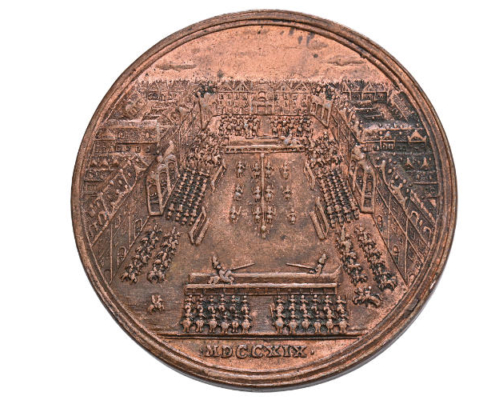
Bruno2023-06-07 10:29:512023-06-27 11:22:29The Wedding of a Century in Saxony
https://new.coinsweekly.com/wp-content/uploads/2023/06/2023KW23HA00.jpg
500
1000
Bruno
https://new.coinsweekly.com/wp-content/uploads/2023/01/logo-coinsweekly_590x204.png
Bruno2023-06-07 10:29:512023-06-27 11:22:29The Wedding of a Century in Saxony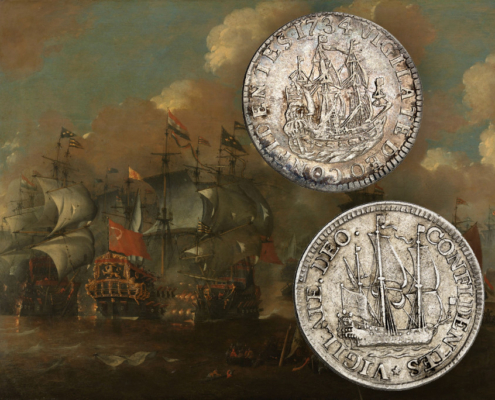 https://new.coinsweekly.com/wp-content/uploads/2024/09/2024KW38HA_00.jpg
684
860
Ursula Kampmann
https://new.coinsweekly.com/wp-content/uploads/2023/01/logo-coinsweekly_590x204.png
Ursula Kampmann2024-09-19 10:16:302024-09-19 11:07:49Bloody Flag and Scheepjesschelling
https://new.coinsweekly.com/wp-content/uploads/2024/09/2024KW38HA_00.jpg
684
860
Ursula Kampmann
https://new.coinsweekly.com/wp-content/uploads/2023/01/logo-coinsweekly_590x204.png
Ursula Kampmann2024-09-19 10:16:302024-09-19 11:07:49Bloody Flag and Scheepjesschelling
ANA World’s Fair of Money 2024: Waiting for the Election
The world’s largest coin show once again attracted collectors and dealers from around the globe. But for US numismatists, the show certainly was not business as usual – the eyes of the industry are on Washington.
Our Event Sites for the Coin Fairs in Basel and Munich
On the last weekend in February and the first weekend in March, two coin fairs took place that we didn’t want to miss: First the Basel Coin Fair, then the NUMISMATA in Munich. You can find our impressions of the fairs on two event sites.