







Archive: People and Markets
CoinsWeekly’s Numismatic Directory
CoinsWeekly is launching a new feature: CoinsWeekly’s Numismatic Directory presents all the places in the world that are of interest to coin enthusiasts. Use our Numismatic Directory and help us to turn it into a digital atlas of our numismatic world!
PMG Grading On-site Service at the HKINF
NGC Hong Kong will accept PMG on-site grading submissions and will offer free paper money evaluations at the Hong Kong International Numismatic Fair (HKINF), on December 11-13, 2023.
Archive: Coins, Medals and more
 https://new.coinsweekly.com/wp-content/uploads/2024/09/2024KW36HA_00.jpg
684
860
Lucie Loechel
https://new.coinsweekly.com/wp-content/uploads/2023/01/logo-coinsweekly_590x204.png
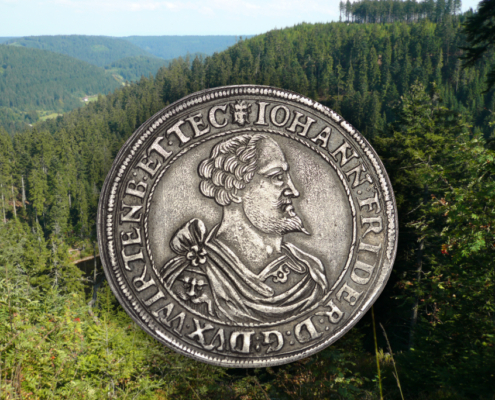
Lucie Loechel2024-09-05 10:46:502024-09-05 13:34:39Silver for Württemberg
https://new.coinsweekly.com/wp-content/uploads/2024/09/2024KW36HA_00.jpg
684
860
Lucie Loechel
https://new.coinsweekly.com/wp-content/uploads/2023/01/logo-coinsweekly_590x204.png
Lucie Loechel2024-09-05 10:46:502024-09-05 13:34:39Silver for Württemberg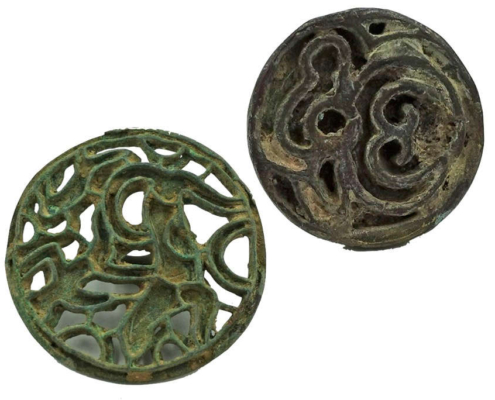 https://new.coinsweekly.com/wp-content/uploads/2024/02/2024KW06HA_00.jpg
684
860
Ursula Kampmann
https://new.coinsweekly.com/wp-content/uploads/2023/01/logo-coinsweekly_590x204.png
Ursula Kampmann2024-02-08 10:49:082024-02-08 13:52:53The St. Croix Collection of Baktrian Seals
https://new.coinsweekly.com/wp-content/uploads/2024/02/2024KW06HA_00.jpg
684
860
Ursula Kampmann
https://new.coinsweekly.com/wp-content/uploads/2023/01/logo-coinsweekly_590x204.png
Ursula Kampmann2024-02-08 10:49:082024-02-08 13:52:53The St. Croix Collection of Baktrian Seals
CIT’s Matterhorn – 2 Kilo Edition
If you have ever stood in front of the Matterhorn, you will never forget the sight. CIT created a striking tribute to the iconic mountain, reproduced to scale with an incredible relief of 14 mm.
Heimerle + Meule Group becomes HM Precious Metals
Following a number of major acquisitions in recent months, the Heimerle + Meule Group is now adapting its name – not least to make it easier to pronounce internationally.