






Archive: People and Markets
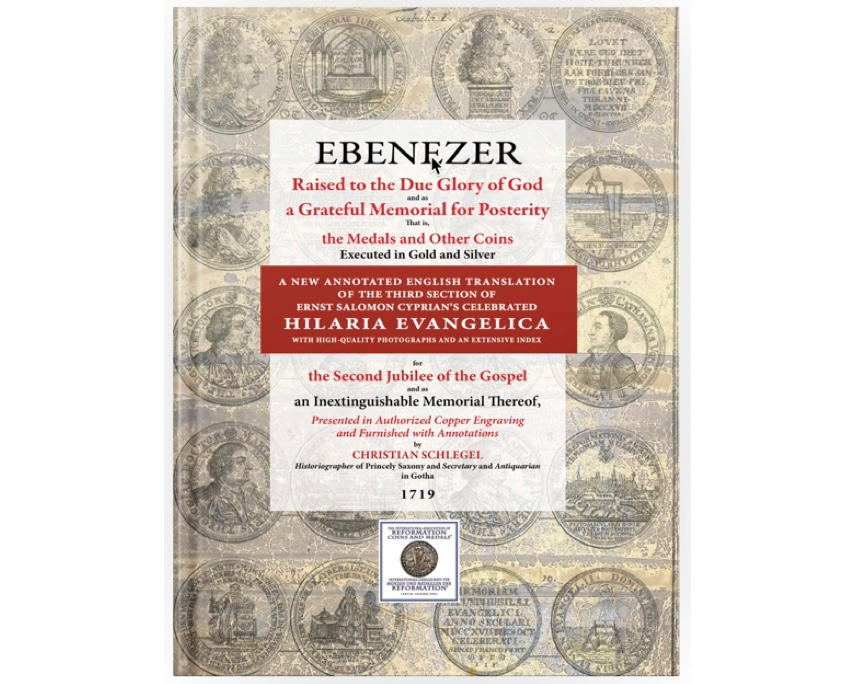
Reformation Coins and Medals: Annotated English Translation of “Ebenezer”
The International Association of Reformation Coins and Medals (IARCM) announced the publication of a significant numismatic resource: a comprehensive, annotated English translation of Christian Schlegel’s “Ebenezer,” the third section of Ernst Solomon Cyprian’s celebrated “Hilaria Evangelica,” first published in 1719.
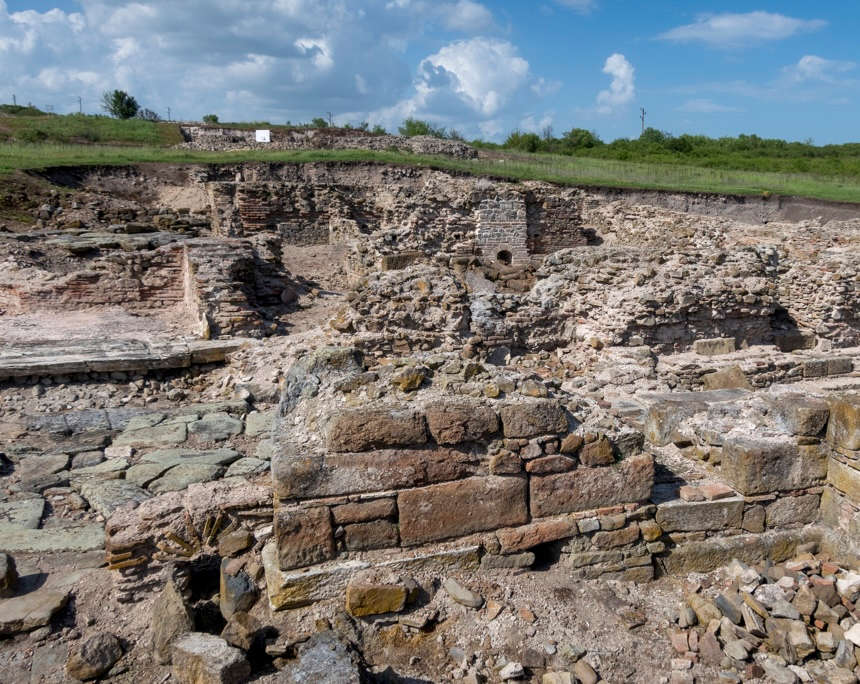
The Second Sofia Numismatic School
Students who wish to deepen their knowledge of ancient numismatics can now apply for the Sofia Numismatic School. It will take place in September 2025 at the Archaeological Research Base of the Roman Colony of Deultum (near Burgas).
Archive: Coins, Medals and more
 https://new.coinsweekly.com/wp-content/uploads/2025/05/2025KW22HA01_00.jpg
684
860
Lucie Loechel
https://new.coinsweekly.com/wp-content/uploads/2023/01/logo-coinsweekly_590x204.png
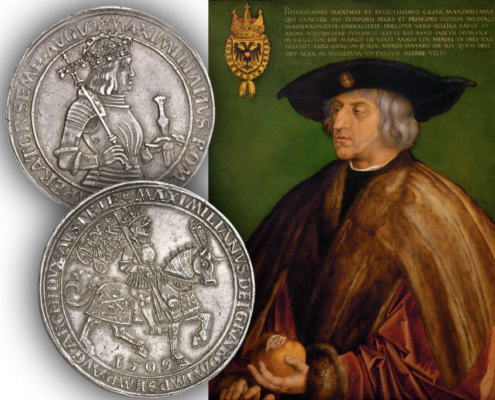
Lucie Loechel2025-05-28 10:29:402025-05-28 10:29:40Maximilian: The Last Knight and / or a Bankrupt
https://new.coinsweekly.com/wp-content/uploads/2025/05/2025KW22HA01_00.jpg
684
860
Lucie Loechel
https://new.coinsweekly.com/wp-content/uploads/2023/01/logo-coinsweekly_590x204.png
Lucie Loechel2025-05-28 10:29:402025-05-28 10:29:40Maximilian: The Last Knight and / or a Bankrupt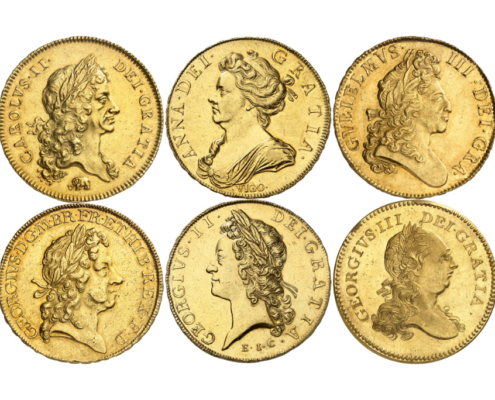 https://new.coinsweekly.com/wp-content/uploads/2024/11/2024KW48HA_00.jpg
684
860
Lucie Loechel
https://new.coinsweekly.com/wp-content/uploads/2023/01/logo-coinsweekly_590x204.png
Lucie Loechel2024-11-28 11:11:542024-11-28 11:42:25Royal Gold: England’s Five Guineas and the English Gold Currency
https://new.coinsweekly.com/wp-content/uploads/2024/11/2024KW48HA_00.jpg
684
860
Lucie Loechel
https://new.coinsweekly.com/wp-content/uploads/2023/01/logo-coinsweekly_590x204.png
Lucie Loechel2024-11-28 11:11:542024-11-28 11:42:25Royal Gold: England’s Five Guineas and the English Gold Currency
ACCG Requests Information About Closed Roundtable Regarding Extra-Legal MOU With Yemen
Following a closed roundtable, the US State Department signed an MOU criticized for being completed without input from the Cultural Property Advisory Committee or the opportunity for public comment. Die Ancient Coin Collectors Guild (ACCG) sees an effort to stifle debate and has submitted a Freedom of Information (FOIA) request to the State Department.
Our Who’s Who Is Here!
Our entire Who’s Who for numismatists and collectors is now available on our new website. This is another important step on our path towards transitioning from our old to the new site. And there is more!