






Archive: People and Markets
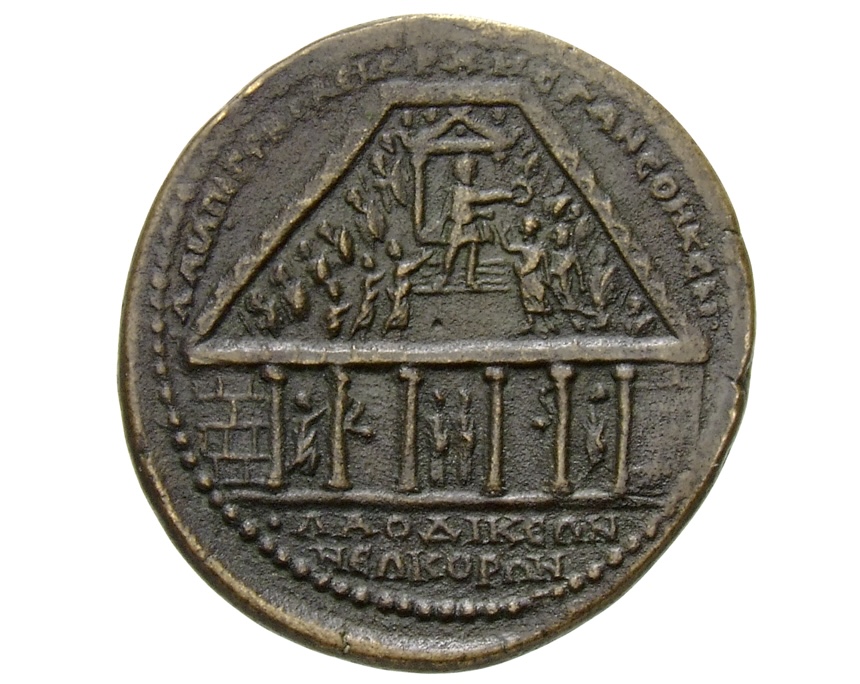
RPC Volumes V.2 and V.3 Now Available Online
The Roman Provincial Coinage project now published RPC volume V.2 and V.3 online. They cover all Roman provincial coinage issues from Pertinax to the death of Macrinus (AD 193-218) in all the Eastern provinces of the Roman Empire. This includes 11,000 type descriptions and over 45,000 coins from 317 cities!
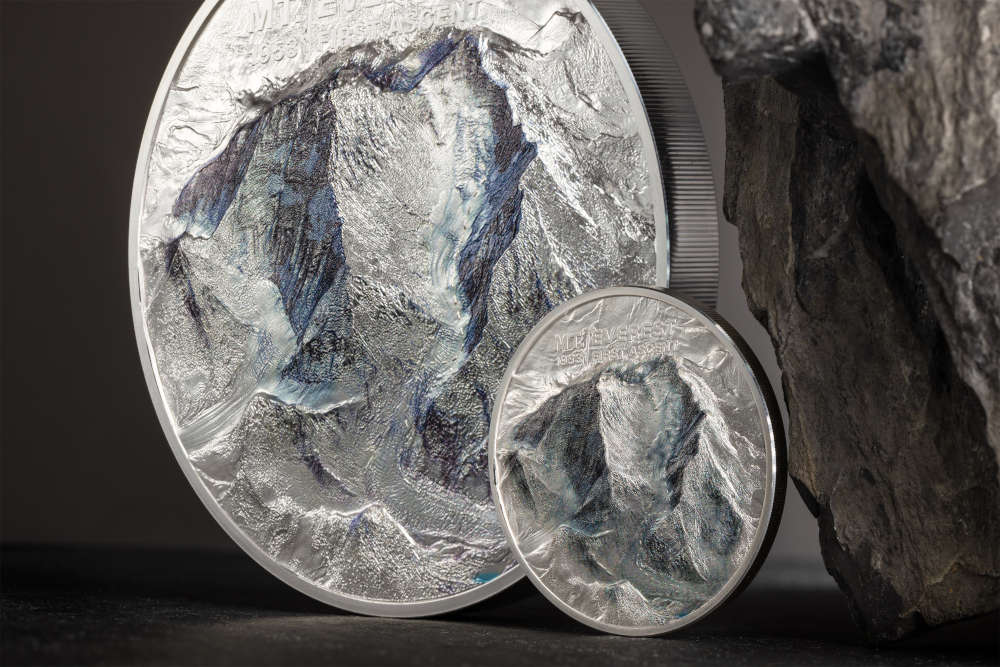
CIT’s Mt. Everest – First Ascent
70 years ago two mountaineers were the first men to reach the summit of Mount Everest. To commemorate this event, CIT has minted two silver coins with Ultra High Relief and further features.
Archive: Coins, Medals and more
 https://new.coinsweekly.com/wp-content/uploads/2025/02/2025KW07HA01_00.jpg
684
860
Lucie Loechel
https://new.coinsweekly.com/wp-content/uploads/2023/01/logo-coinsweekly_590x204.png
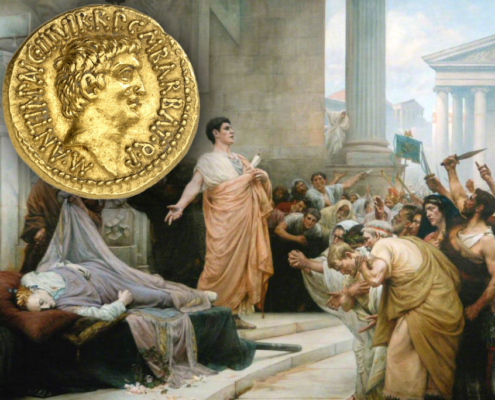
Lucie Loechel2025-02-13 09:44:362025-02-13 10:00:07Marcus Antonius: The Loser Who Did Not Write History
https://new.coinsweekly.com/wp-content/uploads/2025/02/2025KW07HA01_00.jpg
684
860
Lucie Loechel
https://new.coinsweekly.com/wp-content/uploads/2023/01/logo-coinsweekly_590x204.png
Lucie Loechel2025-02-13 09:44:362025-02-13 10:00:07Marcus Antonius: The Loser Who Did Not Write History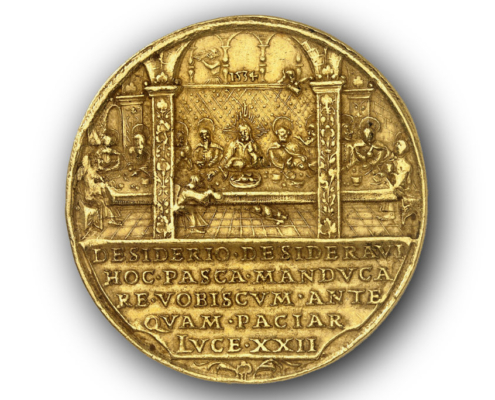 https://new.coinsweekly.com/wp-content/uploads/2025/01/2025KW02HA_00.jpg
684
860
Lucie Loechel
https://new.coinsweekly.com/wp-content/uploads/2023/01/logo-coinsweekly_590x204.png
Lucie Loechel2025-01-09 10:35:332025-01-09 14:45:59Joachimsthal and the Reformation
https://new.coinsweekly.com/wp-content/uploads/2025/01/2025KW02HA_00.jpg
684
860
Lucie Loechel
https://new.coinsweekly.com/wp-content/uploads/2023/01/logo-coinsweekly_590x204.png
Lucie Loechel2025-01-09 10:35:332025-01-09 14:45:59Joachimsthal and the Reformation
2023 American Medal of the Year Award
In 2023, the American Medal of the Year award goes to a medallist who paid tribute to Ukraine and its president. Two other medals were chosen as finalists.
The Silver Coinage of the Gupta Empire and Associated States in Western India: Analysis, Classification and Illustrated Catalogue
Authors Ian J. Todd and A.M. Fishman have published a new book on the silver coinage of the Gupta Empire and associated states in western India. Read their announcement here.