







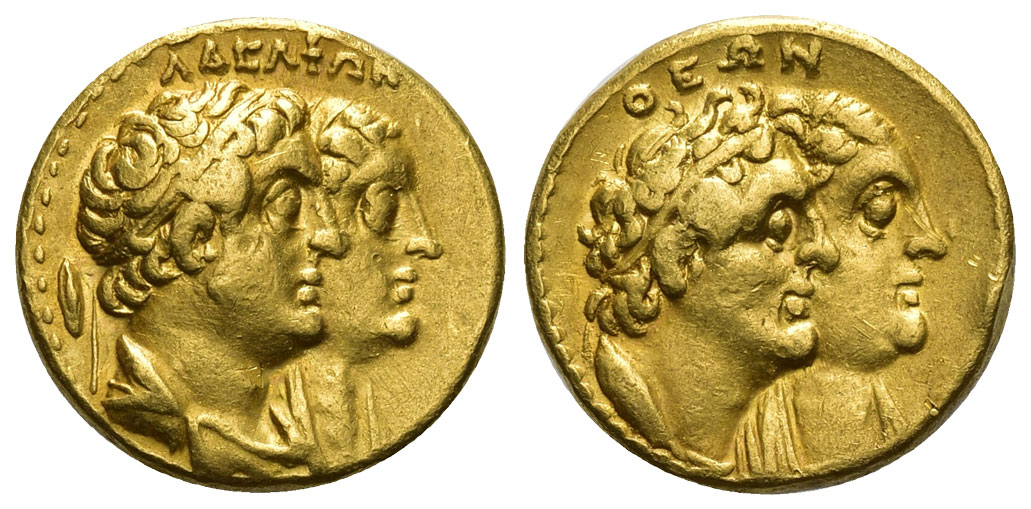
AV Tetradrachm (282–272 BC),
King Ptolemy II and Queen Arsinoe II.
From the major collection of Alexandria mint.
Condition: vf+
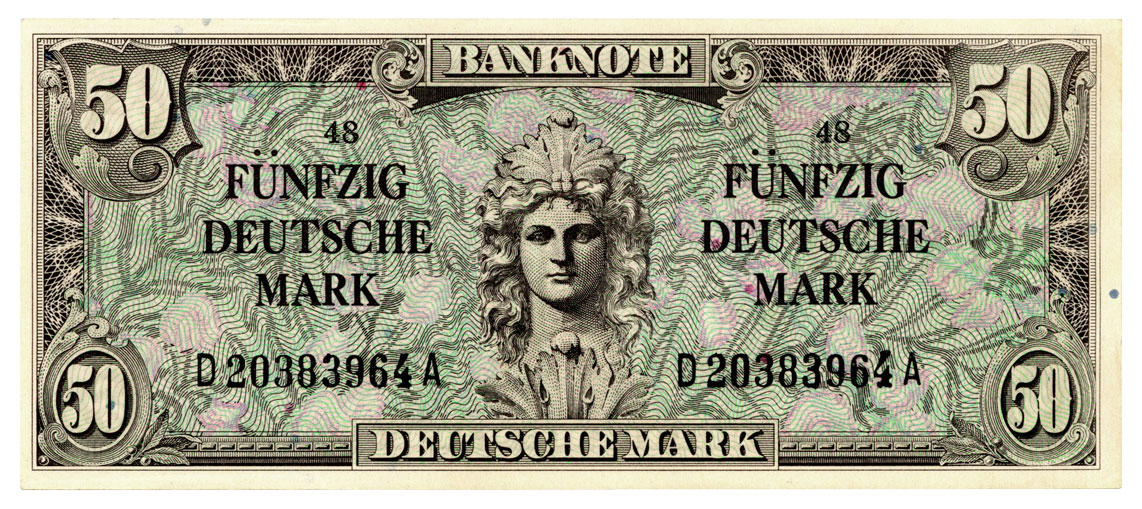
50 Deutsche Mark o.D. ( 1948-1949) "Liberty".
Condition: extremly rare, I
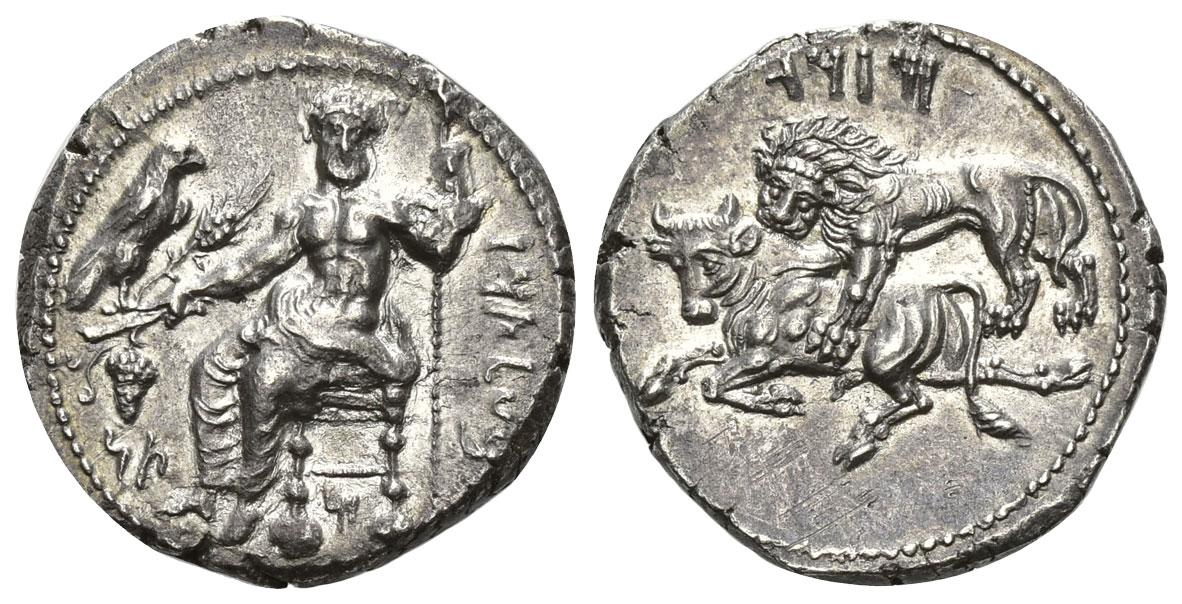
AR Stater (361-334 BC).
Obv. Baal of Tarsos.
Conditon: ef
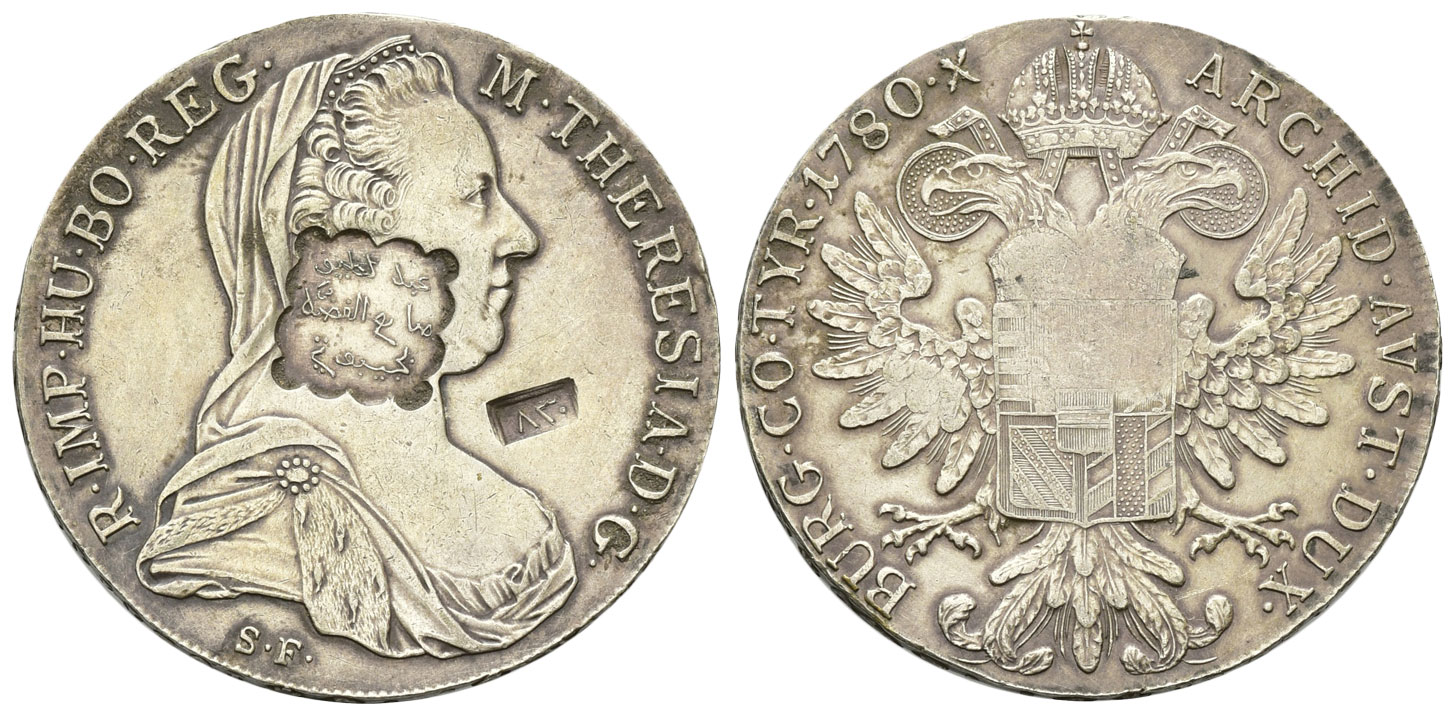
Taler 1780 SF
with counter stamp Djibouti (1870-1900).
Condition: vf
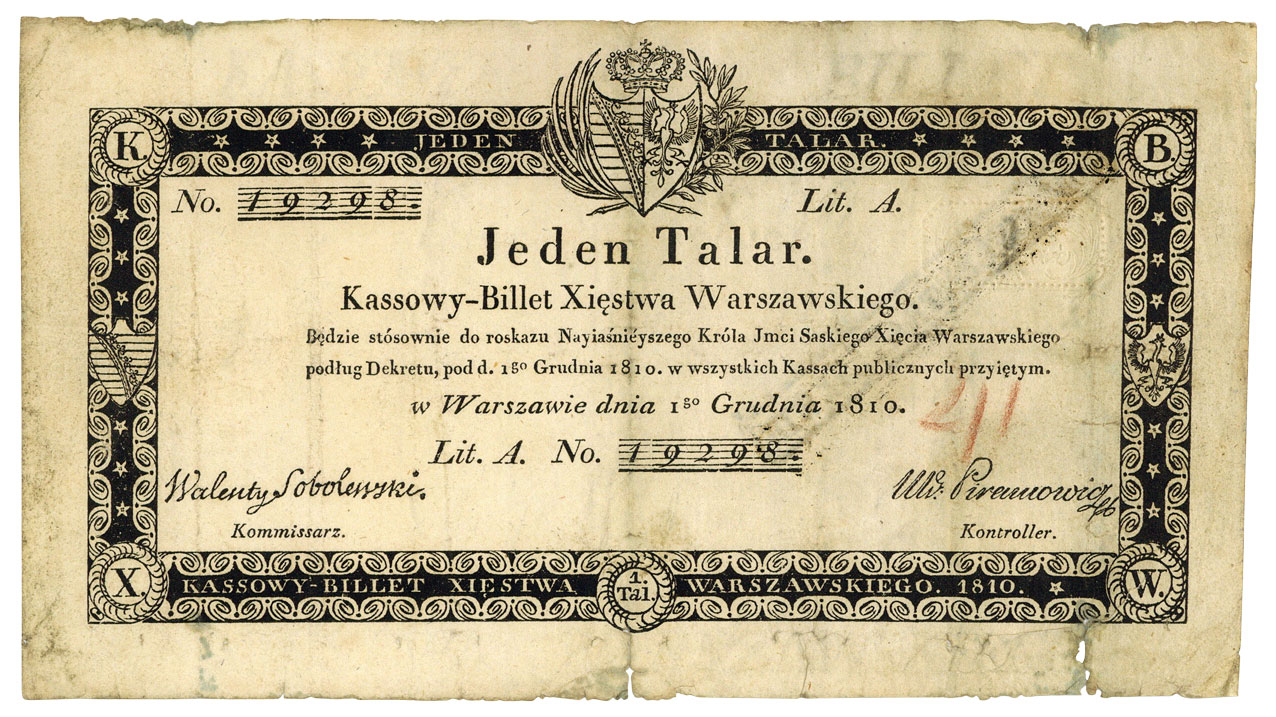
1 Talar 1. December 1810.
Condition: III-IV
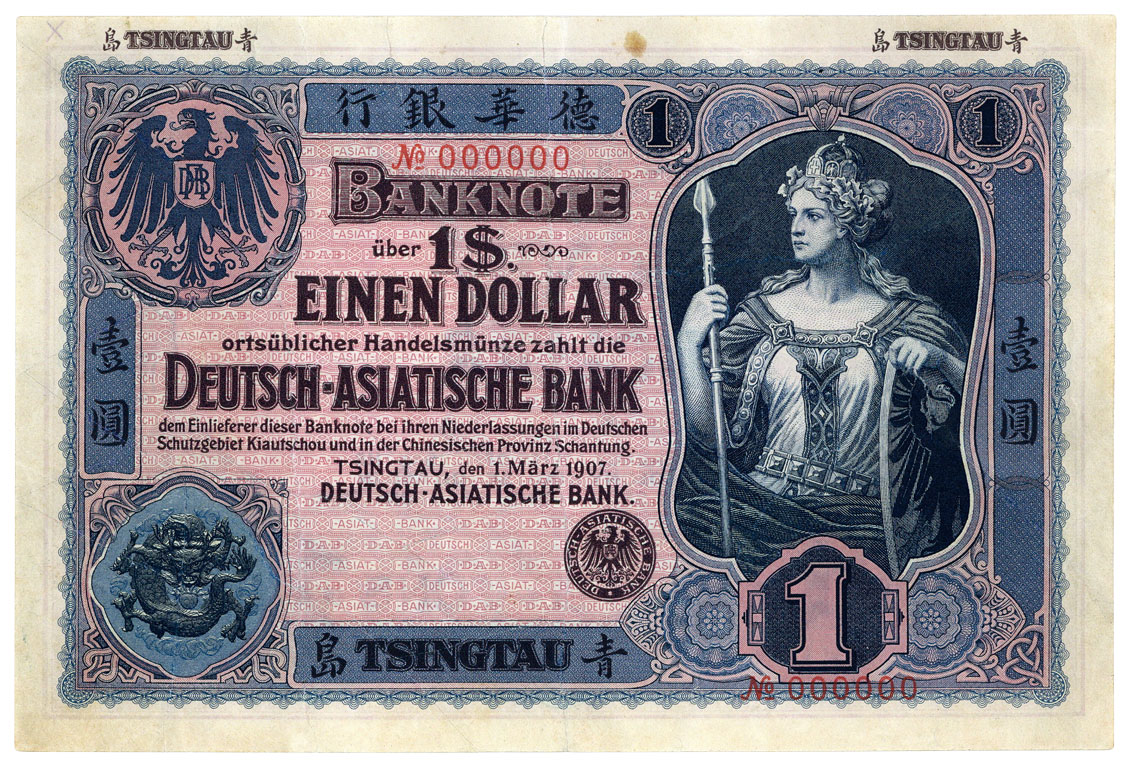
1 Dollar 1.3.1907, Tsingtao.
Condition: very rare, restored
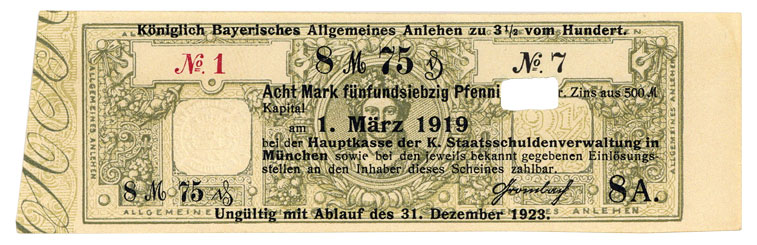
Royal Bavarian General Loan.
8.75 Marks, March 1, 1919.
Condition: rare, I
Archive: People and Markets
CoinsWeekly and Numista
Would you like to discuss our latest articles with like-minded people? You can now easily do so in the Numista forum!
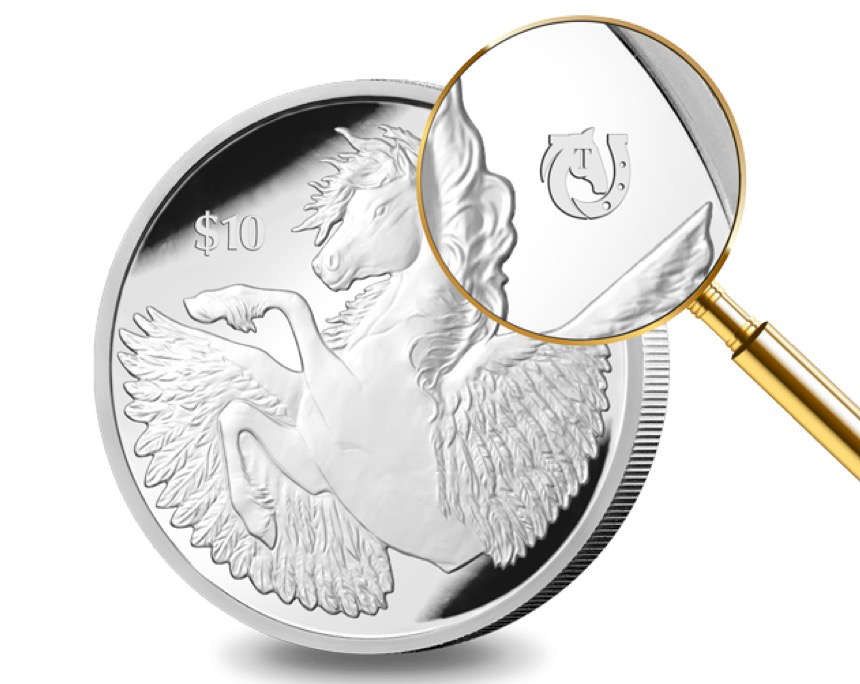
The Last Coin of the Pobjoy Mint
With the end of November, the history of the Pobjoy Mint also comes to an end today. The mint’s final issue is a Pegasus with a special mintmark for Taya Pobjoy. There is also a gold version of the coin with a mintage of 1.
Archive: Coins, Medals and more
 https://new.coinsweekly.com/wp-content/uploads/2024/03/00-2024KW13aHauptartikel_00.jpg
684
860
Sebastian Wieschowski
https://new.coinsweekly.com/wp-content/uploads/2023/01/logo-coinsweekly_590x204.png
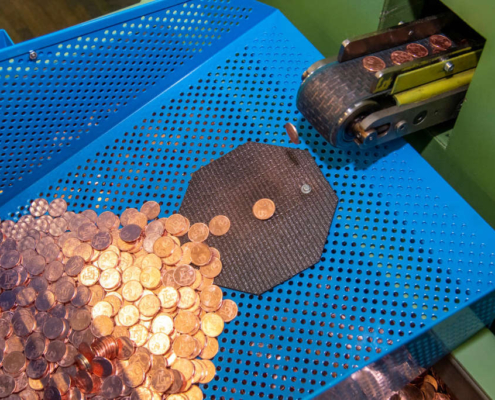
Sebastian Wieschowski2024-03-28 08:00:342024-03-28 10:58:28Croatia’s First Year as a Euro Country: A New Era for Coin Collectors and the Croatian Mint
https://new.coinsweekly.com/wp-content/uploads/2024/03/00-2024KW13aHauptartikel_00.jpg
684
860
Sebastian Wieschowski
https://new.coinsweekly.com/wp-content/uploads/2023/01/logo-coinsweekly_590x204.png
Sebastian Wieschowski2024-03-28 08:00:342024-03-28 10:58:28Croatia’s First Year as a Euro Country: A New Era for Coin Collectors and the Croatian Mint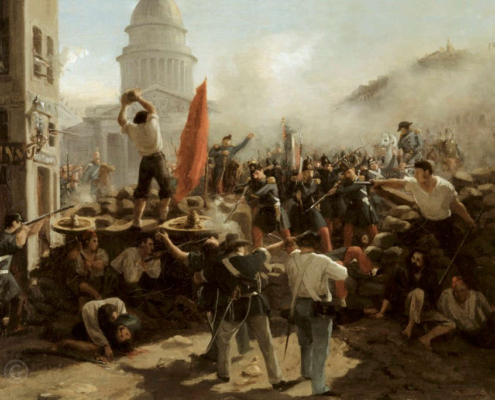 https://new.coinsweekly.com/wp-content/uploads/2023/08/2023KW34HA_00.jpg
684
860
Bruno
https://new.coinsweekly.com/wp-content/uploads/2023/01/logo-coinsweekly_590x204.png
Bruno2023-08-23 10:16:152023-08-23 10:16:15French History in Coins – Part 2: From the Second Republic to the Second Empire
https://new.coinsweekly.com/wp-content/uploads/2023/08/2023KW34HA_00.jpg
684
860
Bruno
https://new.coinsweekly.com/wp-content/uploads/2023/01/logo-coinsweekly_590x204.png
Bruno2023-08-23 10:16:152023-08-23 10:16:15French History in Coins – Part 2: From the Second Republic to the Second Empire
The Black Lizard from Brusnik Island in Ultra-High Relief
Croatia is home to a lizard species that would have impressed even Darvin himself: the autochthonous black lizard, found only on the island of Brusnik. On 14 March 2024, Croatia issued three collector coins in its honour. Now the fourth, a two-ounce silver version in ultra-high relief, has been released.
CIT’s Legends – Wild West
In 2024, CIT releases the third issue of its Legends series. Following Terracotta Warriors and Legacy of the Pharaohs, the Liechtenstein innovators now showcase one of our favorite legends: the Wild West. The issue incorporates countless details that are reminiscent of classic Hollywood western movies.