






Archive: People and Markets
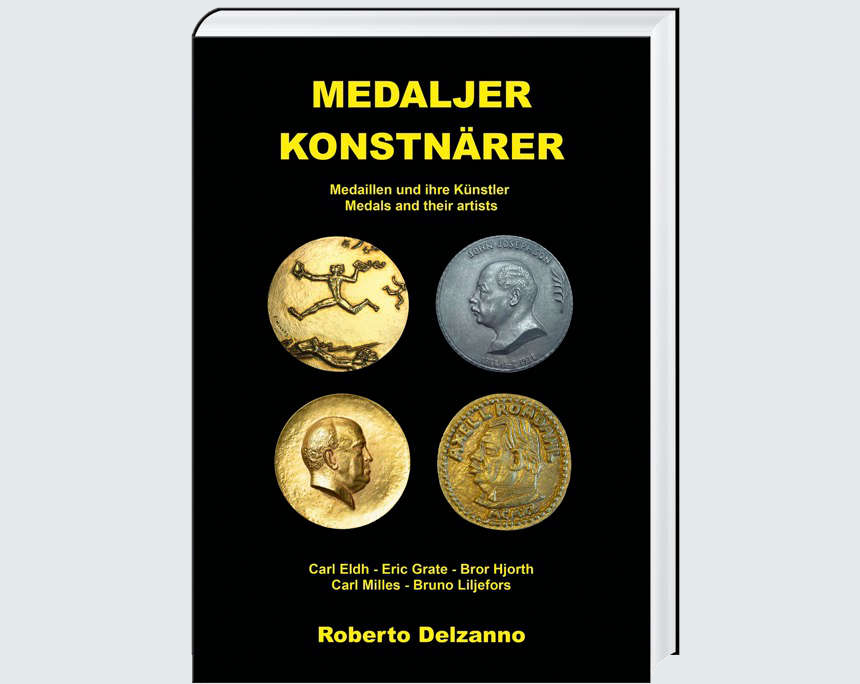
Medaljer Konstnärer – Medaillen und ihre Künstler – Medals and Their Artists
Roberto Delzanno presents his publication on five important Swedish medalists. The book of over 400 pages features texts in Swedish, German and English, as it aims to introduce Swedish medal art to the broader international collector community.
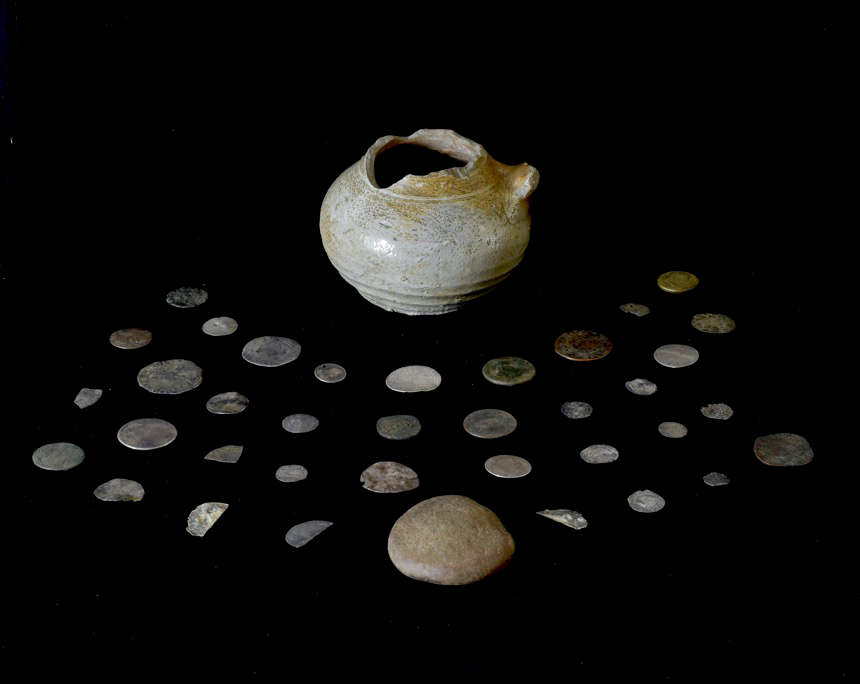
Coin Hoard Gives Fascinating Insight Into Life Before the Glencoe Massacre
Hidden underneath a stone fireplace of a house in Glencoe, Scotland, a pot with silver coins was recently discovered. They were minted in the years shortly before the infamous Glencoe massacre of 1692. Was the person who buried these coins among the victims of the treacherous clan slaughter in the Highlands?
Archive: Coins, Medals and more
 https://new.coinsweekly.com/wp-content/uploads/2025/02/2025KW06HA_00.jpg
684
860
Lucie Loechel
https://new.coinsweekly.com/wp-content/uploads/2023/01/logo-coinsweekly_590x204.png
Lucie Loechel2025-02-06 07:00:302025-02-06 15:38:12Coins on Coins: When Numismatic Legends Are Reborn
https://new.coinsweekly.com/wp-content/uploads/2025/02/2025KW06HA_00.jpg
684
860
Lucie Loechel
https://new.coinsweekly.com/wp-content/uploads/2023/01/logo-coinsweekly_590x204.png
Lucie Loechel2025-02-06 07:00:302025-02-06 15:38:12Coins on Coins: When Numismatic Legends Are Reborn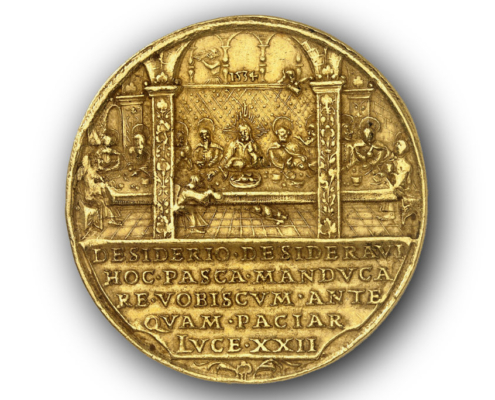 https://new.coinsweekly.com/wp-content/uploads/2025/01/2025KW02HA_00.jpg
684
860
Lucie Loechel
https://new.coinsweekly.com/wp-content/uploads/2023/01/logo-coinsweekly_590x204.png
Lucie Loechel2025-01-09 10:35:332025-01-09 14:45:59Joachimsthal and the Reformation
https://new.coinsweekly.com/wp-content/uploads/2025/01/2025KW02HA_00.jpg
684
860
Lucie Loechel
https://new.coinsweekly.com/wp-content/uploads/2023/01/logo-coinsweekly_590x204.png
Lucie Loechel2025-01-09 10:35:332025-01-09 14:45:59Joachimsthal and the Reformation
CIT’s new Smartminting® 4.0: Iron Knight
With Iron Knight, CIT has taken the ultra-high relief to the next level: thanks to smartminting® 4.0, an unprecedented relief of 9 mm can now be achieved. This is 50% more than what was possible with the prior version of smartminting®.
Swiss Linguistic Diversity Gold Coin
The latest Swiss gold coin “Swiss Language Diversity” honors cultural diversity and multilingualism as the very essence of Switzerland.