







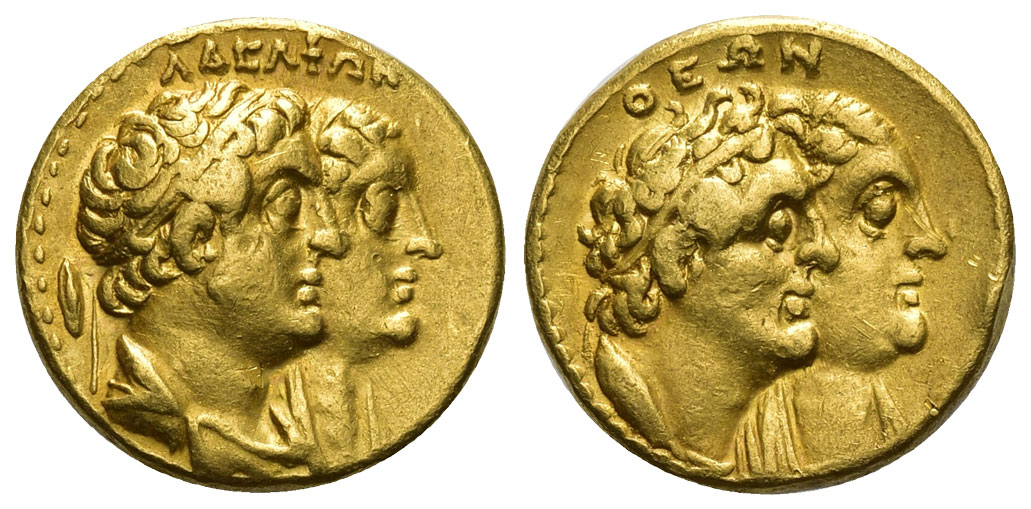
AV Tetradrachm (282–272 BC),
King Ptolemy II and Queen Arsinoe II.
From the major collection of Alexandria mint.
Condition: vf+
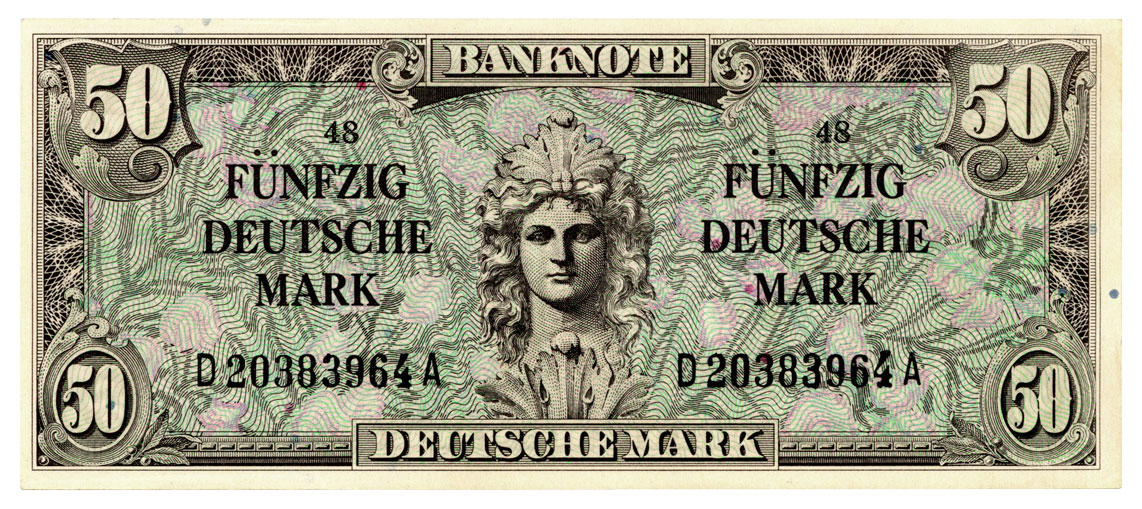
50 Deutsche Mark o.D. ( 1948-1949) "Liberty".
Condition: extremly rare, I
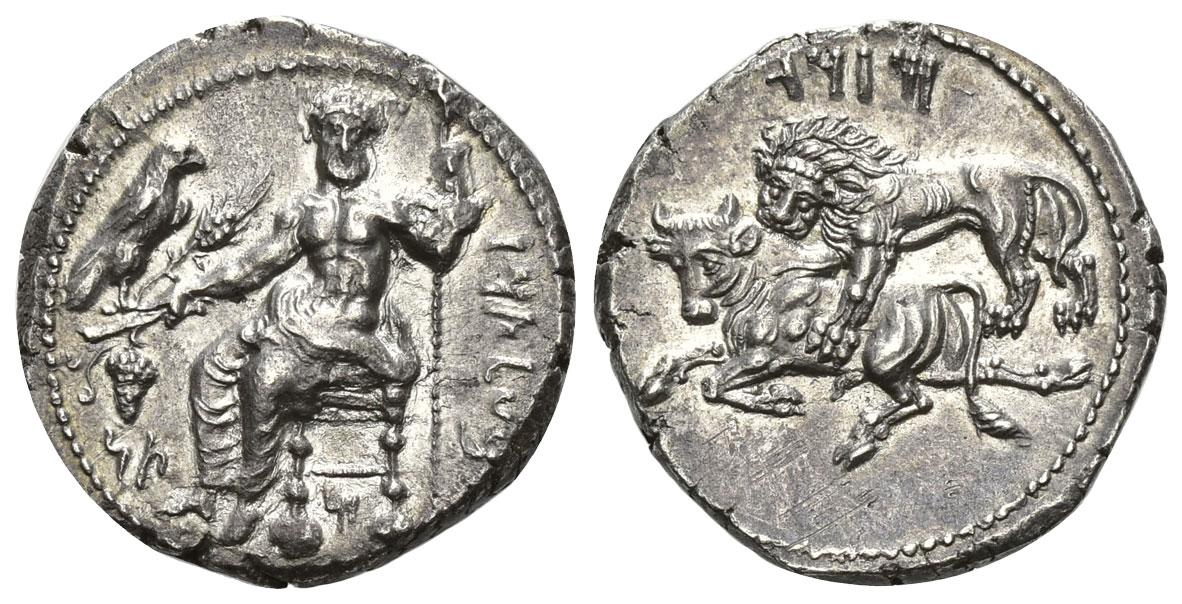
AR Stater (361-334 BC).
Obv. Baal of Tarsos.
Conditon: ef
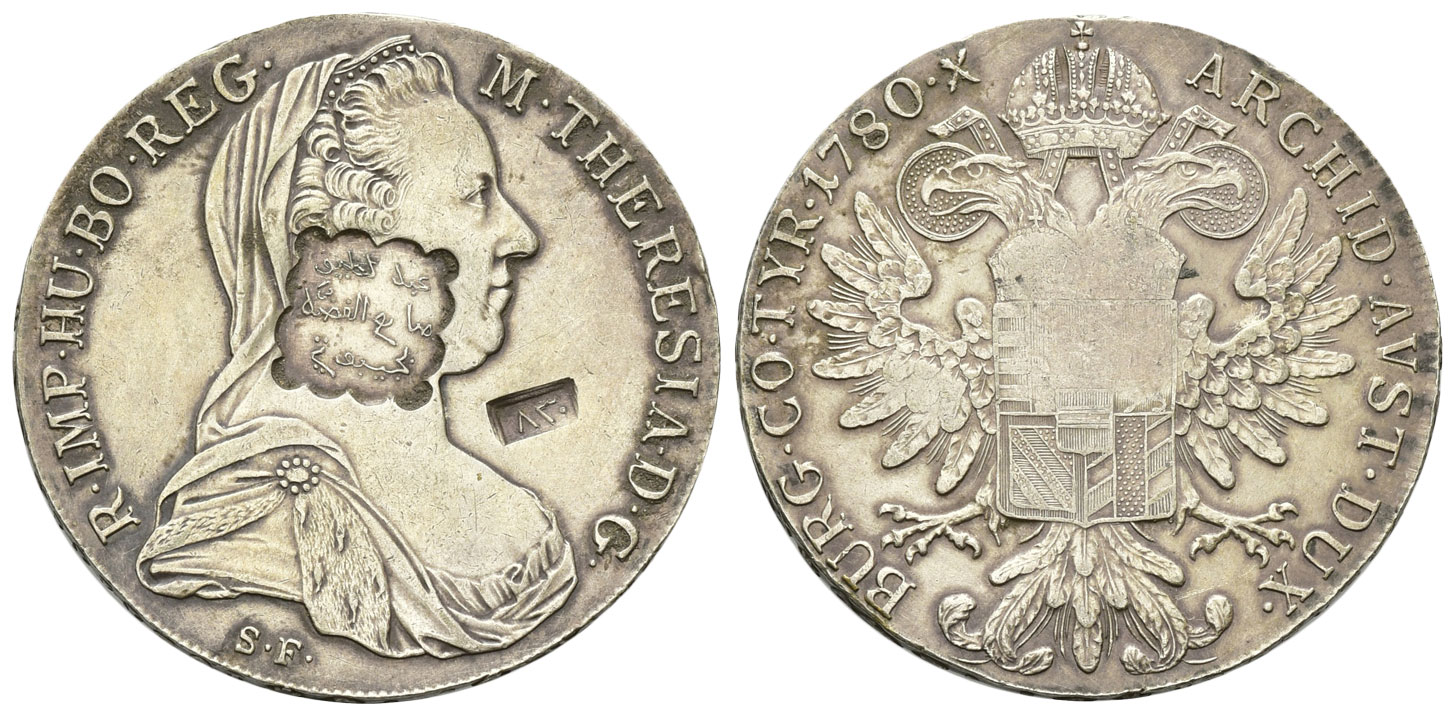
Taler 1780 SF
with counter stamp Djibouti (1870-1900).
Condition: vf
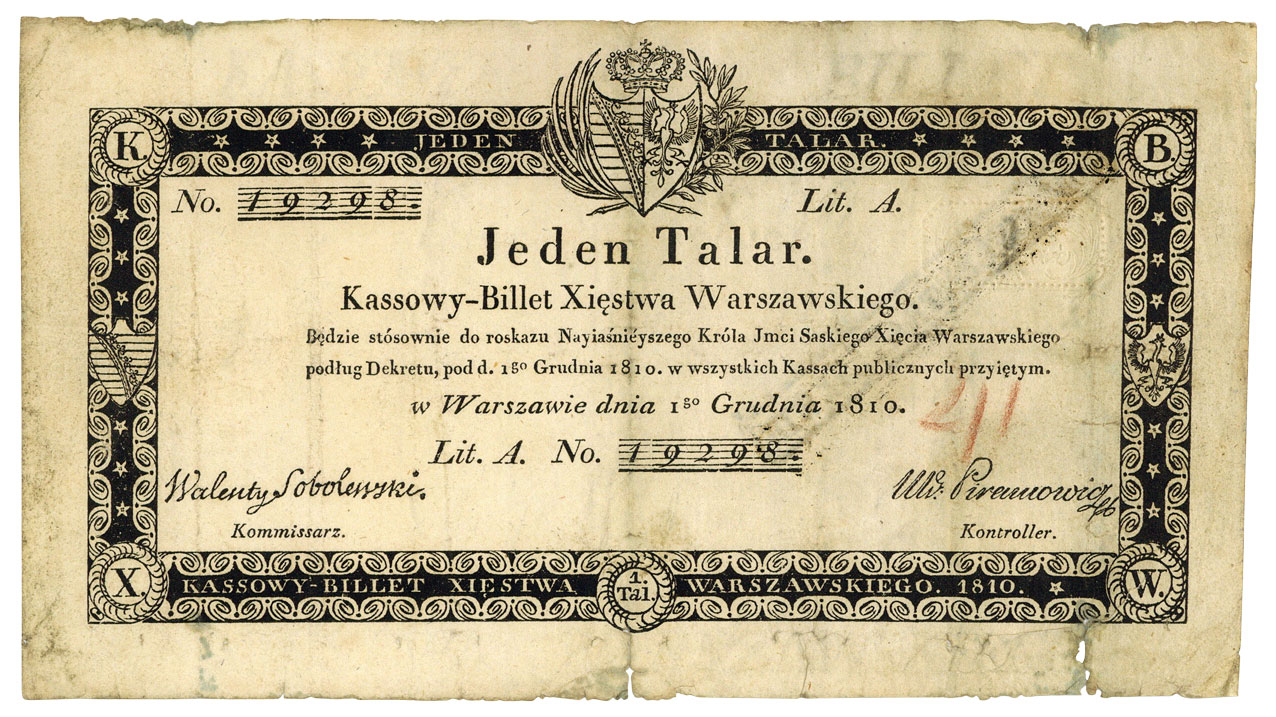
1 Talar 1. December 1810.
Condition: III-IV
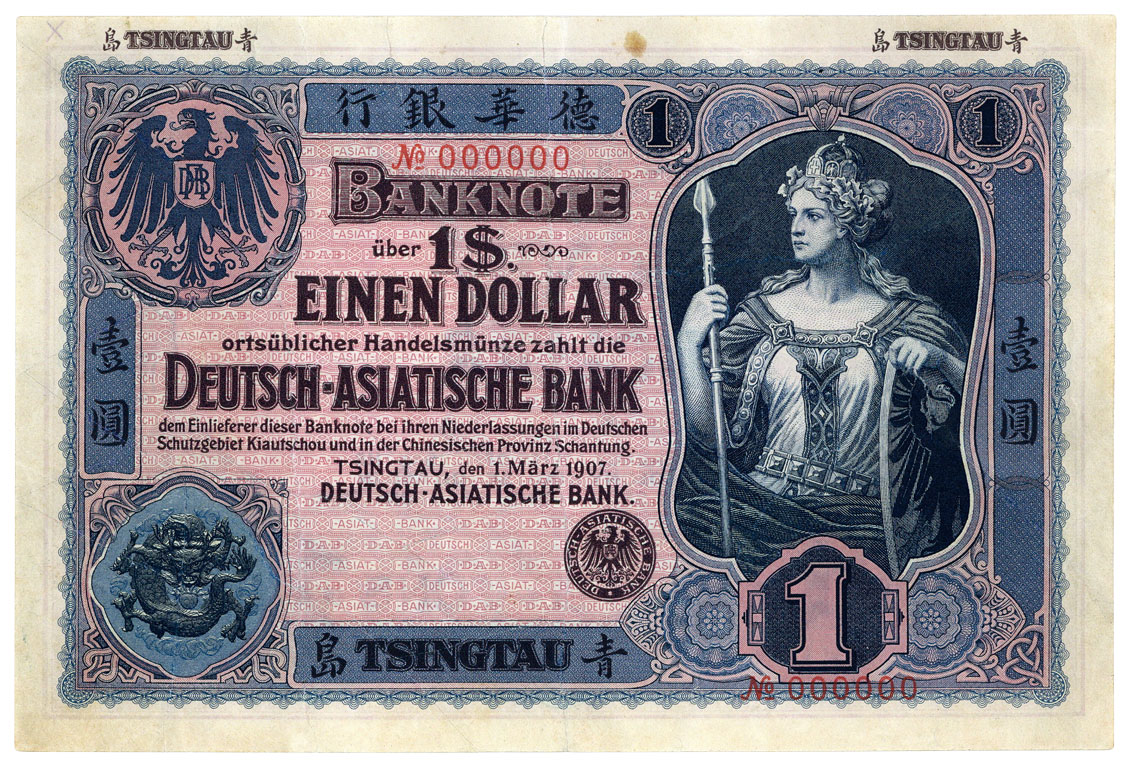
1 Dollar 1.3.1907, Tsingtao.
Condition: very rare, restored
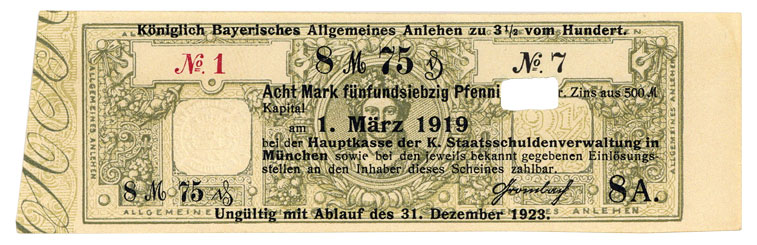
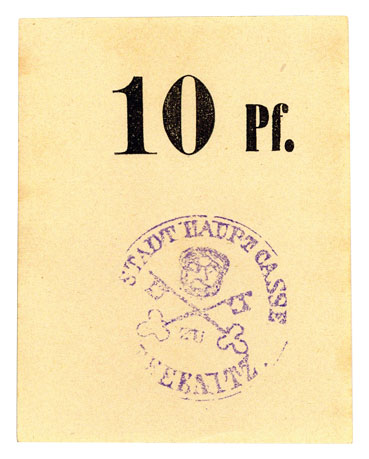
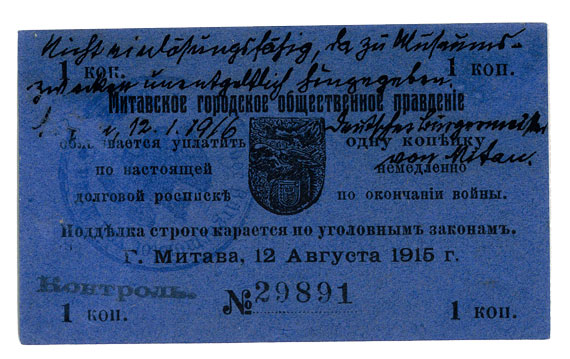
Royal Bavarian General Loan.
8.75 Marks, March 1, 1919.
Condition: rare, I
Archive: People and Markets

The Perth Mint Celebrates with Cake for 125th Birthday – and a Special Sovereign Coin
On June 20th, The Perth Mint celebrated the significant milestone of 125 years of operation as a gold refiner and producer of high-quality precious metal coins.
The Numismatic Index numindex in November 2023 – Your Feedback Counts!
At the beginning of the year, numindex was launched as a kind of stock index for coins. In addition to regular updates, some helpful new features have since been introduced. Your opinion as a CoinsWeekly reader is now needed!
Archive: Coins, Medals and more
 https://new.coinsweekly.com/wp-content/uploads/2024/05/2024KW21HA_00.jpg
684
860
Ursula Kampmann
https://new.coinsweekly.com/wp-content/uploads/2023/01/logo-coinsweekly_590x204.png
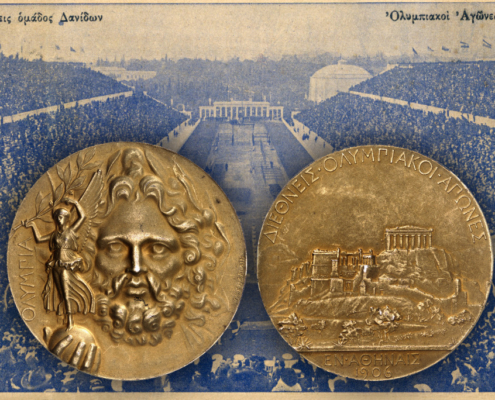
Ursula Kampmann2024-05-23 10:47:532024-05-23 11:04:37The Olympic Games That Are No Longer Recognized
https://new.coinsweekly.com/wp-content/uploads/2024/05/2024KW21HA_00.jpg
684
860
Ursula Kampmann
https://new.coinsweekly.com/wp-content/uploads/2023/01/logo-coinsweekly_590x204.png
Ursula Kampmann2024-05-23 10:47:532024-05-23 11:04:37The Olympic Games That Are No Longer Recognized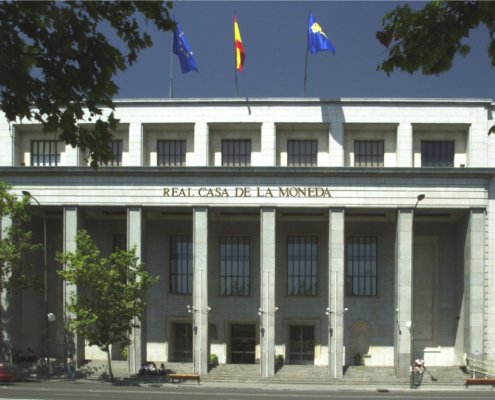 https://new.coinsweekly.com/wp-content/uploads/2024/07/2024KW28HA_00.jpg
684
860
Ursula Kampmann
https://new.coinsweekly.com/wp-content/uploads/2023/01/logo-coinsweekly_590x204.png
Ursula Kampmann2024-07-11 11:04:462024-07-11 11:19:29The Casa de la Moneda Museum in Madrid
https://new.coinsweekly.com/wp-content/uploads/2024/07/2024KW28HA_00.jpg
684
860
Ursula Kampmann
https://new.coinsweekly.com/wp-content/uploads/2023/01/logo-coinsweekly_590x204.png
Ursula Kampmann2024-07-11 11:04:462024-07-11 11:19:29The Casa de la Moneda Museum in Madrid
2-Euro Ticker: New €2 Coins in March 2025
Rumours about upcoming small-state euro issues are creating a buzz – and the collector year 2026 is already casting its numismatic shadow.
Oslo Myntgalleri Opening Sister Company in Denmark
The auction house Oslo Myntgalleri will open a sister company in Denmark with Michael Märcher as CEO. He and his team will run a traditional coin shop in Aarhus as well as a large online shop.