








Archive: People and Markets

Heritage Auctions Opens German Office in Munich
Germany has a vibrant collector community. The US auction giant Heritage Auctions has also recognized this. It has opened a new office in Munich to offer German clients personalized support and access to a global audience for their collections.
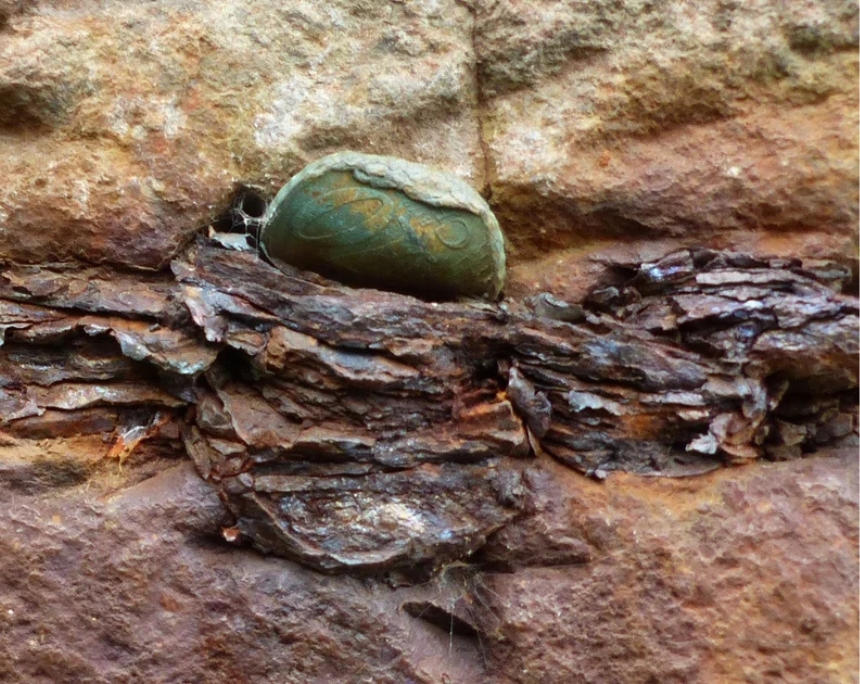
Giant’s Causeway: A Natural Wonder at Risk – Because of Coins?
One of Britain’s most iconic natural landmarks is under threat – because tourists are decorating the famous basalt columns of the Giant’s Causeway with coins. What may seem like a well-meaning gesture is now causing increasing damage to the geologically unique rock formation.
Archive: Coins, Medals and more
 https://new.coinsweekly.com/wp-content/uploads/2024/06/2024KW24HA_00.jpg
684
860
Ursula Kampmann
https://new.coinsweekly.com/wp-content/uploads/2023/01/logo-coinsweekly_590x204.png
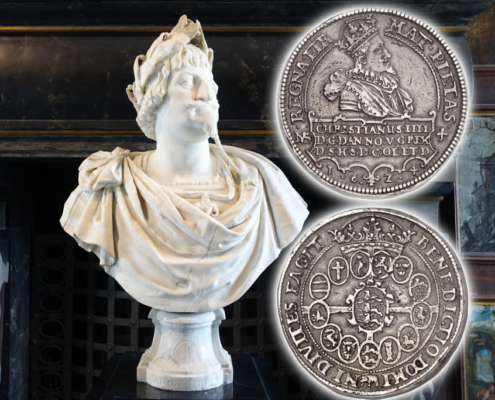
Ursula Kampmann2024-06-13 10:48:452024-06-13 11:10:58400 Years Ago – The Founding of Kongsberg
https://new.coinsweekly.com/wp-content/uploads/2024/06/2024KW24HA_00.jpg
684
860
Ursula Kampmann
https://new.coinsweekly.com/wp-content/uploads/2023/01/logo-coinsweekly_590x204.png
Ursula Kampmann2024-06-13 10:48:452024-06-13 11:10:58400 Years Ago – The Founding of Kongsberg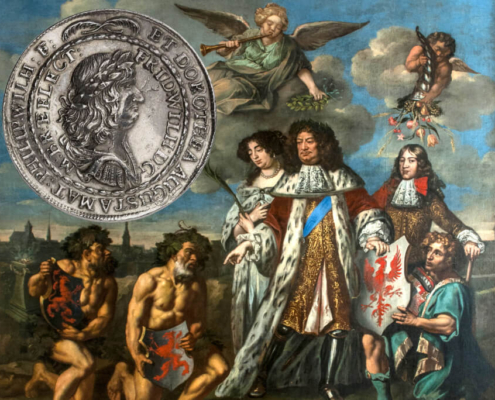 https://new.coinsweekly.com/wp-content/uploads/2023/12/2023KW51HA_00.jpg
684
860
Ursula Kampmann
https://new.coinsweekly.com/wp-content/uploads/2023/01/logo-coinsweekly_590x204.png
Ursula Kampmann2023-12-21 09:39:422023-12-21 09:51:29The Great Elector, Taxes and the Rise of Prussia
https://new.coinsweekly.com/wp-content/uploads/2023/12/2023KW51HA_00.jpg
684
860
Ursula Kampmann
https://new.coinsweekly.com/wp-content/uploads/2023/01/logo-coinsweekly_590x204.png
Ursula Kampmann2023-12-21 09:39:422023-12-21 09:51:29The Great Elector, Taxes and the Rise of Prussia
Two New Books on Ancient Numismatics in Poland
Book news from Poland: In the last months, two significant books on Roman numismatics were published with an English translation. Adam Degler and Kyrylo Myzgin tell us more about their works.
RPC Volumes V.2 and V.3 Now Available Online
The Roman Provincial Coinage project now published RPC volume V.2 and V.3 online. They cover all Roman provincial coinage issues from Pertinax to the death of Macrinus (AD 193-218) in all the Eastern provinces of the Roman Empire. This includes 11,000 type descriptions and over 45,000 coins from 317 cities!