







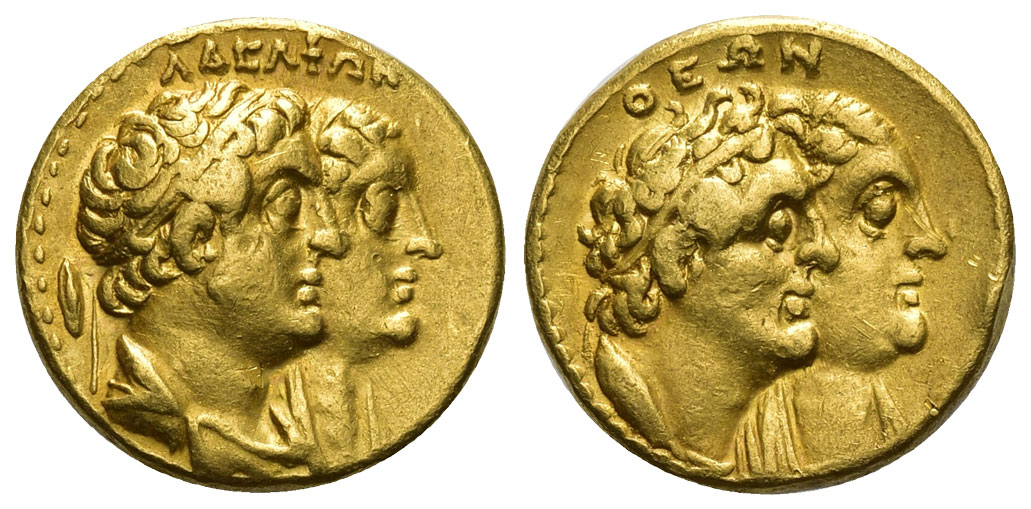
AV Tetradrachm (282–272 BC),
King Ptolemy II and Queen Arsinoe II.
From the major collection of Alexandria mint.
Condition: vf+
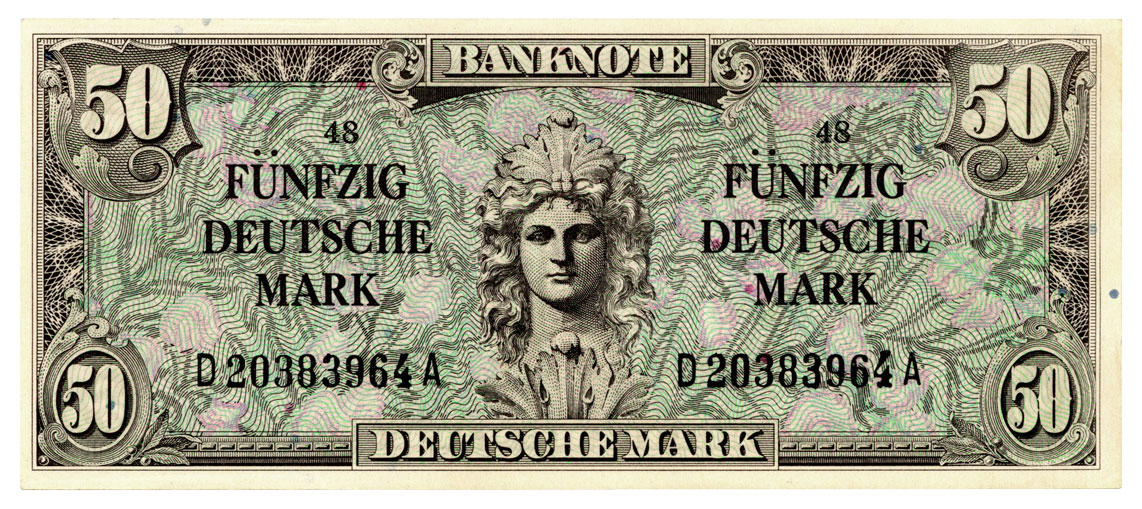
50 Deutsche Mark o.D. ( 1948-1949) "Liberty".
Condition: extremly rare, I
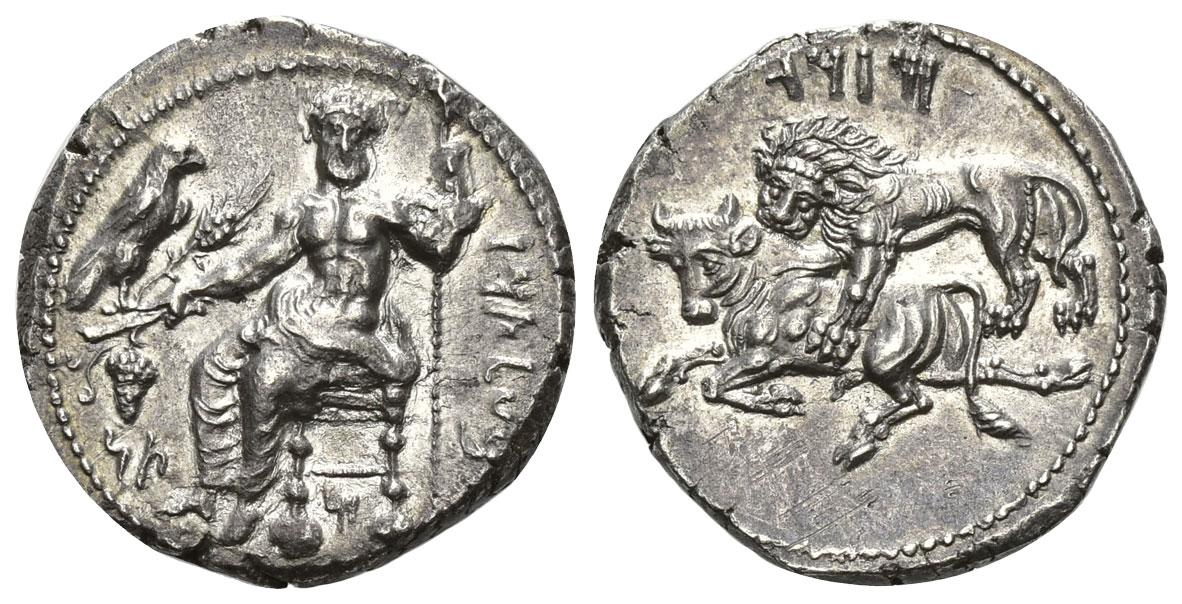
AR Stater (361-334 BC).
Obv. Baal of Tarsos.
Conditon: ef
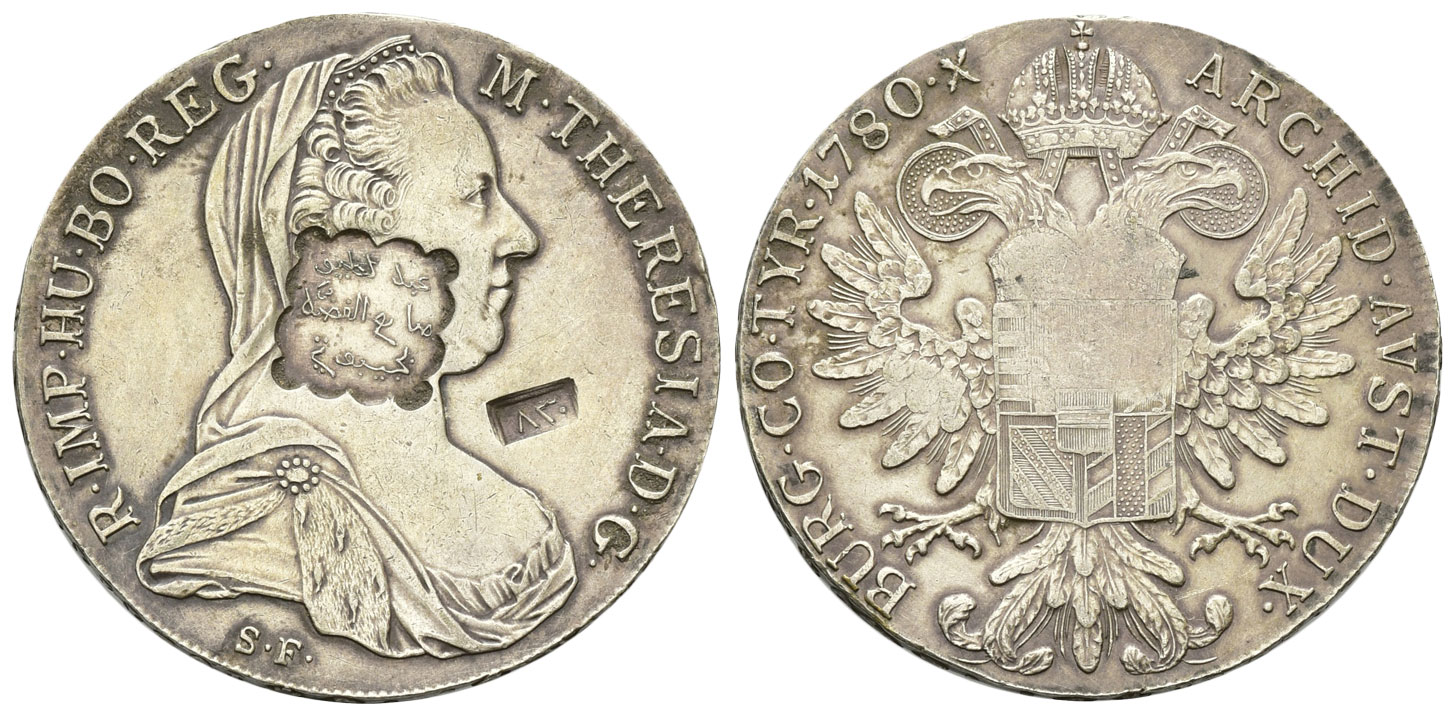
Taler 1780 SF
with counter stamp Djibouti (1870-1900).
Condition: vf
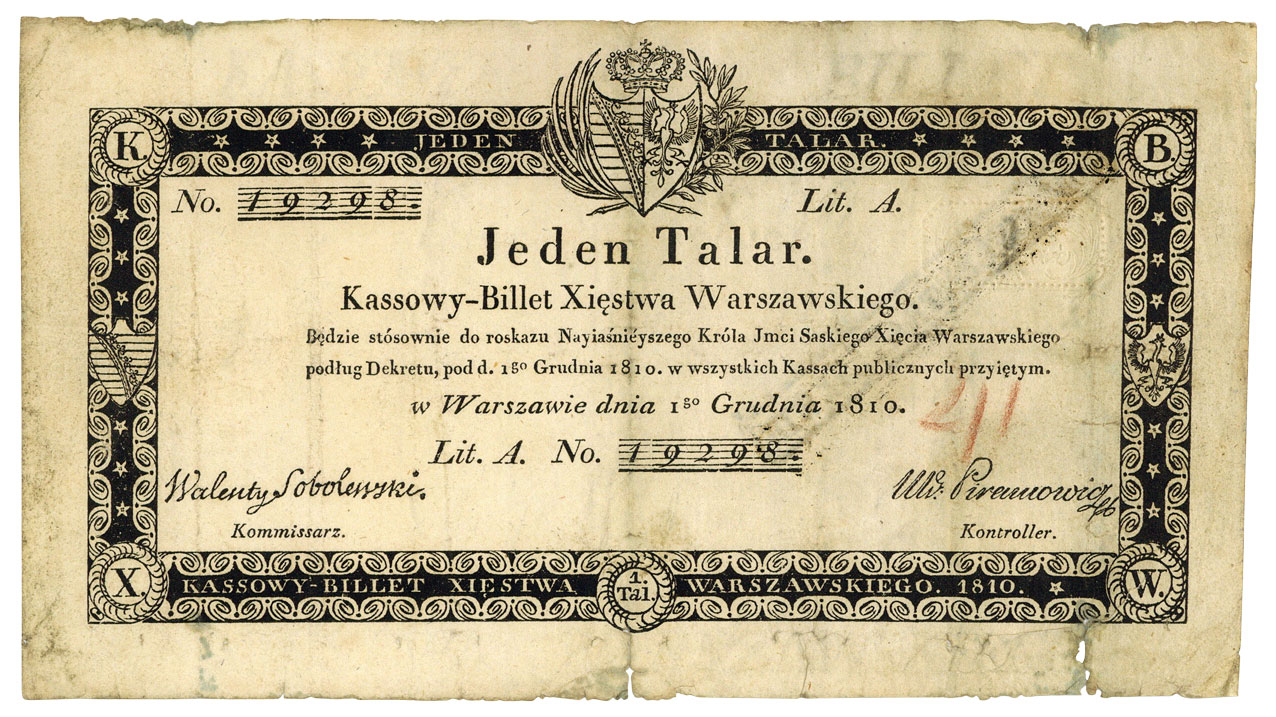
1 Talar 1. December 1810.
Condition: III-IV
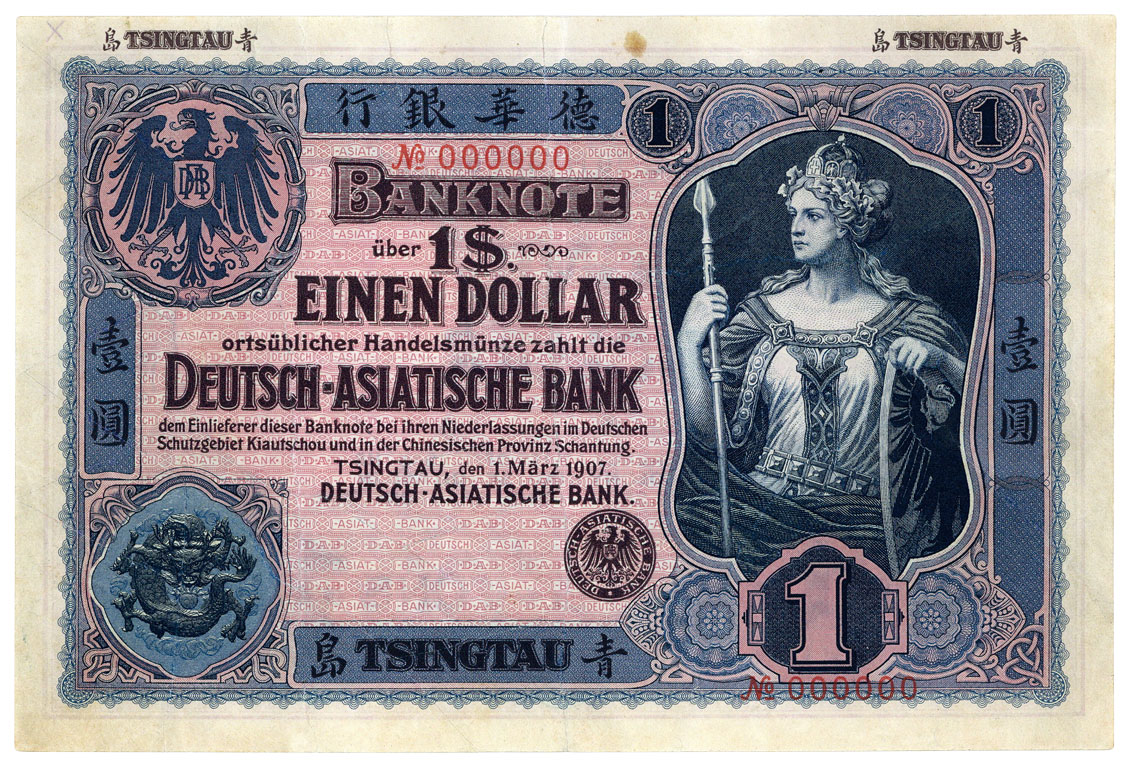
1 Dollar 1.3.1907, Tsingtao.
Condition: very rare, restored
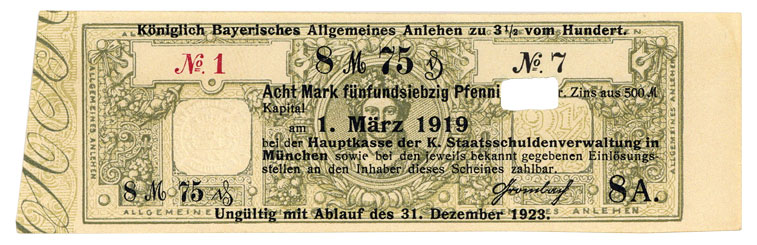
Royal Bavarian General Loan.
8.75 Marks, March 1, 1919.
Condition: rare, I
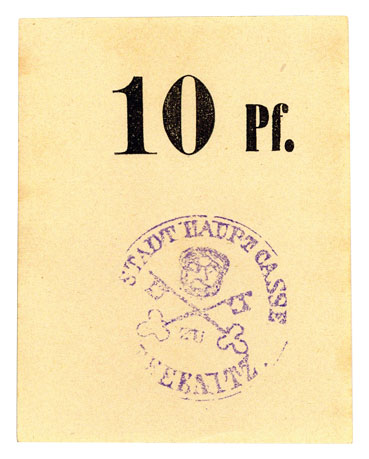
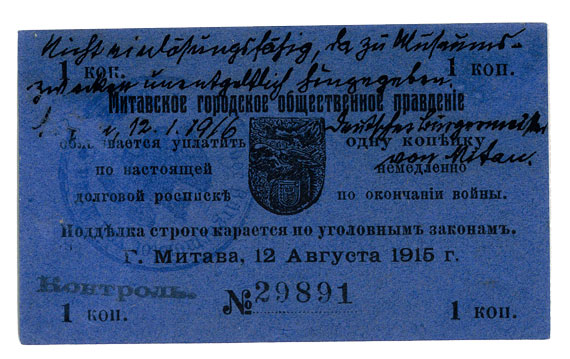
Archive: People and Markets

Looking Forward to 2027: the Website of the International Numismatic Congress Is Online
We still have to be patient a little longer until the XVII International Numismatic Congress takes place in Frankfurt in 2027. The website is now online and provides early information about the event.
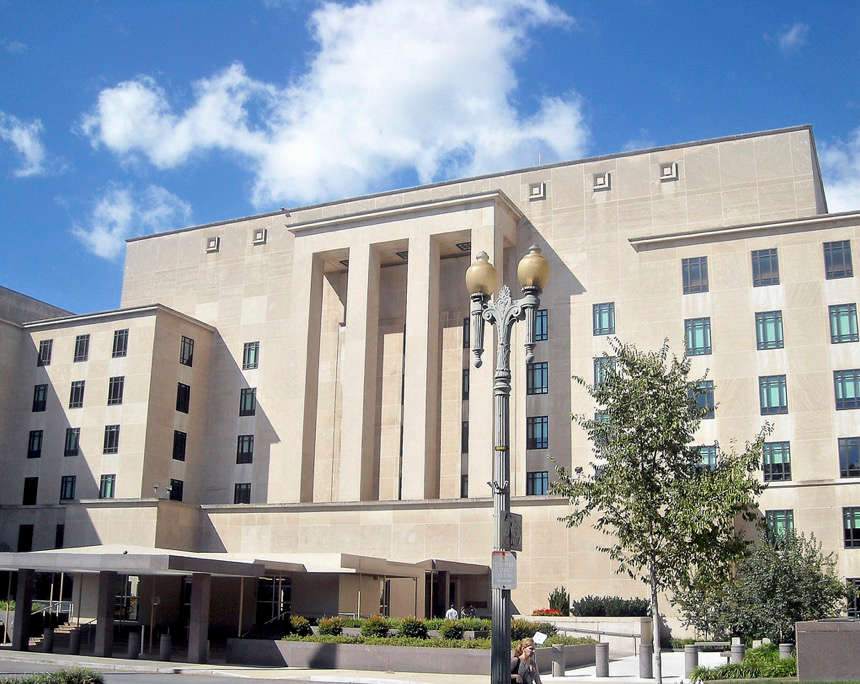
Your Tax Dollars at Work
Is the State Department funding a crusade against private ownership of cultural goods in the U.S.? Peter Tompa explains how taxpayer money was used to justify cultural property Memorandums of Understanding (MOUs) or “emergency import restrictions.”
Archive: Coins, Medals and more
 https://new.coinsweekly.com/wp-content/uploads/2025/02/2025KW08HA01_00.jpg
684
860
Lucie Loechel
https://new.coinsweekly.com/wp-content/uploads/2023/01/logo-coinsweekly_590x204.png
Lucie Loechel2025-02-20 09:21:132025-02-20 09:49:19L. E. Bruun: A Collector in His Time
https://new.coinsweekly.com/wp-content/uploads/2025/02/2025KW08HA01_00.jpg
684
860
Lucie Loechel
https://new.coinsweekly.com/wp-content/uploads/2023/01/logo-coinsweekly_590x204.png
Lucie Loechel2025-02-20 09:21:132025-02-20 09:49:19L. E. Bruun: A Collector in His Time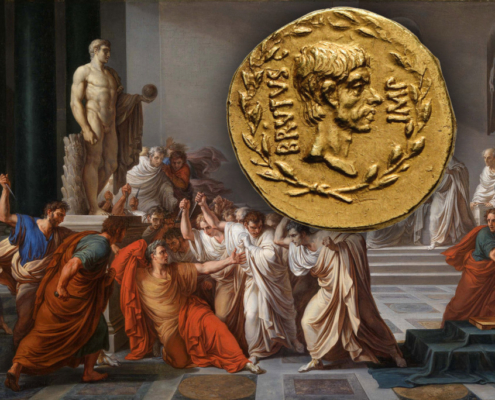 https://new.coinsweekly.com/wp-content/uploads/2024/11/2024KW46HA1_00.jpg
684
860
Lucie Loechel
https://new.coinsweekly.com/wp-content/uploads/2023/01/logo-coinsweekly_590x204.png
Lucie Loechel2024-11-14 10:03:272024-11-14 10:11:12The Eve of the Battle of Philippi: An Aureus Featuring the Portrait of Brutus
https://new.coinsweekly.com/wp-content/uploads/2024/11/2024KW46HA1_00.jpg
684
860
Lucie Loechel
https://new.coinsweekly.com/wp-content/uploads/2023/01/logo-coinsweekly_590x204.png
Lucie Loechel2024-11-14 10:03:272024-11-14 10:11:12The Eve of the Battle of Philippi: An Aureus Featuring the Portrait of Brutus
Solomon Islands New Banknote released in celebration of the XVII Pacific Games
The Central Bank of the Solomon Islands released new $10 commemorative banknotes to commemorate the XVII Pacific Games that the island country will hosting for the first time this year. The new banknote is expected to be widely circulated for use throughout the Solomon Islands.
A Coin Hoard from the Time of the Roman Conquest of Britain
The newly discovered Worcestershire Conquest Hoard is the largest hoard from the reign of Nero ever discovered in Britain. Worcestershire Heritage, Art & Museums has launched a fundraising campaign to acquire the 1,368 Iron Age and Roman coins for the county.