






Archive: People and Markets
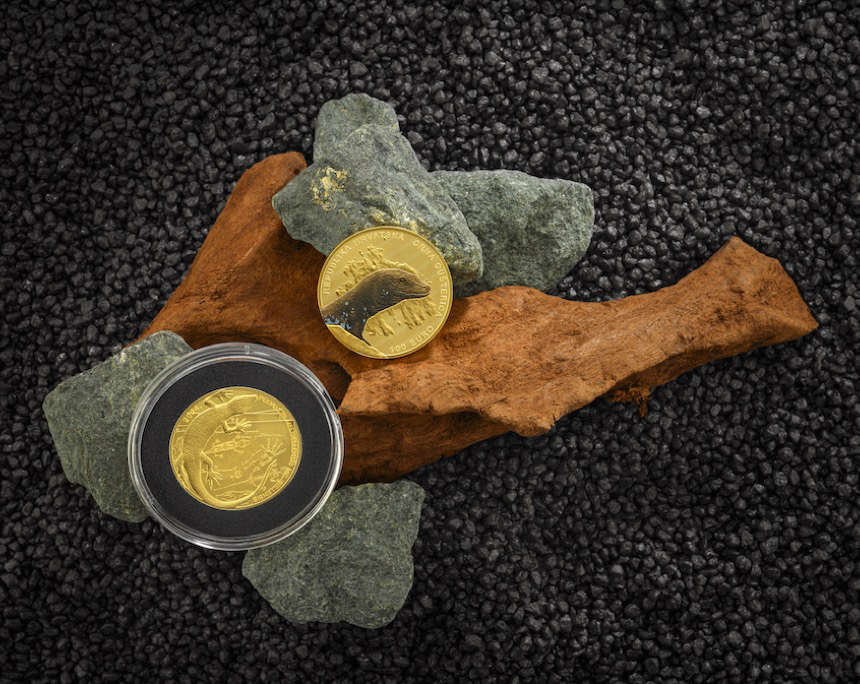
Black Lizard: The Second Issue of the Autochthonous Croatia Series
If you want to witness how Darwin’s natural selection works, there is no need to travel to the Galápagos Islands. The lizards on Croatian islands are just as diverse as Galápagos tortoises. The Croatian Mint has dedicated its latest issue of the Autochthonous Croatia series to a very special lizard species.
Register Now for the 30th Annual ICOMON Conference
The Economy Museum in Stockholm will host this year’s conference of the International Committee for Money and Banking Museums (ICOMON) on 25-28 September 2024. The registration is now open and the preliminary program is available online.
Archive: Coins, Medals and more
 https://new.coinsweekly.com/wp-content/uploads/2023/09/2023KW36HA_00.jpg
684
860
Ursula Kampmann
https://new.coinsweekly.com/wp-content/uploads/2023/01/logo-coinsweekly_590x204.png
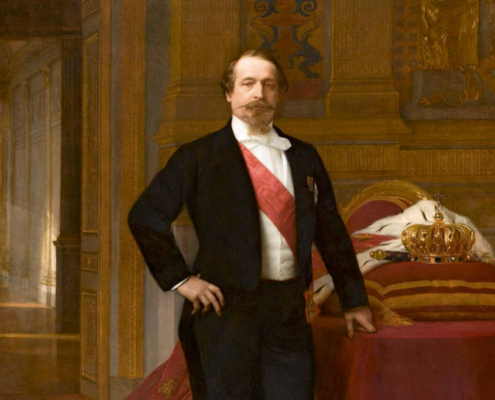
Ursula Kampmann2023-09-06 14:30:102023-09-06 14:30:10French History in Coins – Part 3: A New Napoleon
https://new.coinsweekly.com/wp-content/uploads/2023/09/2023KW36HA_00.jpg
684
860
Ursula Kampmann
https://new.coinsweekly.com/wp-content/uploads/2023/01/logo-coinsweekly_590x204.png
Ursula Kampmann2023-09-06 14:30:102023-09-06 14:30:10French History in Coins – Part 3: A New Napoleon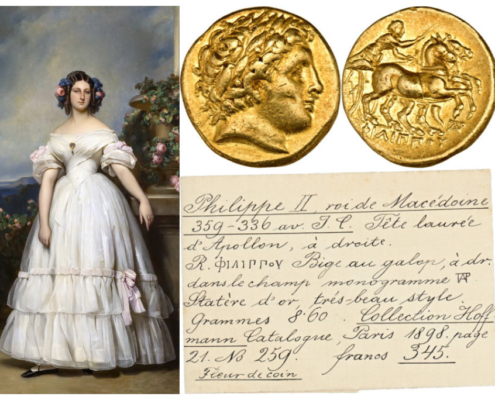 https://new.coinsweekly.com/wp-content/uploads/2024/10/2024KW43HA_00.jpg
684
860
Lucie Loechel
https://new.coinsweekly.com/wp-content/uploads/2023/01/logo-coinsweekly_590x204.png
Lucie Loechel2024-10-24 10:15:002024-10-24 13:59:31Clémentine d’Orléans: Extraordinary Woman and Coin Collector
https://new.coinsweekly.com/wp-content/uploads/2024/10/2024KW43HA_00.jpg
684
860
Lucie Loechel
https://new.coinsweekly.com/wp-content/uploads/2023/01/logo-coinsweekly_590x204.png
Lucie Loechel2024-10-24 10:15:002024-10-24 13:59:31Clémentine d’Orléans: Extraordinary Woman and Coin Collector
Ulrich Werz (1964-2023)
The numismatist Ulrich Werz died on June 14, 2023. He was known for his work on coin finds and his studies on Roman countermarks. Claire Franklin remembers him.
A Coveted 2-Euro Coin: Monaco Introduces Penalty Fee for Multiple Orders
The Principality’s commemorative coins are among the most expensive and sought-after collectibles in the eurozone – but they have also attracted speculators for years. The sales office is now taking drastic measures.