







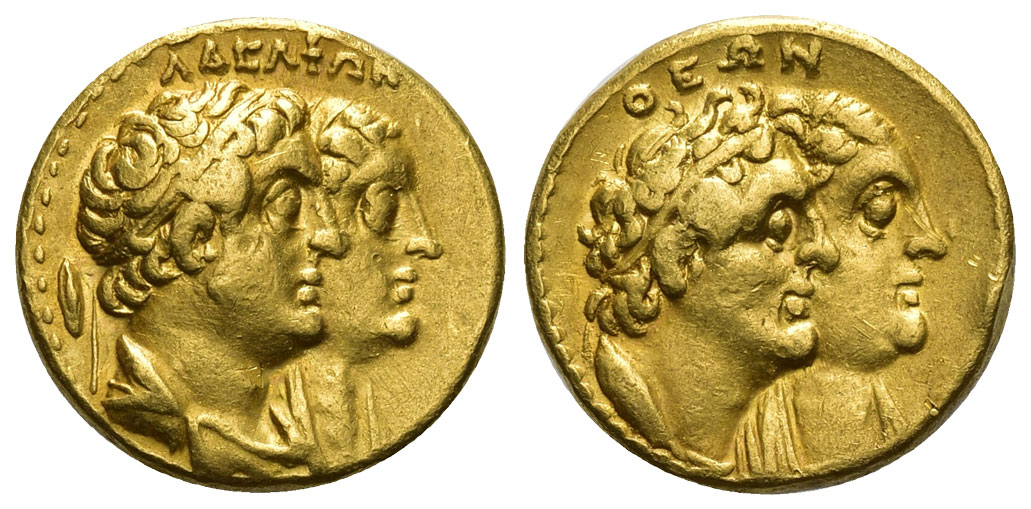
AV Tetradrachm (282–272 BC),
King Ptolemy II and Queen Arsinoe II.
From the major collection of Alexandria mint.
Condition: vf+
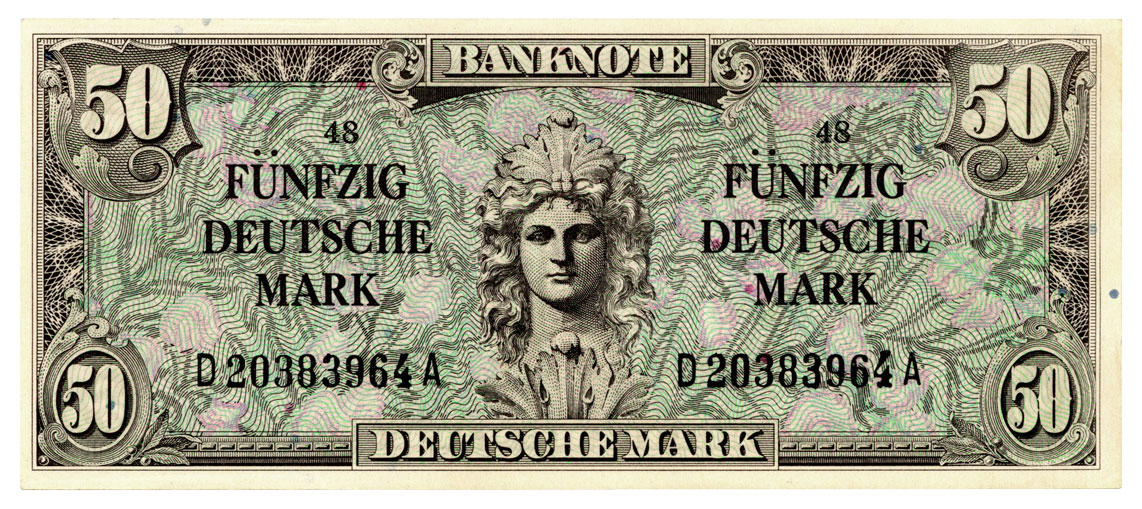
50 Deutsche Mark o.D. ( 1948-1949) "Liberty".
Condition: extremly rare, I
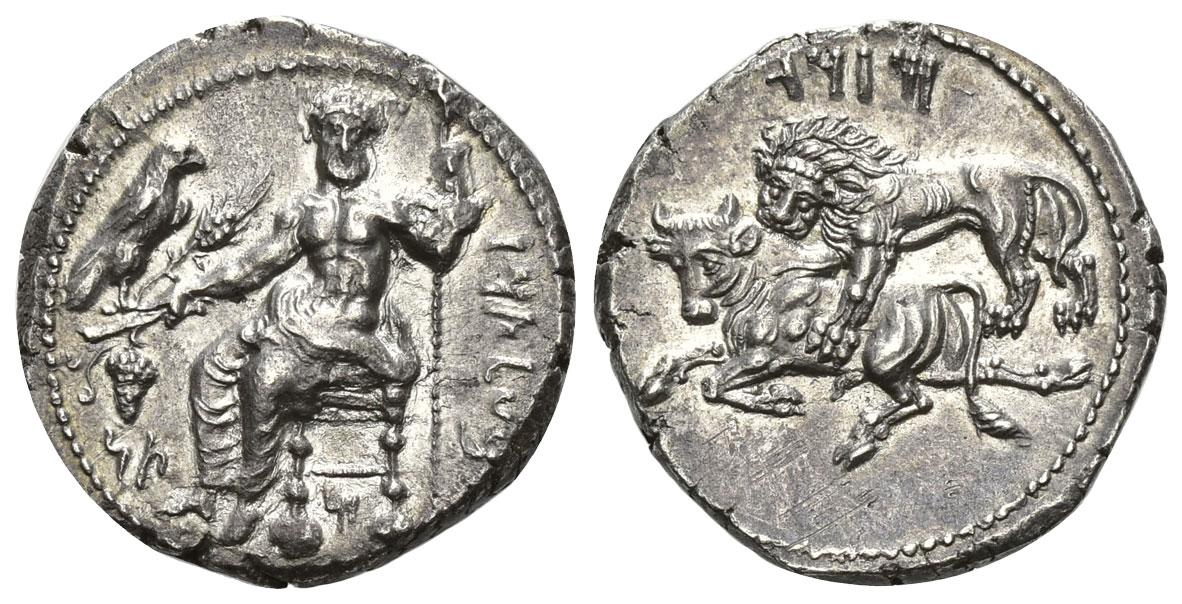
AR Stater (361-334 BC).
Obv. Baal of Tarsos.
Conditon: ef
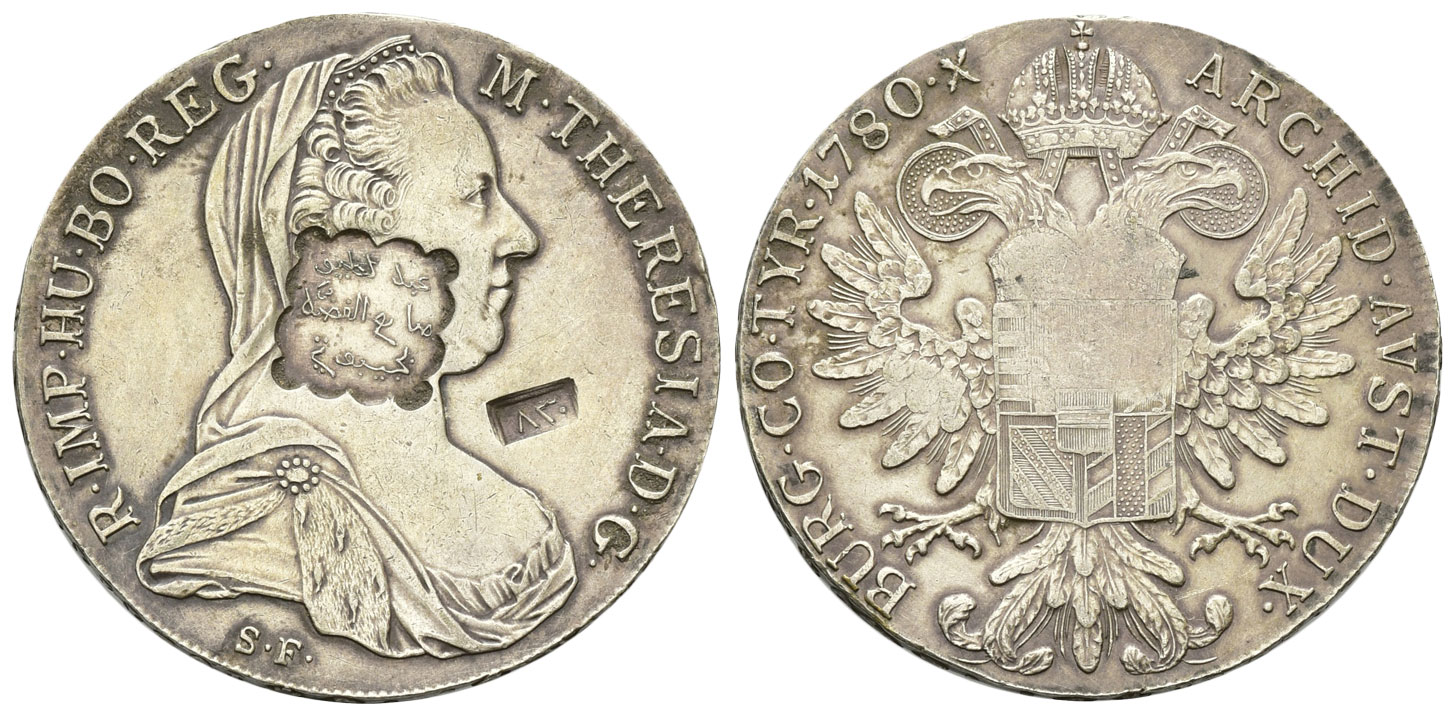
Taler 1780 SF
with counter stamp Djibouti (1870-1900).
Condition: vf
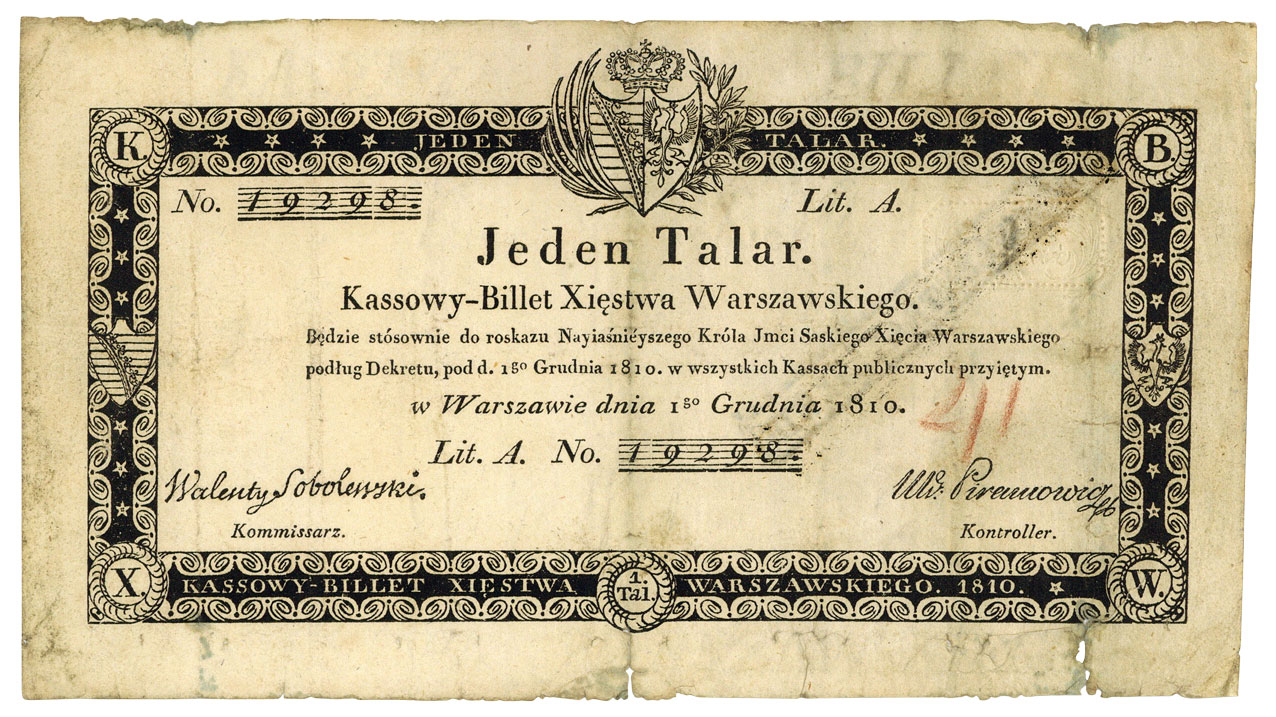
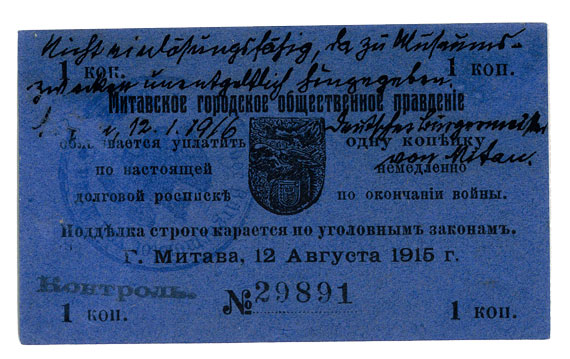
1 Talar 1. December 1810.
Condition: III-IV
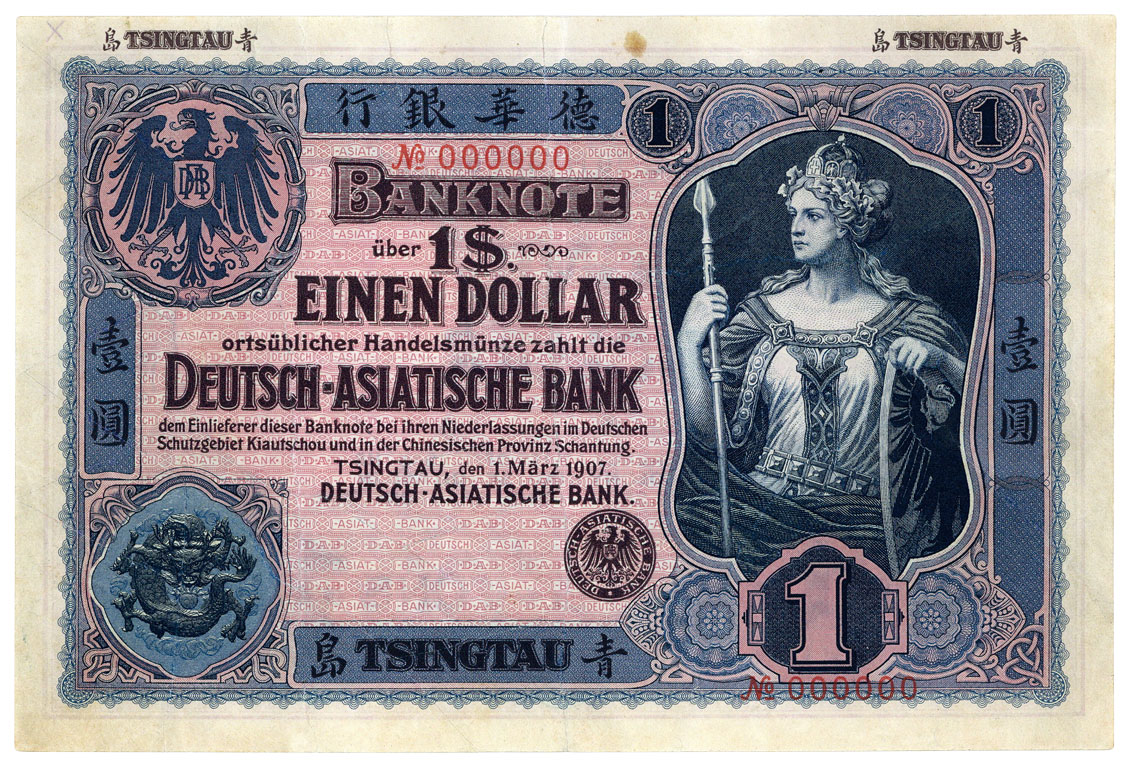
1 Dollar 1.3.1907, Tsingtao.
Condition: very rare, restored
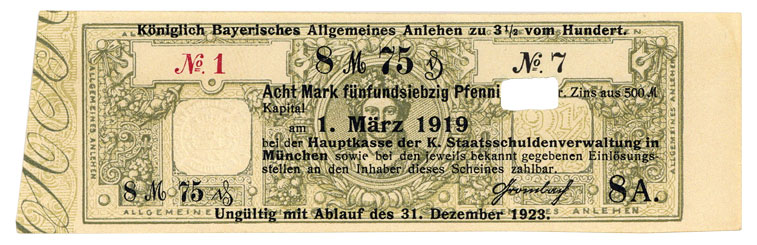
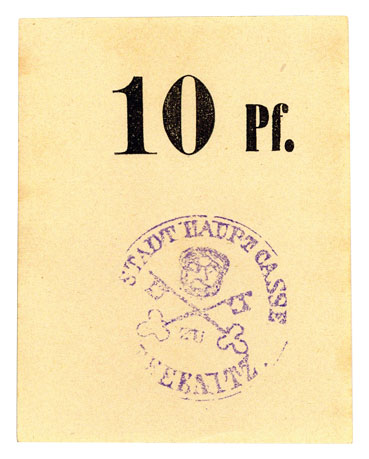
Royal Bavarian General Loan.
8.75 Marks, March 1, 1919.
Condition: rare, I
Archive: People and Markets
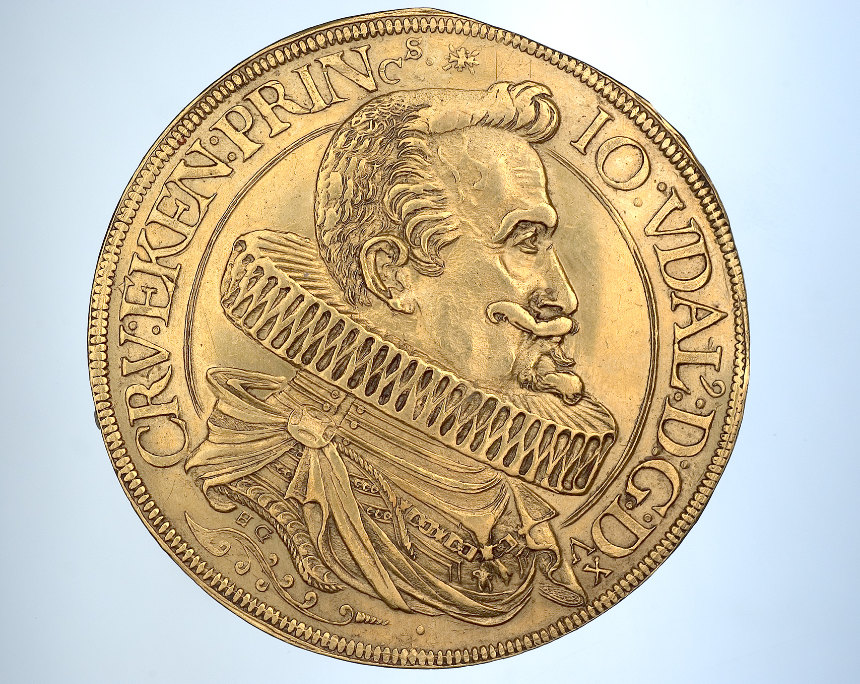
The Eggenberg Family and the Power of Money
In a new exhibition of the Coin Cabinet at Eggenberg Palace (Graz, Austria) the rise, splendour and decline of the Eggenberg dynasty are presented using their coins. In addition, examples of the diversity of coinage in the Holy Roman Empire in the 17th century are presented.
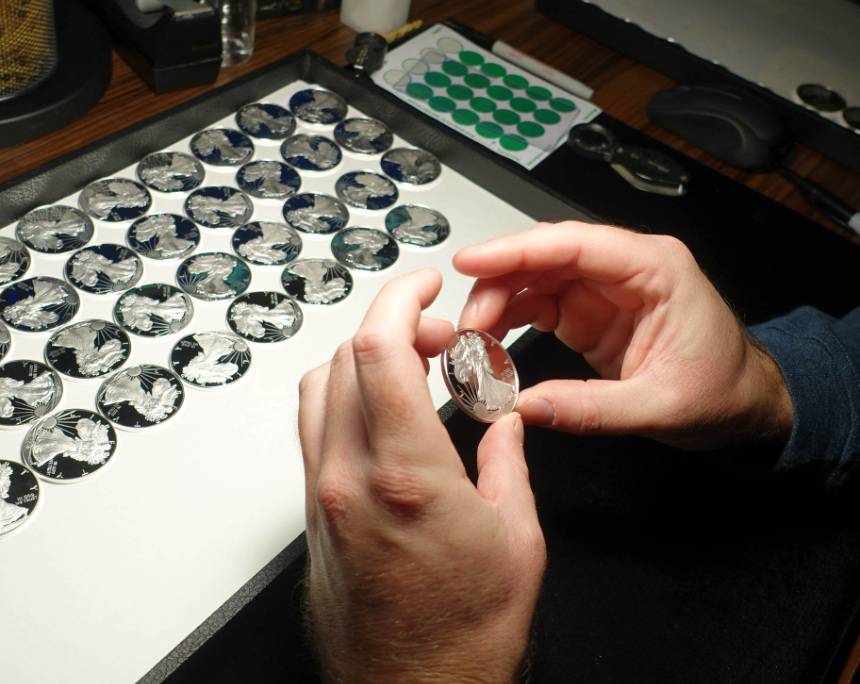
From a Collector’s Market to an Investor’s Market: Reasons, Consequences, Opportunities, Part 2
Today we continue Ursula Kampmann’s analysis of the change from collector to investor market with the second part. Find out how the market for American coins became a perfect investor’s market.
Archive: Coins, Medals and more
 https://new.coinsweekly.com/wp-content/uploads/2024/07/2024KW30HA02_00.jpg
684
860
Ursula Kampmann
https://new.coinsweekly.com/wp-content/uploads/2023/01/logo-coinsweekly_590x204.png
Ursula Kampmann2024-07-25 09:30:322024-07-25 14:12:39Switzerland’s Special Coin 200 Years Swiss Shooting Sport Federation Hits the Bull’s Eye
https://new.coinsweekly.com/wp-content/uploads/2024/07/2024KW30HA02_00.jpg
684
860
Ursula Kampmann
https://new.coinsweekly.com/wp-content/uploads/2023/01/logo-coinsweekly_590x204.png
Ursula Kampmann2024-07-25 09:30:322024-07-25 14:12:39Switzerland’s Special Coin 200 Years Swiss Shooting Sport Federation Hits the Bull’s Eye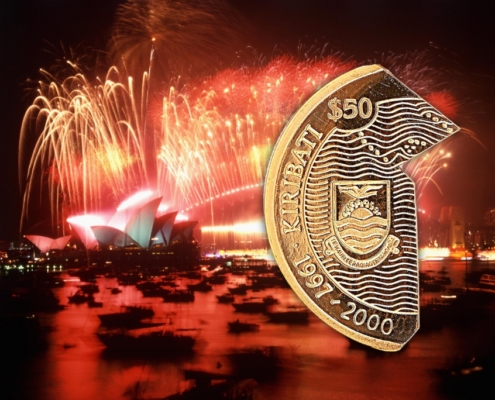 https://new.coinsweekly.com/wp-content/uploads/2025/01/2025KW03HA_00.jpg
684
860
Sebastian Wieschowski
https://new.coinsweekly.com/wp-content/uploads/2023/01/logo-coinsweekly_590x204.png
Sebastian Wieschowski2025-01-16 07:00:032025-01-16 16:55:4925 Years Ago: Millennium Coins and the Dawn of a New Era
https://new.coinsweekly.com/wp-content/uploads/2025/01/2025KW03HA_00.jpg
684
860
Sebastian Wieschowski
https://new.coinsweekly.com/wp-content/uploads/2023/01/logo-coinsweekly_590x204.png
Sebastian Wieschowski2025-01-16 07:00:032025-01-16 16:55:4925 Years Ago: Millennium Coins and the Dawn of a New Era
2023 World’s Fair of Money in Pittsburgh
In the international coin world, there are a few events that are set in stone. One of them is the American Numismatic Association’s World’s Fair of Money. Ursula Kampmann attended the 2023 show in Pittsburgh.
Pobjoy’s Pegasus is Back With Charles III
The celebrated motif of Pegasus reappears in its 6th edition for Pobjoy’s reverse frosted silver coin. The new edition carries an effigy of His Majesty King Charles III produced exclusively by Pobjoy Mint.