







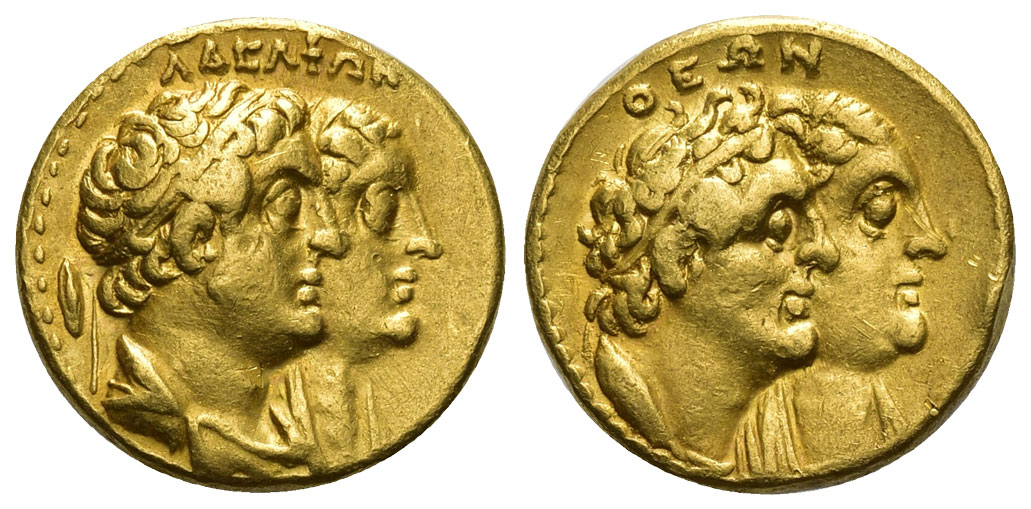
AV Tetradrachm (282–272 BC),
King Ptolemy II and Queen Arsinoe II.
From the major collection of Alexandria mint.
Condition: vf+
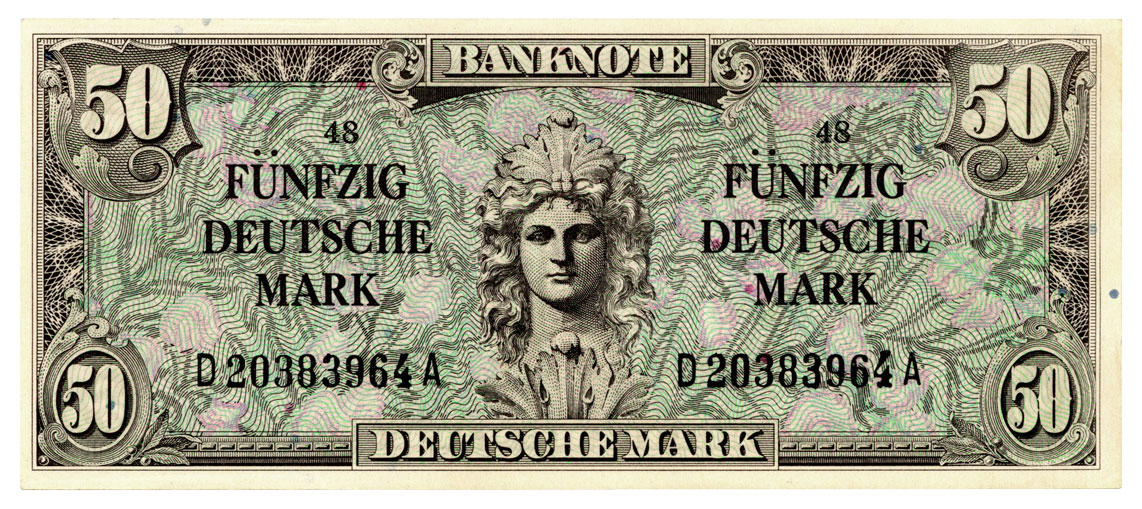
50 Deutsche Mark o.D. ( 1948-1949) "Liberty".
Condition: extremly rare, I
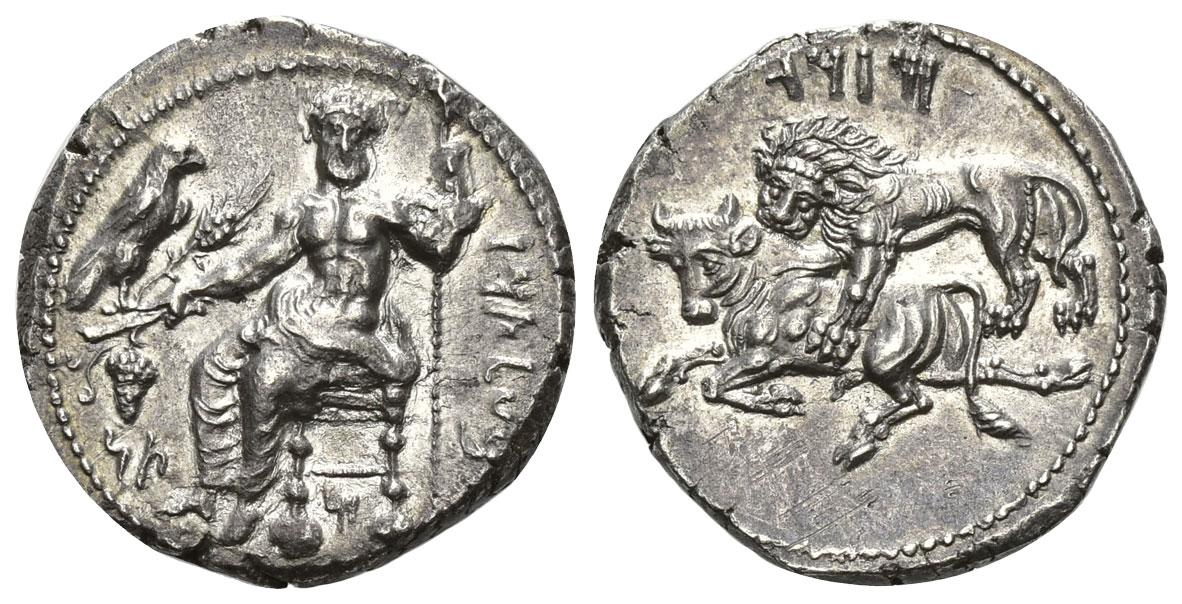
AR Stater (361-334 BC).
Obv. Baal of Tarsos.
Conditon: ef
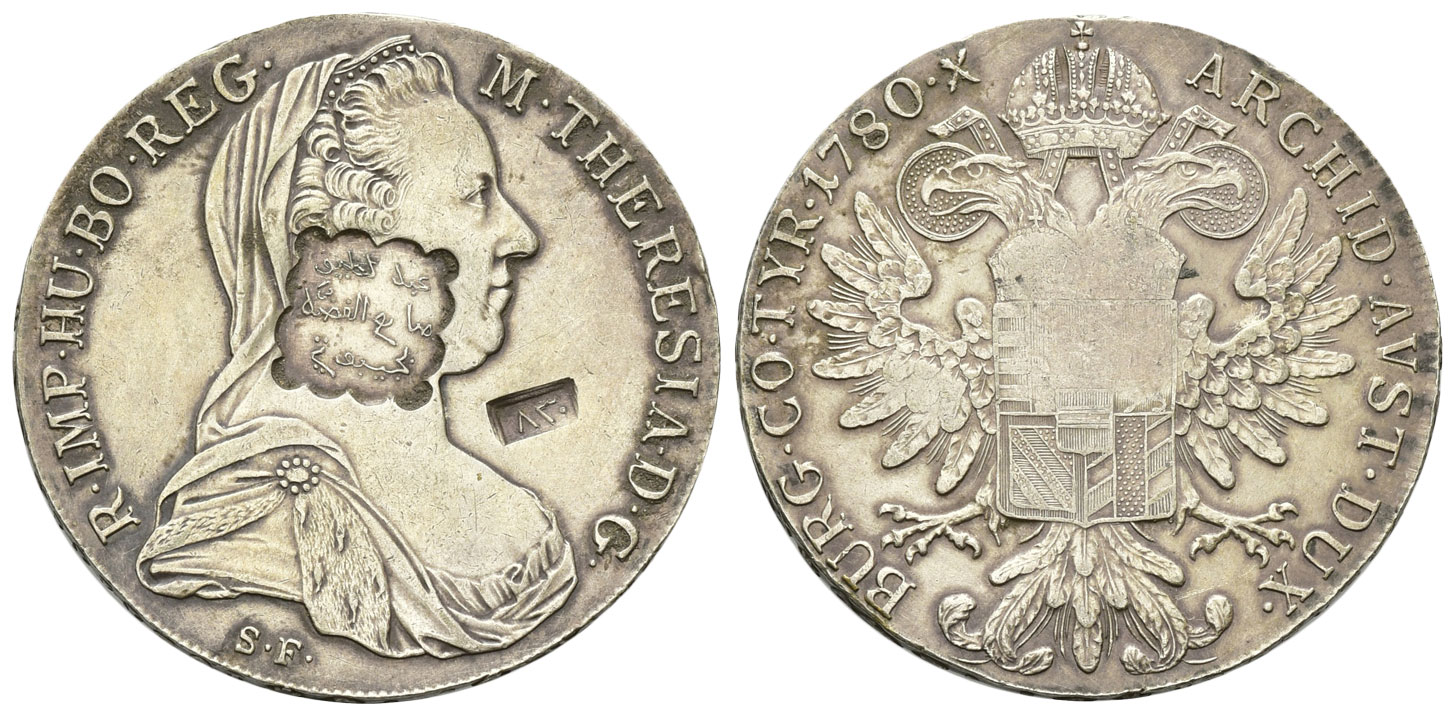
Taler 1780 SF
with counter stamp Djibouti (1870-1900).
Condition: vf
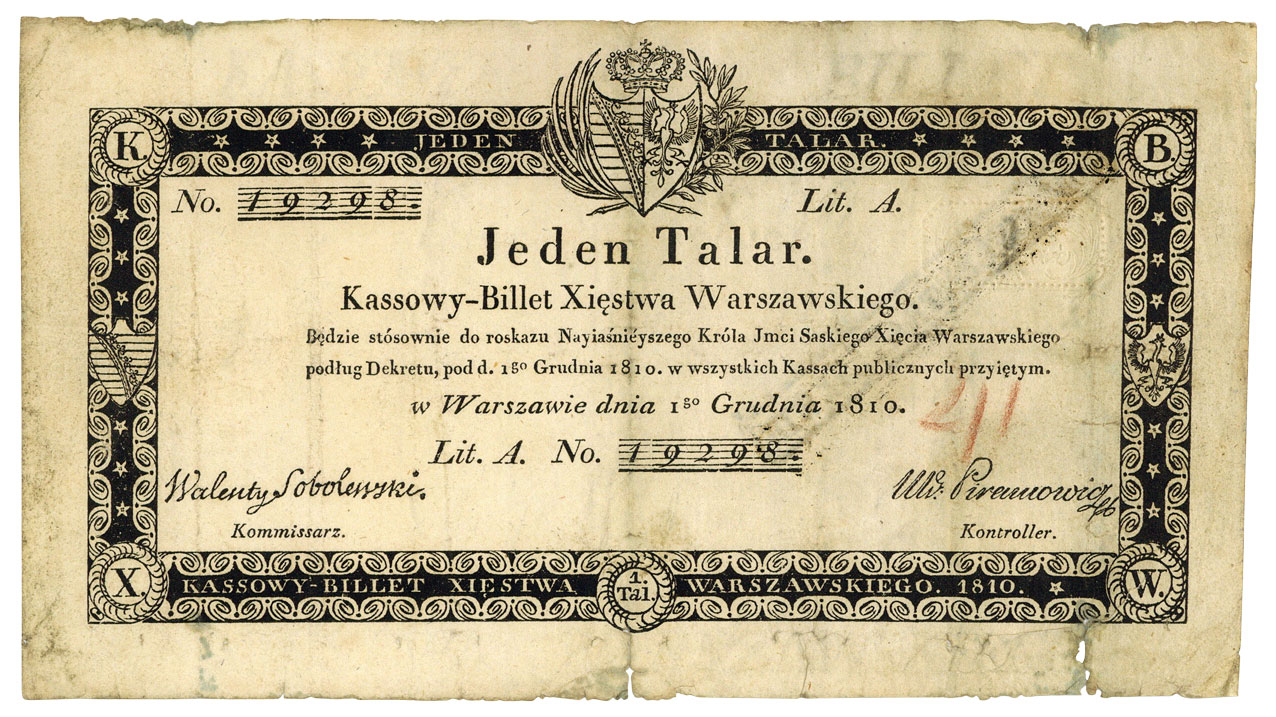
1 Talar 1. December 1810.
Condition: III-IV
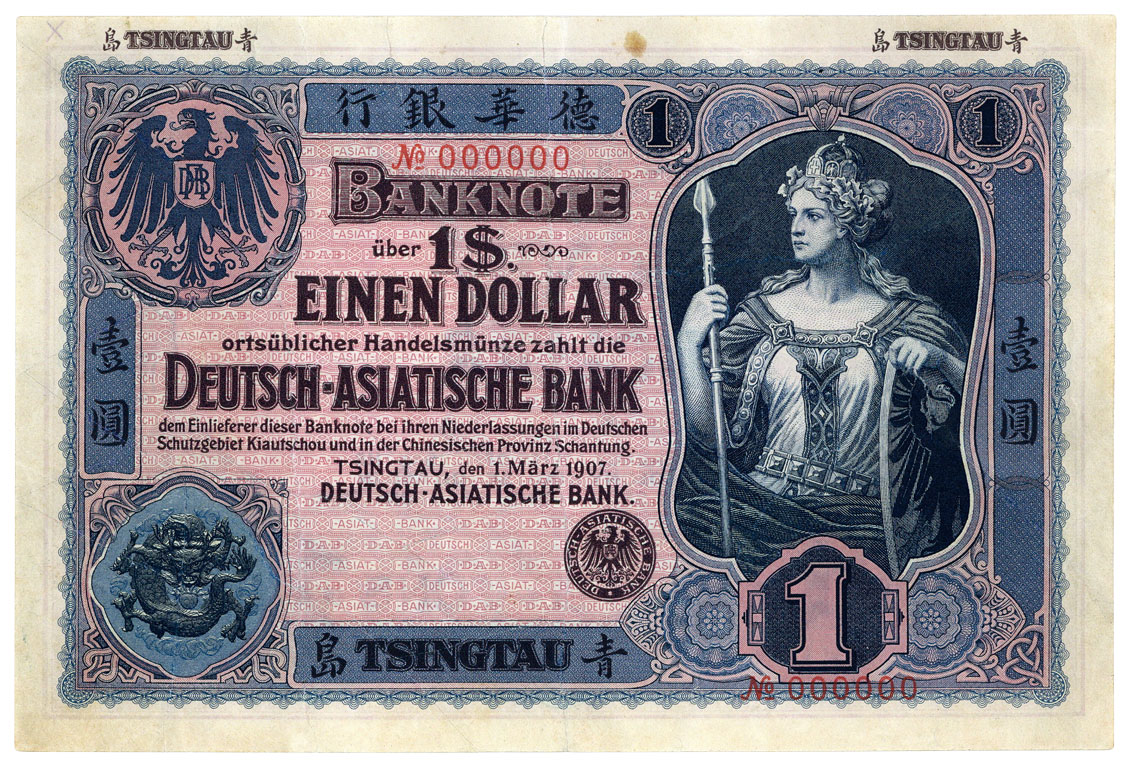
1 Dollar 1.3.1907, Tsingtao.
Condition: very rare, restored
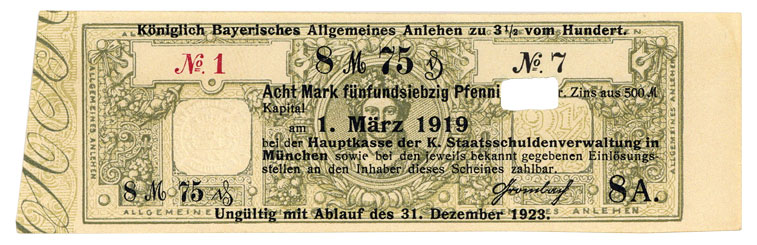
Royal Bavarian General Loan.
8.75 Marks, March 1, 1919.
Condition: rare, I
Archive: People and Markets
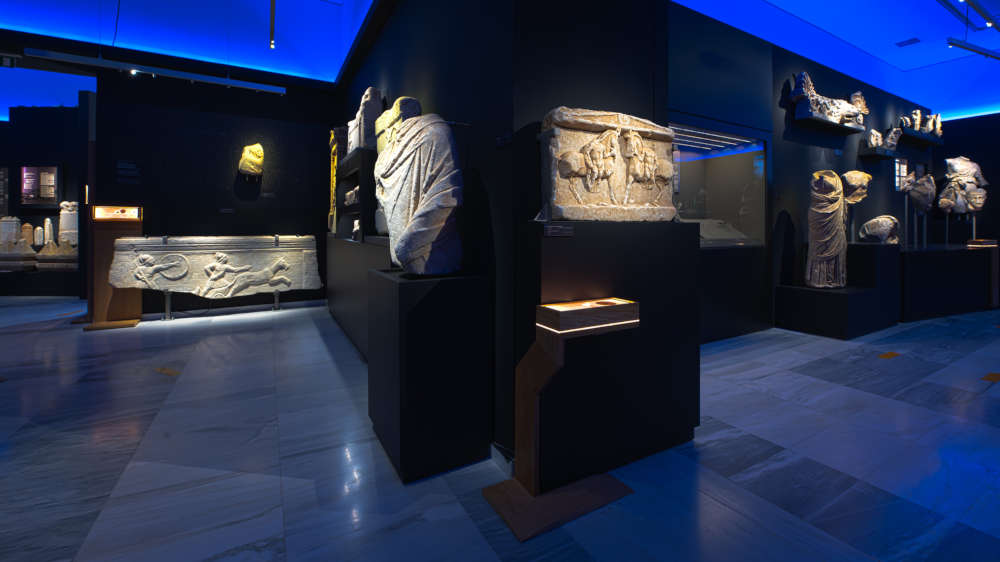
A Numismatic Itinerary Through the Peloponnese
The Archaeological Museum of Tegea in Greece shows in a temporary exhibition how places in the Peloponnese were presented on ancient coins.

IAPN Asks Collectors to Help Protect Roman Coin Collecting
Will Roman coins in general be considered the cultural property of Italy by US Customs unless you can provide extensive proof of ownership? Such concerns are raised by the proposed extension of a Memorandum of Understanding between the US and Italy. The IAPN is calling on collectors to take action.
Archive: Coins, Medals and more
 https://new.coinsweekly.com/wp-content/uploads/2023/06/00ab.jpg
486
1000
Bruno
https://new.coinsweekly.com/wp-content/uploads/2023/01/logo-coinsweekly_590x204.png
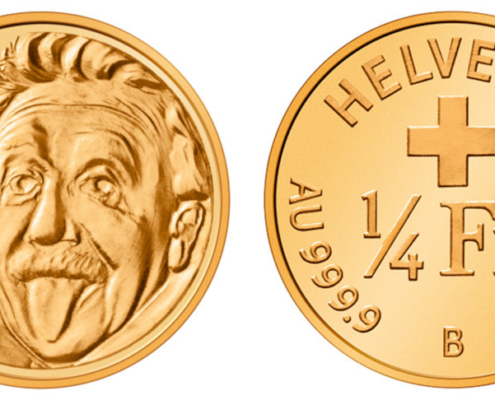
Bruno2022-06-13 13:27:592023-06-29 11:34:06Swissmint, a Mint of Records
https://new.coinsweekly.com/wp-content/uploads/2023/06/00ab.jpg
486
1000
Bruno
https://new.coinsweekly.com/wp-content/uploads/2023/01/logo-coinsweekly_590x204.png
Bruno2022-06-13 13:27:592023-06-29 11:34:06Swissmint, a Mint of Records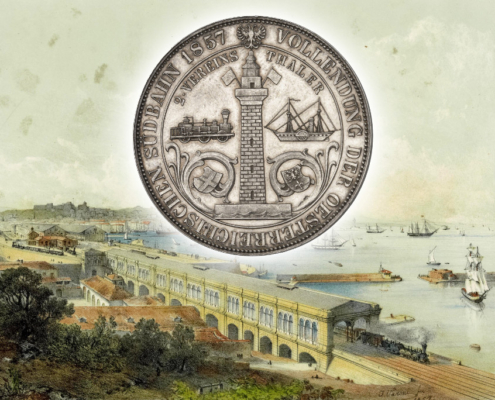 https://new.coinsweekly.com/wp-content/uploads/2024/05/2024KW22HA_00.jpg
684
860
Ursula Kampmann
https://new.coinsweekly.com/wp-content/uploads/2023/01/logo-coinsweekly_590x204.png
Ursula Kampmann2024-05-29 09:00:582024-05-29 15:18:10A Commemorative Coin Celebrating the Completion of Austria’s Southern Railway
https://new.coinsweekly.com/wp-content/uploads/2024/05/2024KW22HA_00.jpg
684
860
Ursula Kampmann
https://new.coinsweekly.com/wp-content/uploads/2023/01/logo-coinsweekly_590x204.png
Ursula Kampmann2024-05-29 09:00:582024-05-29 15:18:10A Commemorative Coin Celebrating the Completion of Austria’s Southern Railway
£50,000 Reward for Clues on Stolen Scottish Coin Collection
Until today, the 2007 theft of the Lord Stewartby Collection, one of the finest private collections of Scottish coins, remains unsolved. Crimestoppers and the Hunterian Museum in Glasgow are now offering up to £50,000 for information leading to the conviction of those involved.
Your Tax Dollars at Work
Is the State Department funding a crusade against private ownership of cultural goods in the U.S.? Peter Tompa explains how taxpayer money was used to justify cultural property Memorandums of Understanding (MOUs) or “emergency import restrictions.”