





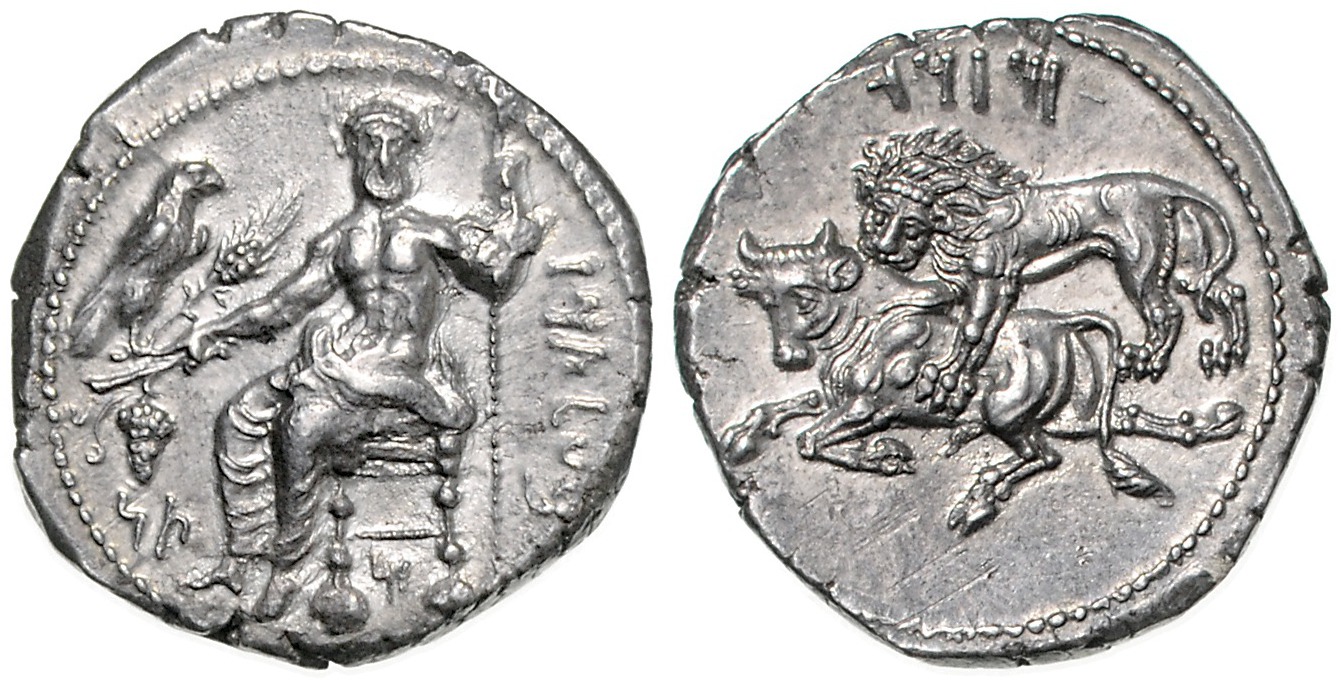
Persian satrap Mazzaios.
AR Stater (361-334 BC)
with Baal of Tarsus.
Condition: ef.
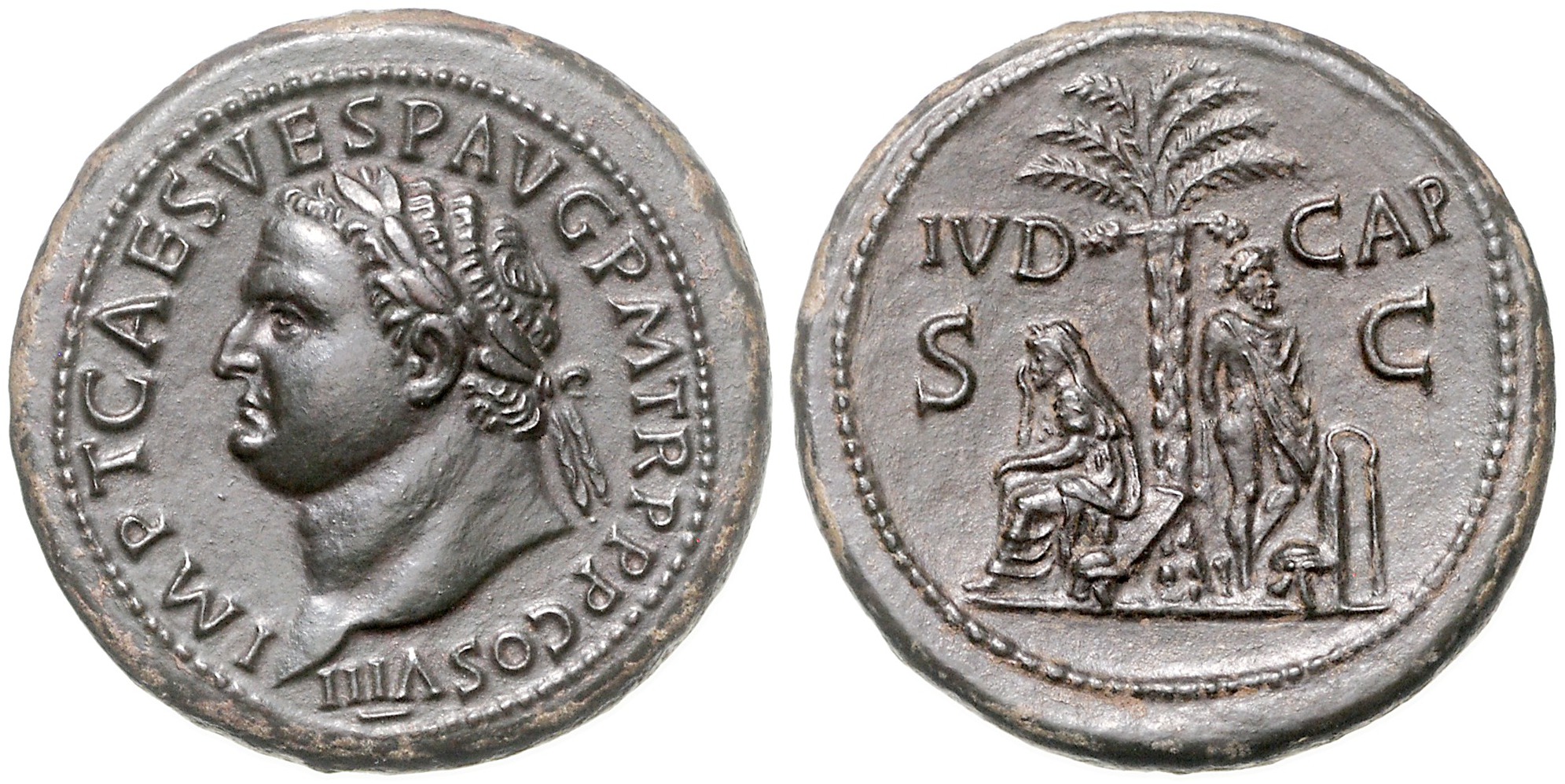
AE Sestertius (AD 80–81), Rome.
"Judaea Capta" type.
Condition: rare, ef.
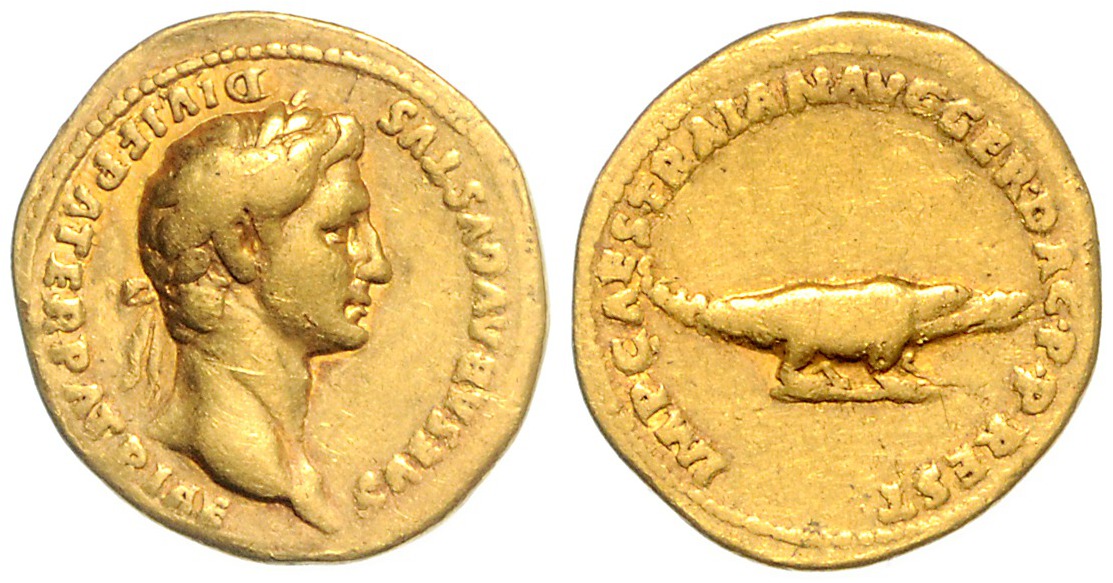
AV Aureus (AD 107–113), Rome.
Restitution issue honoring Augustus.
Condition: extremely rare, near vf.
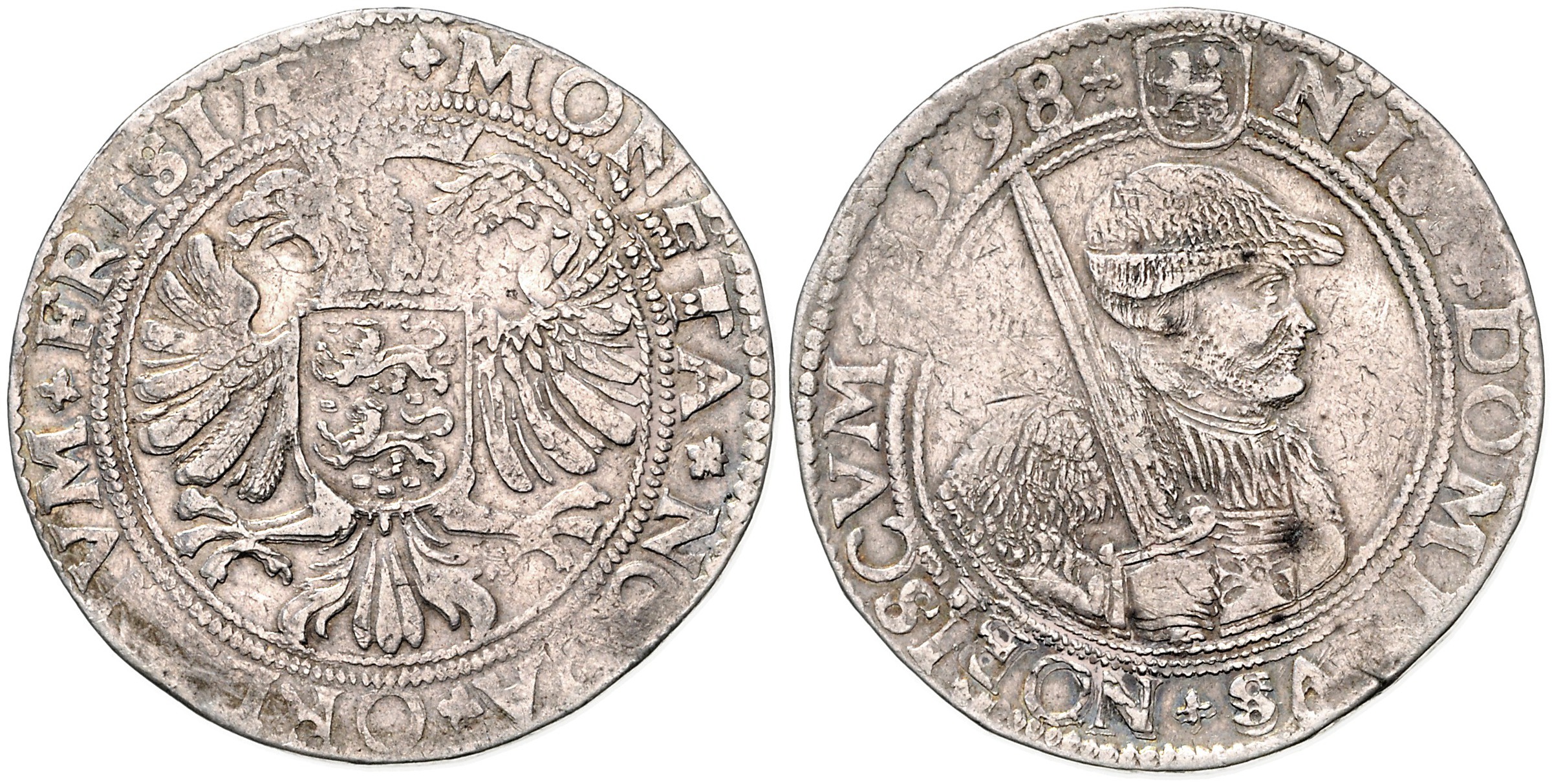
Arendsrijksdaalder (Eagle Rixdollar), 1598.
Condition: very rare, vf.
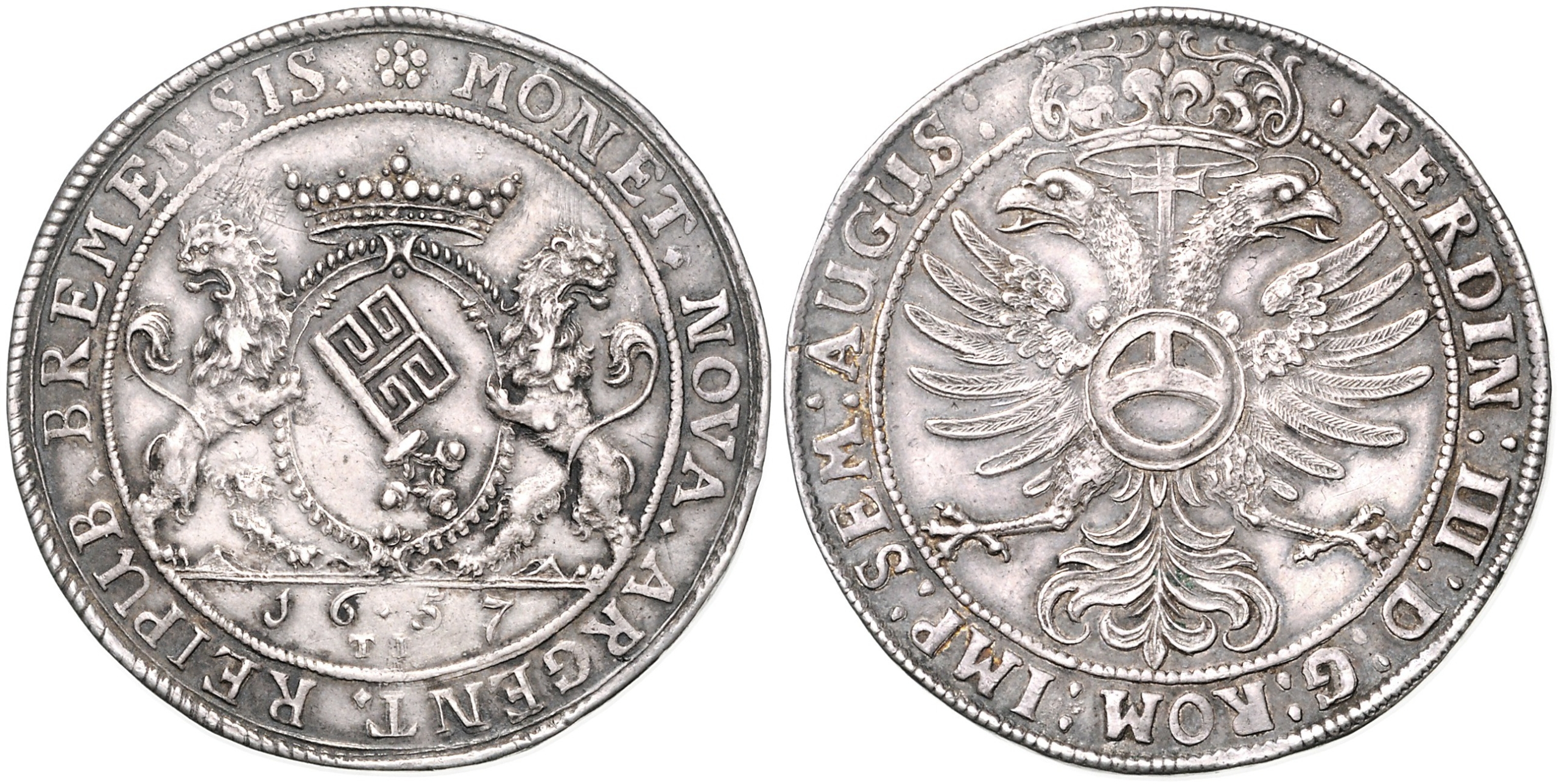
Thaler, 1657.
Bearing the title of Ferdinand III.
Condition: near ef/ef.
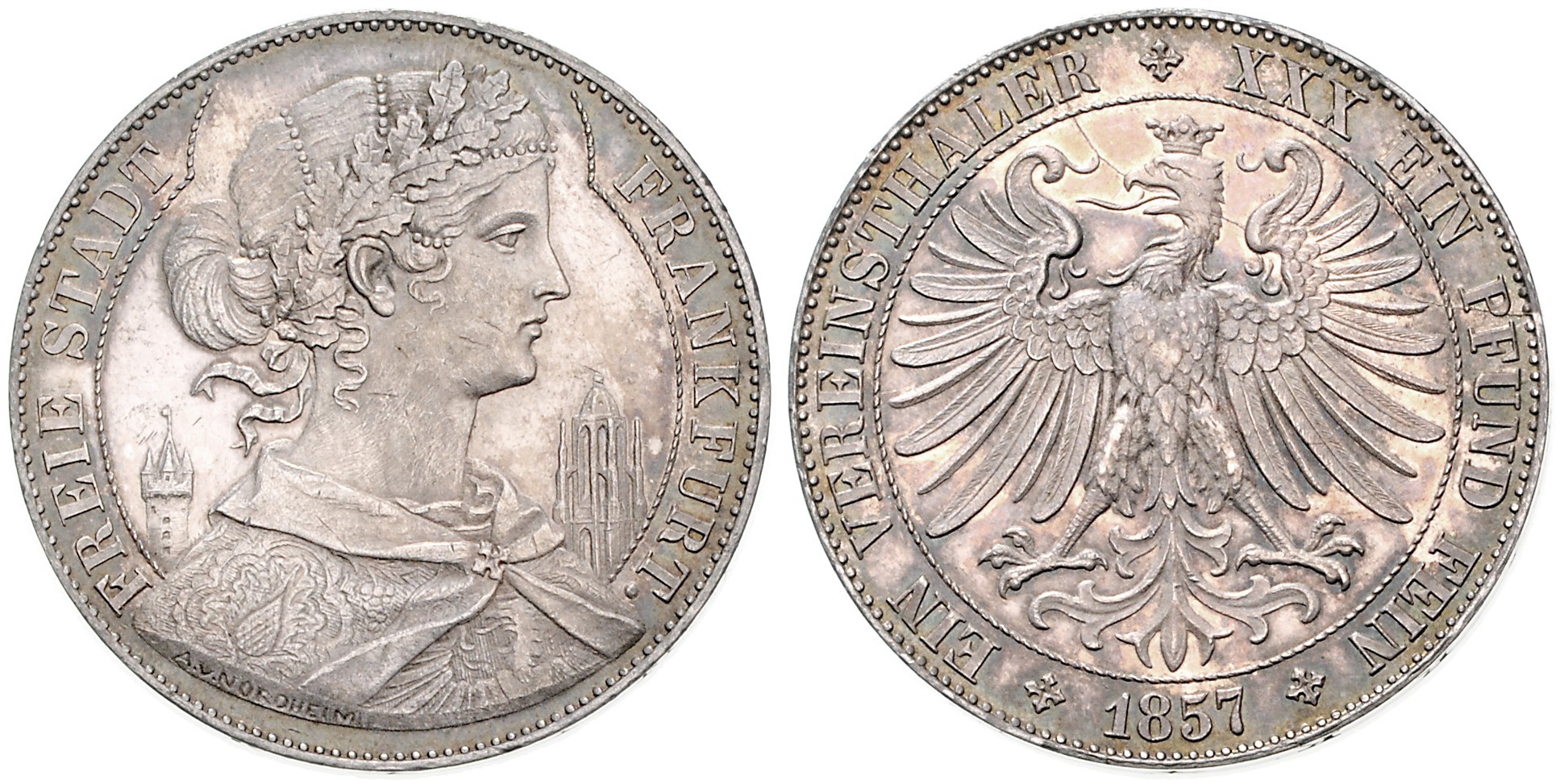
Vereinstaler 1857.
Condition: attr. piece, first strike.
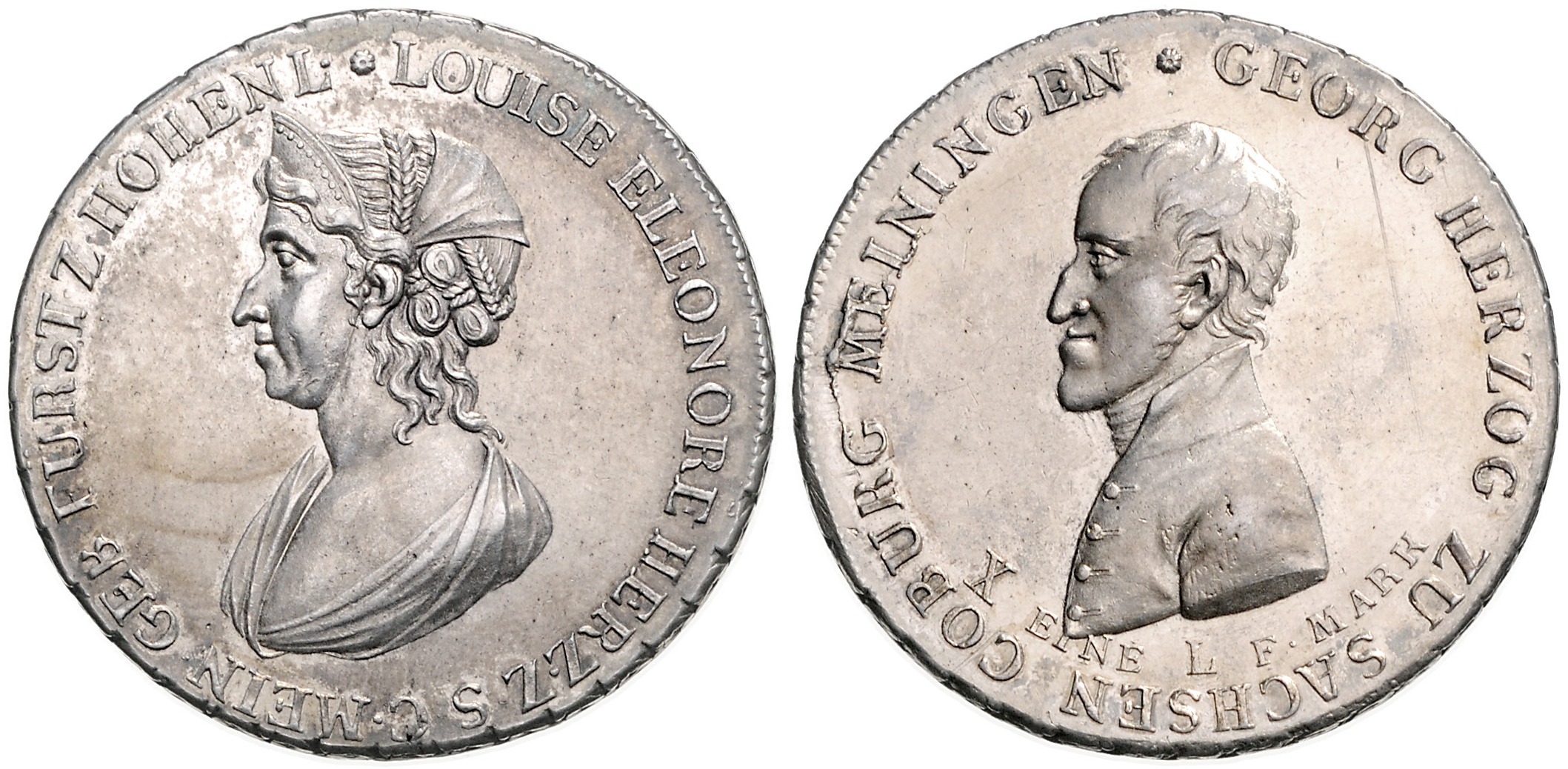
Convention thaler, n.d. (after 1803),
issued on the death of Duke Georg.
Condition: extremely rare, unc.
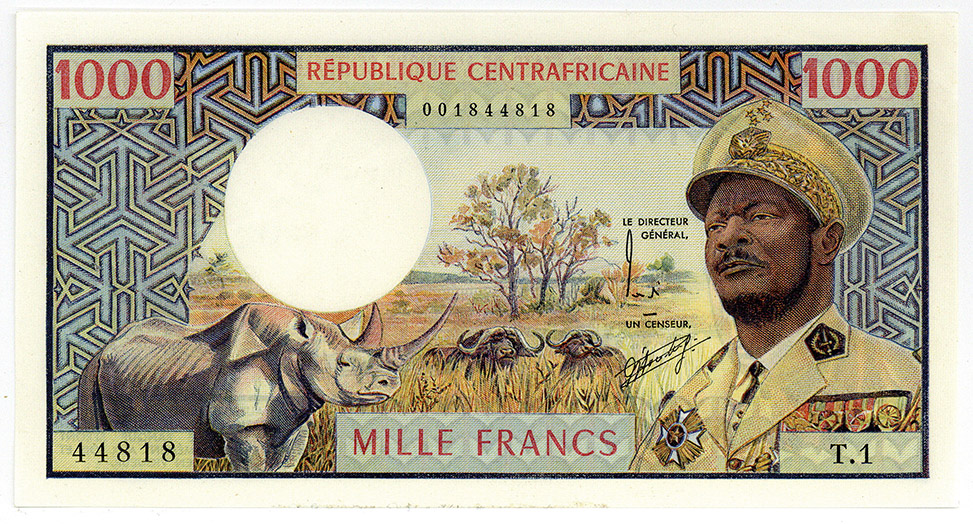
Banque des États de l'Afrique Centrale,
1000 francs 1974.
Condition: I-.
Archive: People and Markets
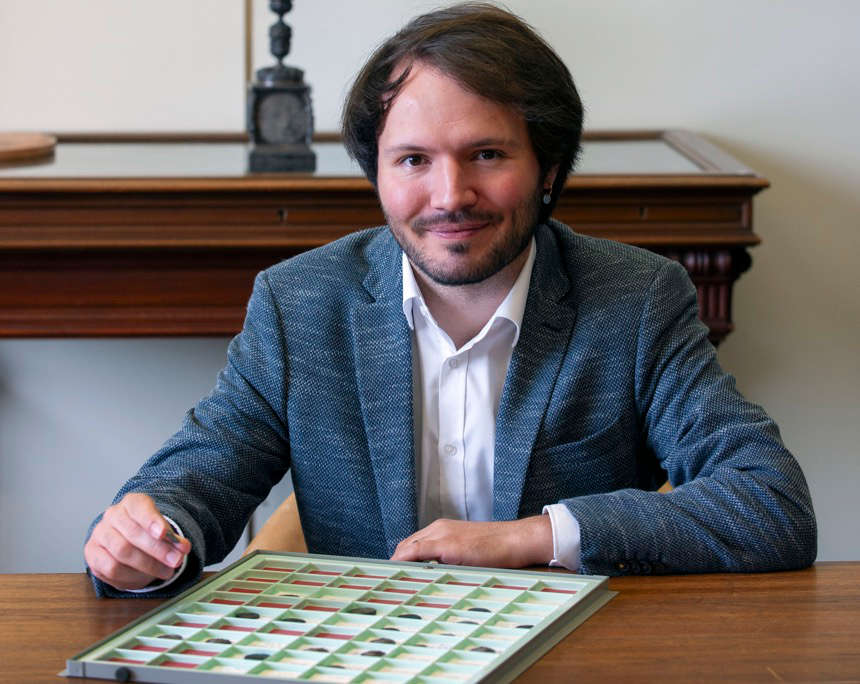
Nick Vaneerdewegh is the New Conservator of the Brussels Coin Cabinet
As of 19 August 2024, Nick Vaneerdewegh has been appointed as the new conservator of the Brussels Coin Cabinet, which houses one of the finest public numismatic collections in the world.
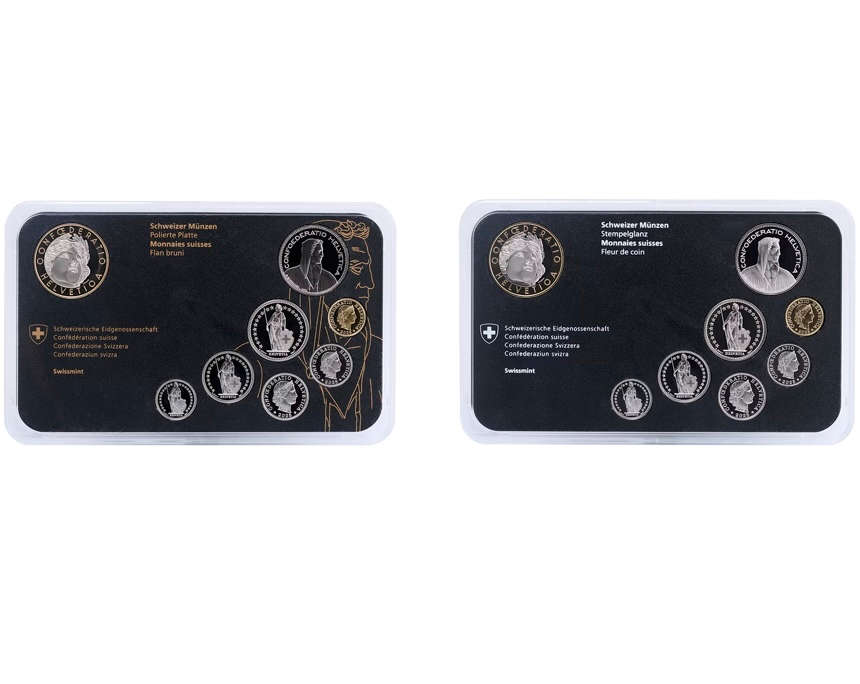
Swissmint Issue Programme 2025
Swissmint unveils its issue programme for 2025, featuring six commemorative coins across various denominations.
Archive: Coins, Medals and more
 https://new.coinsweekly.com/wp-content/uploads/2024/07/2024KW30HA_00.jpg
684
860
Sebastian Wieschowski
https://new.coinsweekly.com/wp-content/uploads/2023/01/logo-coinsweekly_590x204.png
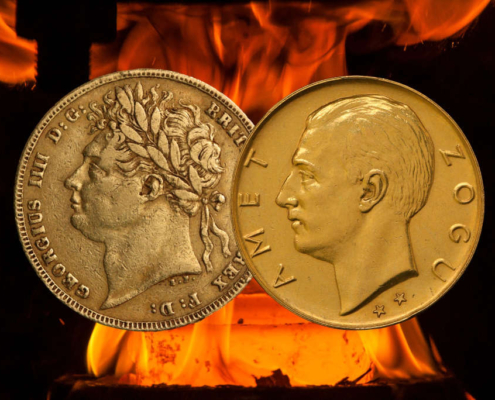
Sebastian Wieschowski2024-07-25 09:00:162024-07-25 09:26:11Gold at Record Highs: Melt Down or Preserve Historic Gold Coins?
 https://new.coinsweekly.com/wp-content/uploads/2024/05/2024KW21HA_00.jpg
684
860
Ursula Kampmann
https://new.coinsweekly.com/wp-content/uploads/2023/01/logo-coinsweekly_590x204.png
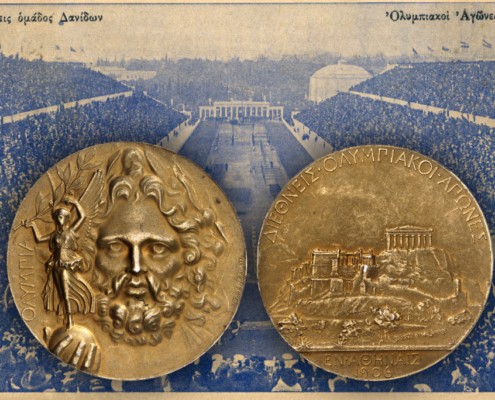
Ursula Kampmann2024-05-23 10:47:532024-05-23 11:04:37The Olympic Games That Are No Longer Recognized
Next Week, It’s Time for the Coin Conference 2024!
From 28 to 30 October, the central banks and mints will meet in Lisbon to discuss the challenges the coin sector faces today. Ursula Kampmann will also be there. She’s responsible for a workshop on “Commemorative Coins for an International and a Domestic Market.”
Where Did Silver Come from in Early Medieval Europe?
In the mid-7th century, a veritable silver coin boom set off in the North Sea Region. So far, the question of where the silver for the coins came from was up for speculation. A new study provides concrete results.