







Archive: People and Markets
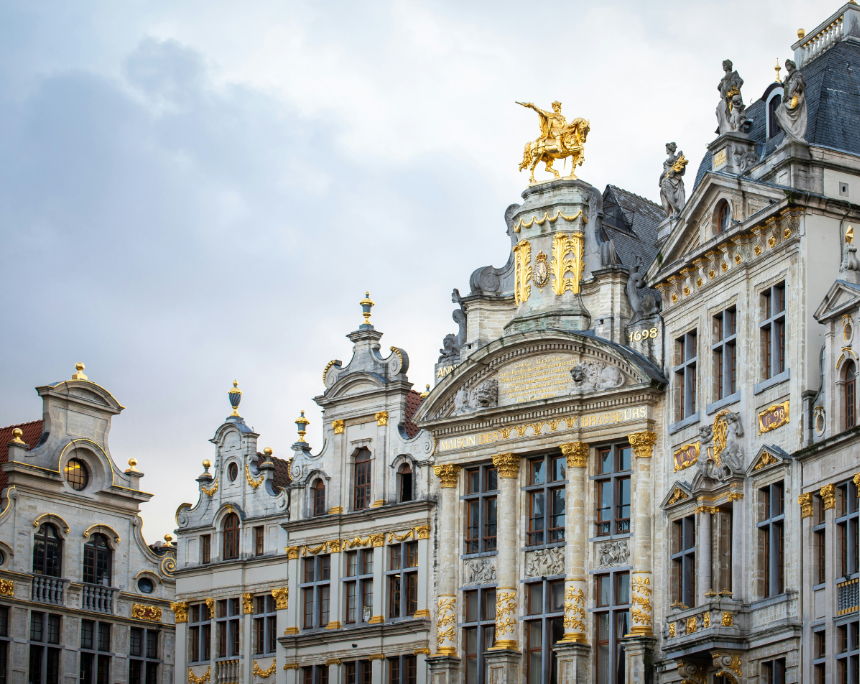
Putting Survival Ratios of Ancient Coinages Into Perspective – Here Comes the Program!
On 5th October 2024, the 7th International Numismatic Conference of the Coin Cabinet of the Royal Library of Belgium will be held in Brussels. The Program has now been published.
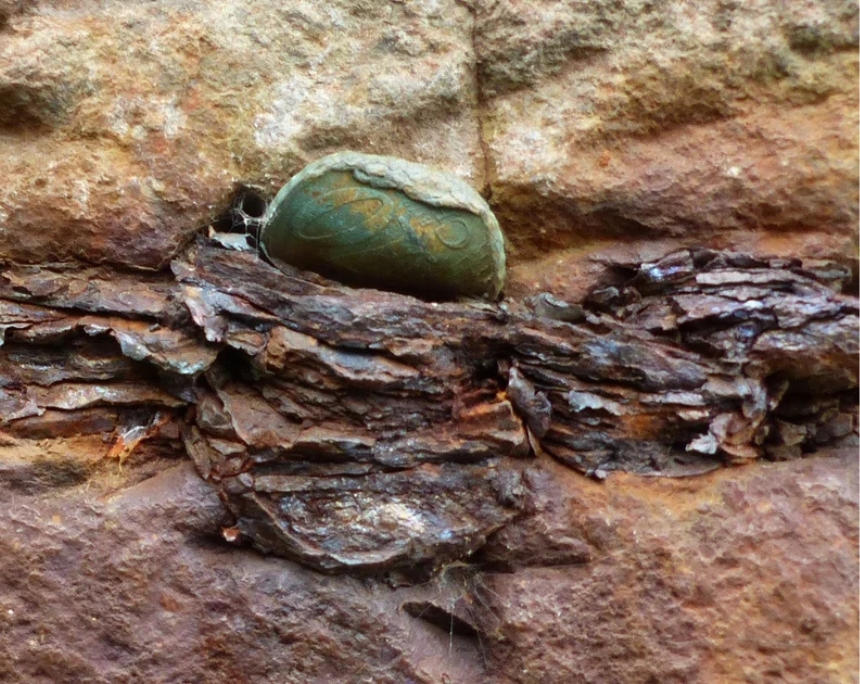
Giant’s Causeway: A Natural Wonder at Risk – Because of Coins?
One of Britain’s most iconic natural landmarks is under threat – because tourists are decorating the famous basalt columns of the Giant’s Causeway with coins. What may seem like a well-meaning gesture is now causing increasing damage to the geologically unique rock formation.
Archive: Coins, Medals and more
 https://new.coinsweekly.com/wp-content/uploads/2025/02/2025KW09HA01_00.jpg
684
860
Lucie Loechel
https://new.coinsweekly.com/wp-content/uploads/2023/01/logo-coinsweekly_590x204.png
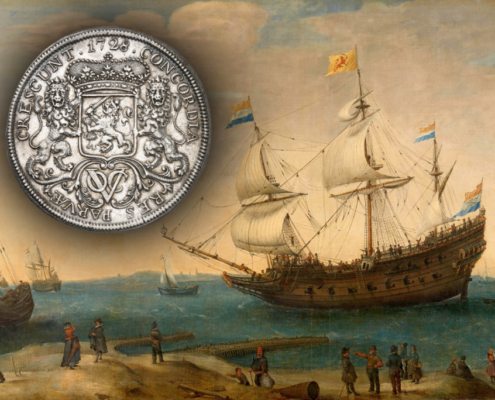
Lucie Loechel2025-02-27 10:27:202025-02-27 12:01:04VOC: The Other Side of the Dutch Golden Age
https://new.coinsweekly.com/wp-content/uploads/2025/02/2025KW09HA01_00.jpg
684
860
Lucie Loechel
https://new.coinsweekly.com/wp-content/uploads/2023/01/logo-coinsweekly_590x204.png
Lucie Loechel2025-02-27 10:27:202025-02-27 12:01:04VOC: The Other Side of the Dutch Golden Age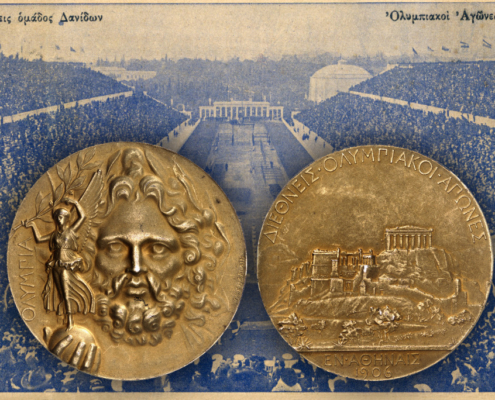 https://new.coinsweekly.com/wp-content/uploads/2024/05/2024KW21HA_00.jpg
684
860
Ursula Kampmann
https://new.coinsweekly.com/wp-content/uploads/2023/01/logo-coinsweekly_590x204.png
Ursula Kampmann2024-05-23 10:47:532024-05-23 11:04:37The Olympic Games That Are No Longer Recognized
https://new.coinsweekly.com/wp-content/uploads/2024/05/2024KW21HA_00.jpg
684
860
Ursula Kampmann
https://new.coinsweekly.com/wp-content/uploads/2023/01/logo-coinsweekly_590x204.png
Ursula Kampmann2024-05-23 10:47:532024-05-23 11:04:37The Olympic Games That Are No Longer Recognized
Leu Numismatik Sponsors the New Friedrich Imhoof-Blumer Fellowship in Winterthur
Leu Numismatik is supporting the new Friedrich Imhoof-Blumer Fellowship at the Coin Cabinet in Winterthur, which will be awarded for the first time in 2025. The fellowship, endowed with CHF 3,000, is aimed at early-career researchers working on a numismatic project. Application deadline: June 30, 2025.
New CIT Issue: Reconstruction – Elephant
With the Reconstruction series, CIT presents a new type of coin design, showcasing once again the ingenious way in which B. H. Mayer’s Kunstprägeanstalt transforms the demanding designs of the Liechtenstein innovators into minted objects.