







Archive: People and Markets

A Numismatist at the Head of the British Museum?
Following the resignation of the British Museum’s director and his deputy, the board of trustees has already filled one position on an interim basis. Surprisingly, the numismatist Sir Mark Jones has been proposed as interim director.
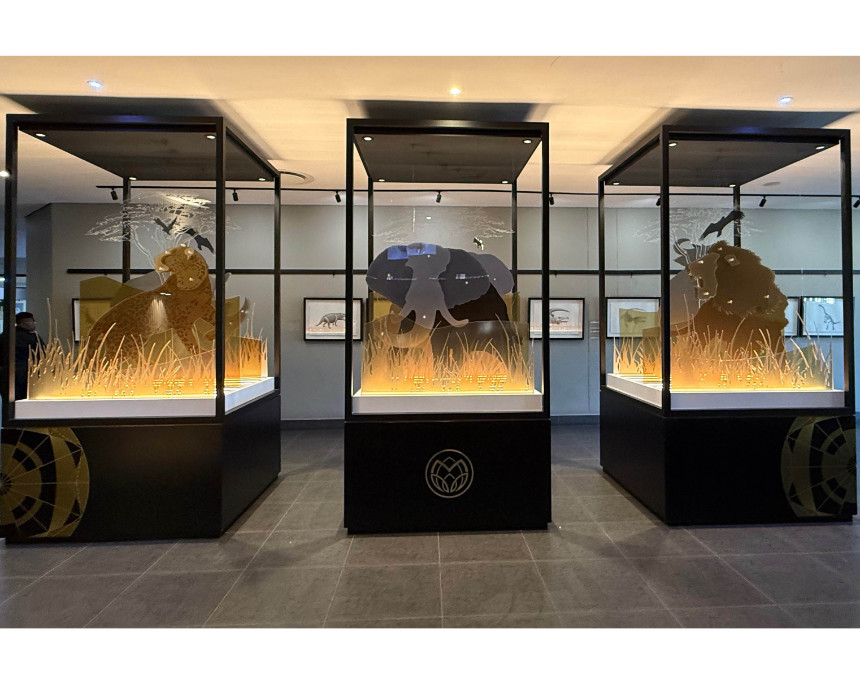
The South African Mint: Africa’s Largest Mint
At the end of my trip to South Africa, I have the unique opportunity to visit the South African Mint. I’m taking you along on my visit, and that’s something very special: normally, taking photos inside the South African Mint isn’t permitted!
Archive: Coins, Medals and more
 https://new.coinsweekly.com/wp-content/uploads/2023/10/2023KW41HA_00.jpg
684
860
Ursula Kampmann
https://new.coinsweekly.com/wp-content/uploads/2023/01/logo-coinsweekly_590x204.png
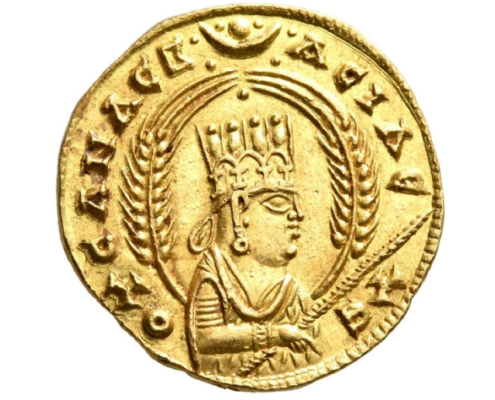
Ursula Kampmann2023-10-12 12:33:032023-10-12 14:04:09An Introduction to Axumite Coinage
https://new.coinsweekly.com/wp-content/uploads/2023/10/2023KW41HA_00.jpg
684
860
Ursula Kampmann
https://new.coinsweekly.com/wp-content/uploads/2023/01/logo-coinsweekly_590x204.png
Ursula Kampmann2023-10-12 12:33:032023-10-12 14:04:09An Introduction to Axumite Coinage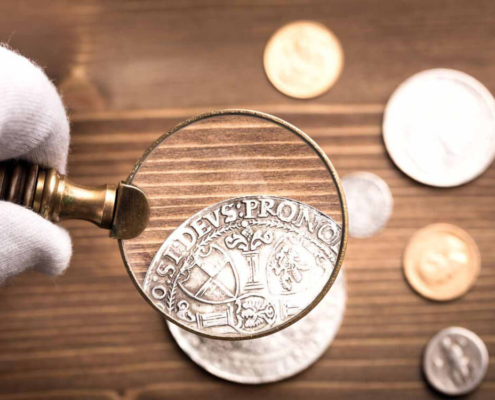 https://new.coinsweekly.com/wp-content/uploads/2023/06/00_Value_of_coins.jpg
750
1000
Bruno
https://new.coinsweekly.com/wp-content/uploads/2023/01/logo-coinsweekly_590x204.png
Bruno2022-06-13 10:56:082023-06-27 11:29:37Planchet Error, Overstrike, Double-Strike, Etc.: Which Errors Affect the Price of a Coin? – Part 1
https://new.coinsweekly.com/wp-content/uploads/2023/06/00_Value_of_coins.jpg
750
1000
Bruno
https://new.coinsweekly.com/wp-content/uploads/2023/01/logo-coinsweekly_590x204.png
Bruno2022-06-13 10:56:082023-06-27 11:29:37Planchet Error, Overstrike, Double-Strike, Etc.: Which Errors Affect the Price of a Coin? – Part 1
Interview: Are Modern Collector Coins a Sensible Investment?
It is becoming increasingly popular to buy coins as a form of investment, but this can be risky if the buyer lacks the necessary expertise. We spoke to someone who really knows their stuff: Dirk Wasserthal, Managing Director of RareCoin.Store and expert in rarities of modern numismatics, tells us what to look out for.
Lars Emil Bruun (1852–1923): From the Local Inn to an International Enterprise
The auction of the exceptional Bruun collection, 100 years after the collector’s death, has attracted a great deal of attention. But who was Bruun as a person? What inspired him? On behalf of Stack’s, Ursula Kampmann went in search of Bruun’s personality and compiled a short biography.