







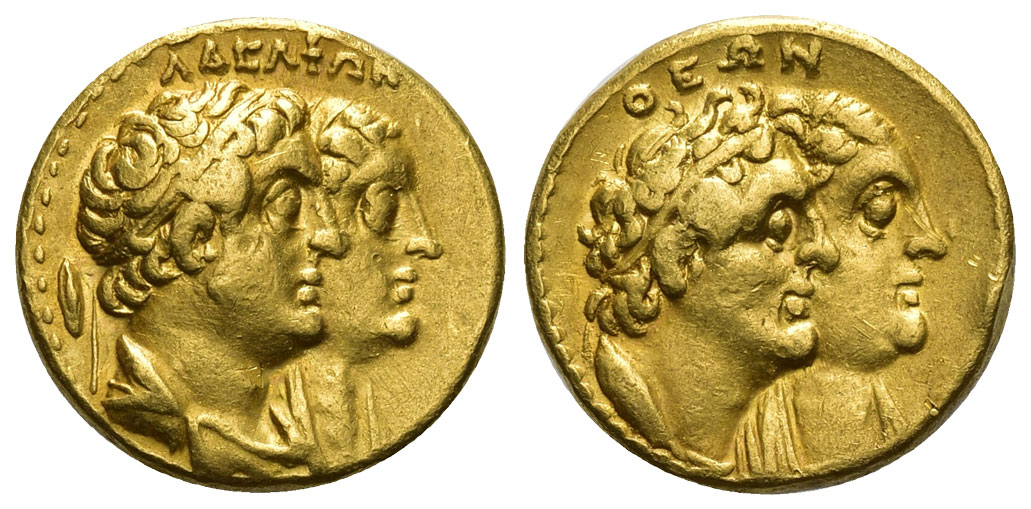
AV Tetradrachm (282–272 BC),
King Ptolemy II and Queen Arsinoe II.
From the major collection of Alexandria mint.
Condition: vf+
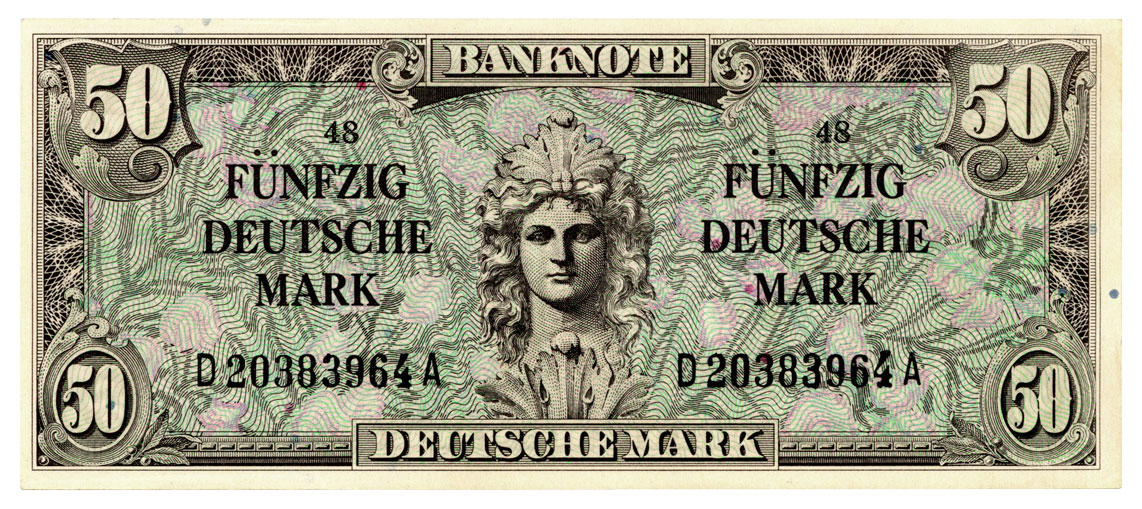
50 Deutsche Mark o.D. ( 1948-1949) "Liberty".
Condition: extremly rare, I
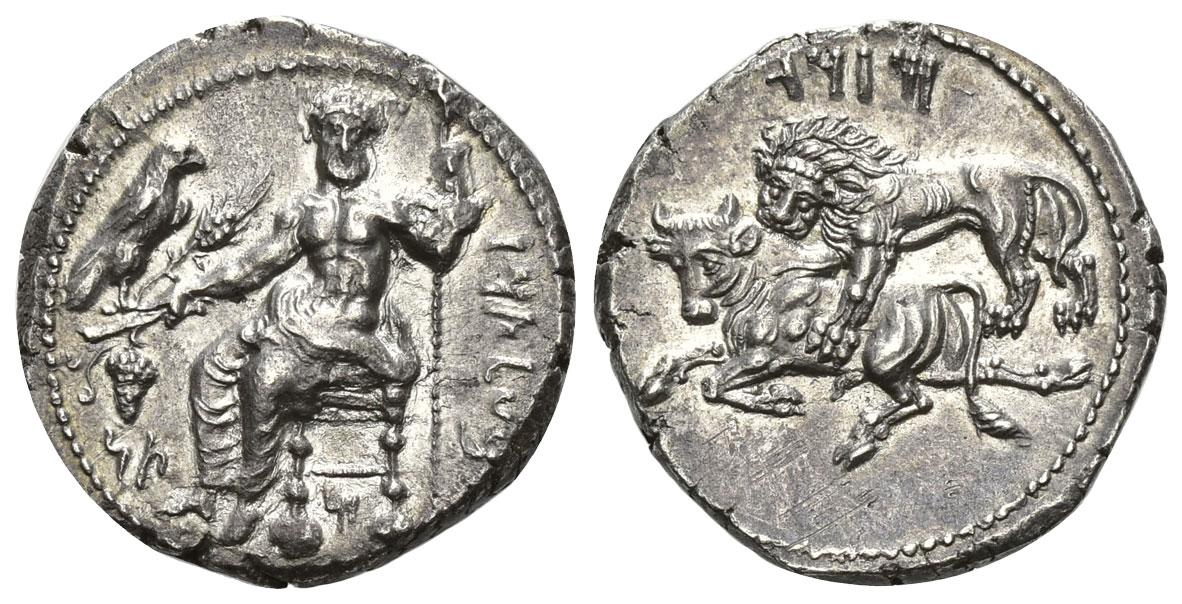
AR Stater (361-334 BC).
Obv. Baal of Tarsos.
Conditon: ef
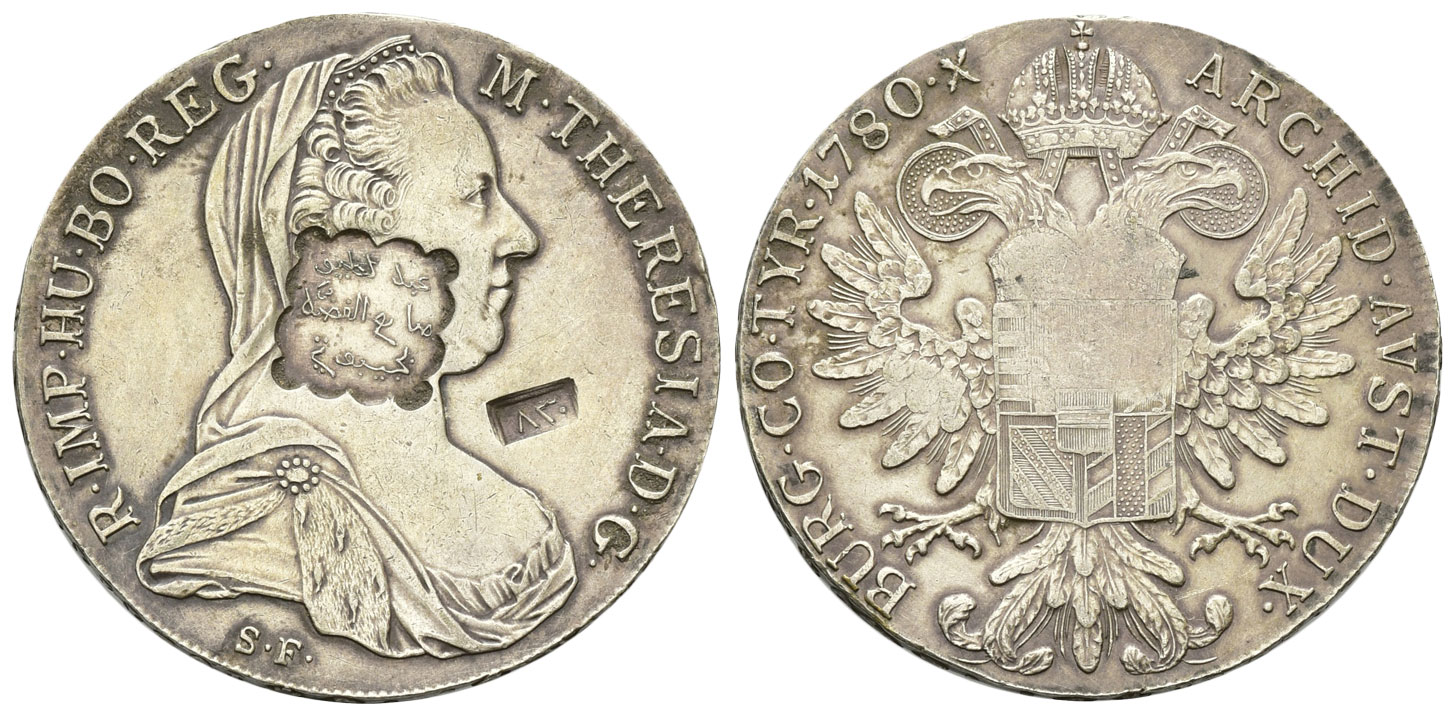
Taler 1780 SF
with counter stamp Djibouti (1870-1900).
Condition: vf
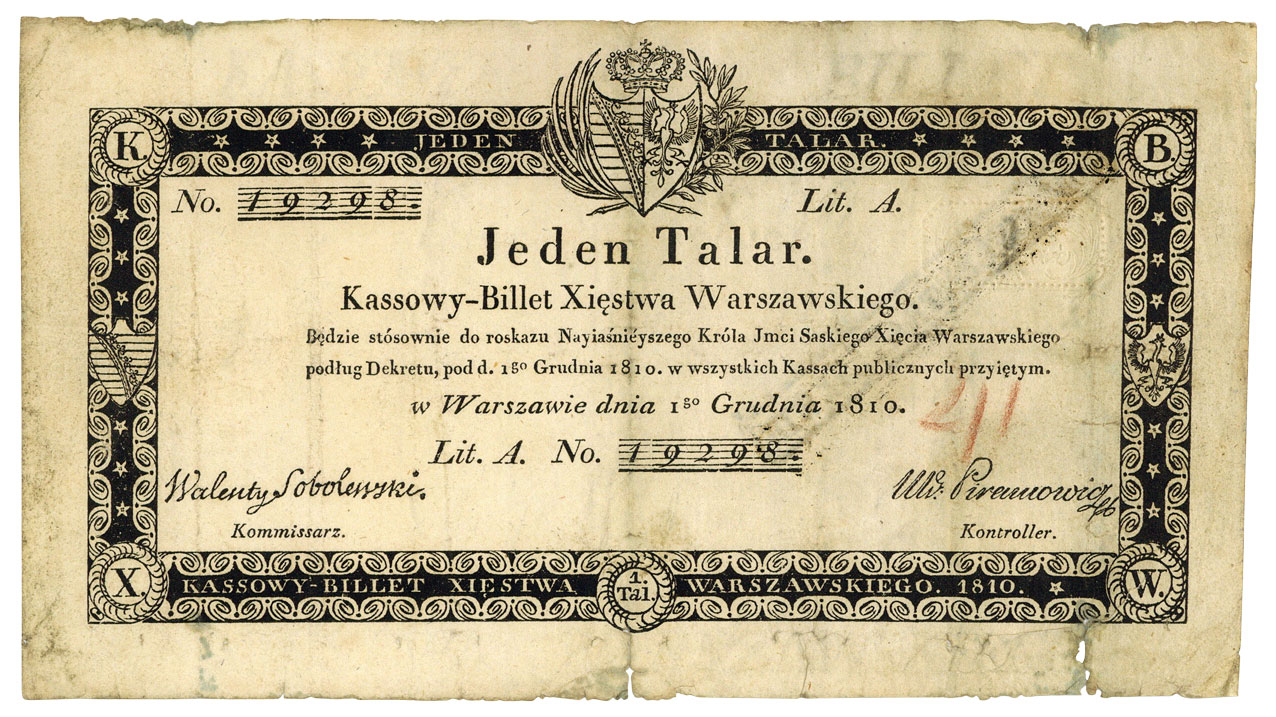
1 Talar 1. December 1810.
Condition: III-IV
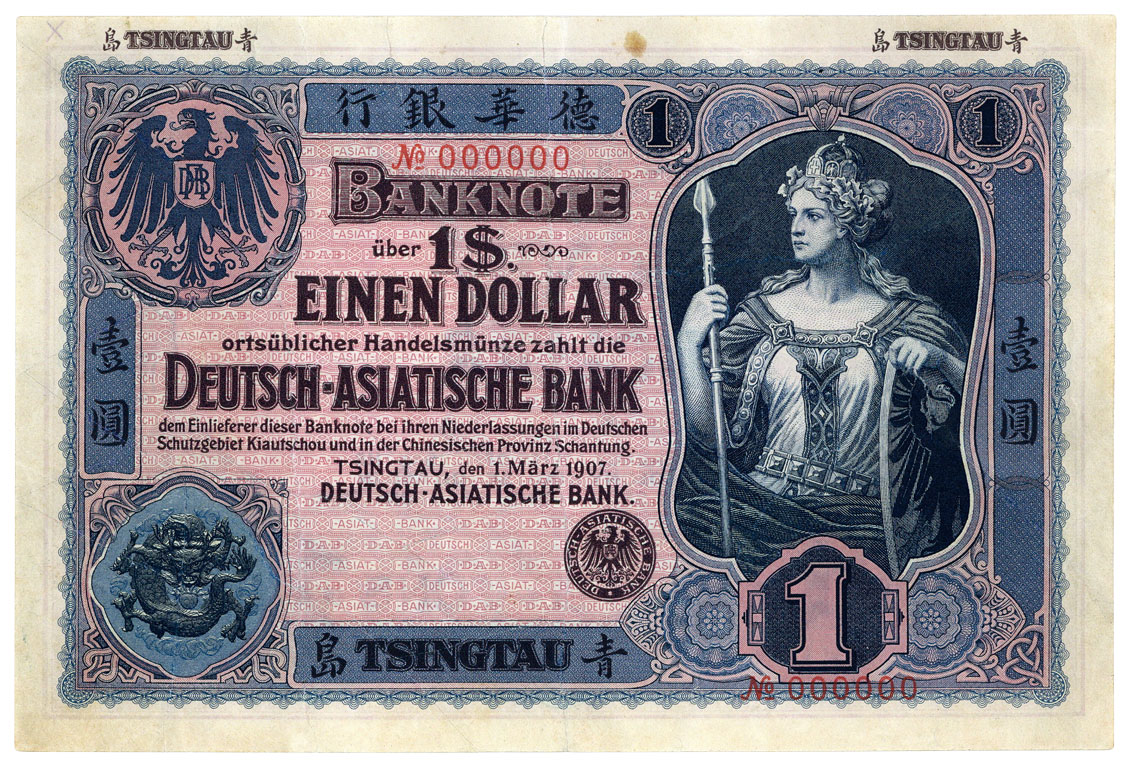
1 Dollar 1.3.1907, Tsingtao.
Condition: very rare, restored
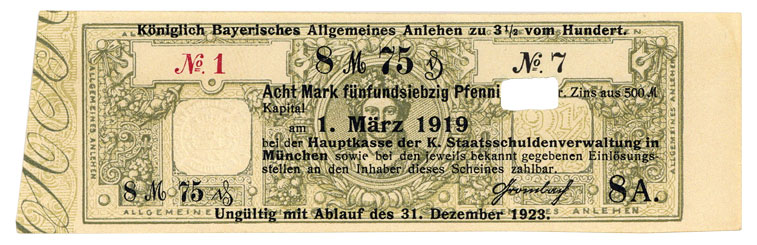
Royal Bavarian General Loan.
8.75 Marks, March 1, 1919.
Condition: rare, I
Archive: People and Markets

Red Alert at the British Museum
Thousands of objects have disappeared from the British Museum – allegedly stolen by a senior curator. The matter was uncovered by an antiquities dealer, whose warnings fell on deaf ears. The museum’s director has stepped down, and this seems to be merely the tip of the iceberg.
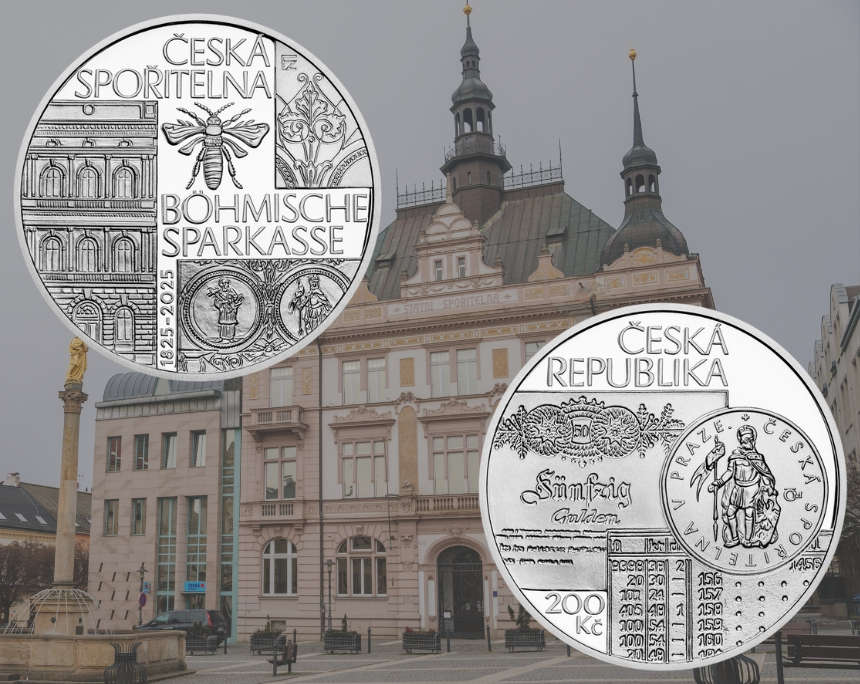
200 Years of the Bohemian Savings Bank: A Piece of Monetary History in Coin Form
In 2025, the Czech National Bank will issue a silver commemorative coin with a nominal value of 200 koruna. The coin marks the founding of the Bohemian Savings Bank.
Archive: Coins, Medals and more
 https://new.coinsweekly.com/wp-content/uploads/2023/12/2023KW51HA_00.jpg
684
860
Ursula Kampmann
https://new.coinsweekly.com/wp-content/uploads/2023/01/logo-coinsweekly_590x204.png
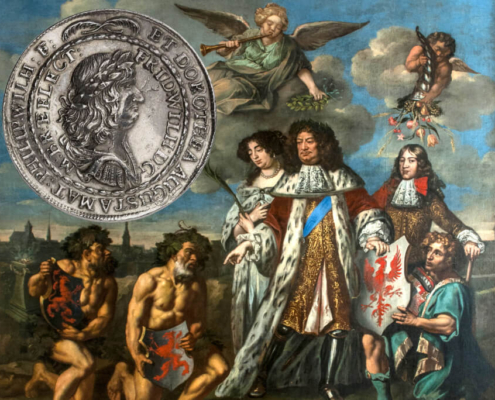
Ursula Kampmann2023-12-21 09:39:422023-12-21 09:51:29The Great Elector, Taxes and the Rise of Prussia
https://new.coinsweekly.com/wp-content/uploads/2023/12/2023KW51HA_00.jpg
684
860
Ursula Kampmann
https://new.coinsweekly.com/wp-content/uploads/2023/01/logo-coinsweekly_590x204.png
Ursula Kampmann2023-12-21 09:39:422023-12-21 09:51:29The Great Elector, Taxes and the Rise of Prussia https://new.coinsweekly.com/wp-content/uploads/2025/03/0.jpg
684
860
Sebastian Wieschowski
https://new.coinsweekly.com/wp-content/uploads/2023/01/logo-coinsweekly_590x204.png
Sebastian Wieschowski2025-03-06 06:00:312025-03-06 14:32:55Women on Commemorative Coins: A Long Road to True Equality
https://new.coinsweekly.com/wp-content/uploads/2025/03/0.jpg
684
860
Sebastian Wieschowski
https://new.coinsweekly.com/wp-content/uploads/2023/01/logo-coinsweekly_590x204.png
Sebastian Wieschowski2025-03-06 06:00:312025-03-06 14:32:55Women on Commemorative Coins: A Long Road to True Equality
Solomon Islands New Banknote released in celebration of the XVII Pacific Games
The Central Bank of the Solomon Islands released new $10 commemorative banknotes to commemorate the XVII Pacific Games that the island country will hosting for the first time this year. The new banknote is expected to be widely circulated for use throughout the Solomon Islands.
The Royal Coin Cabinet in Stockholm is going to be closed and stripped down
The Swedish national museum of economy is going to be closed down. This entails the relocation of the Royal Coin Cabinet and its notable library. At this point, no one knows where, when or how the coins and books will be available again. Harald Nilsson reports.