






Archive: People and Markets
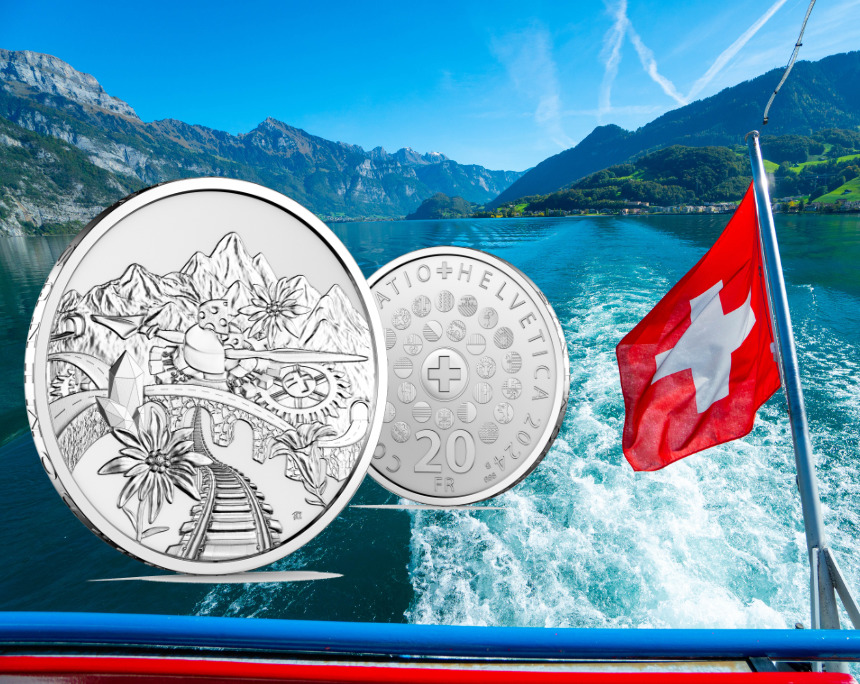
New Swiss Silver Coin “Switzerland”
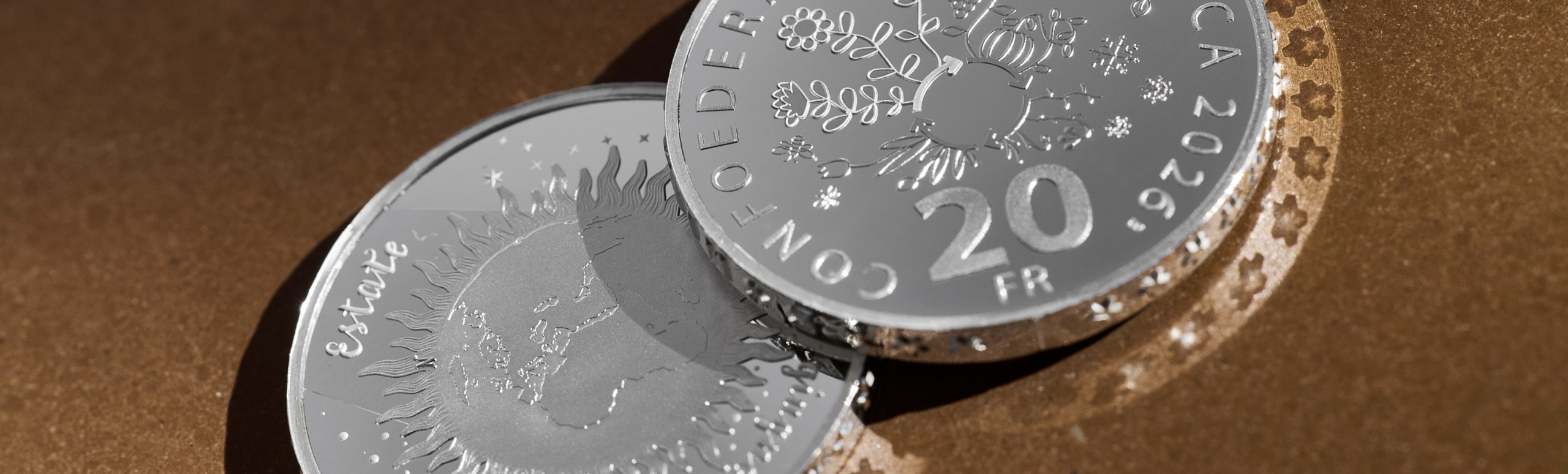
On 12 September 2024, the Federal Mint Swissmint will launch the 20-franc silver coin entitled “Switzerland” in honour of the country becoming a federal state in 1848. The limited-edition special coin will go on sale on Switzerland’s unofficial birthday.
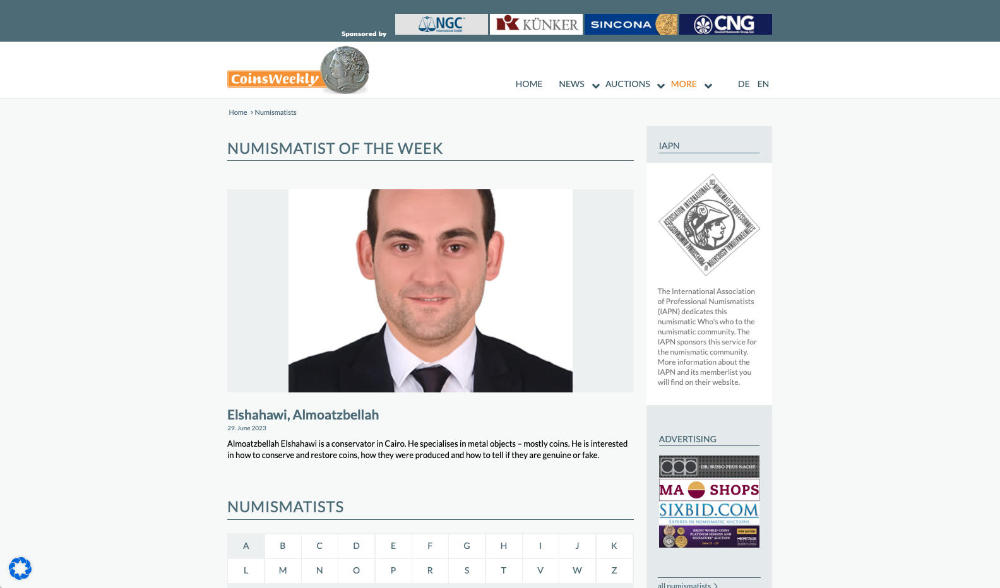
Our Who’s Who Is Here!
Our entire Who’s Who for numismatists and collectors is now available on our new website. This is another important step on our path towards transitioning from our old to the new site. And there is more!
Archive: Coins, Medals and more
 https://new.coinsweekly.com/wp-content/uploads/2024/11/2024KW46HA1_00.jpg
684
860
Lucie Loechel
https://new.coinsweekly.com/wp-content/uploads/2023/01/logo-coinsweekly_590x204.png
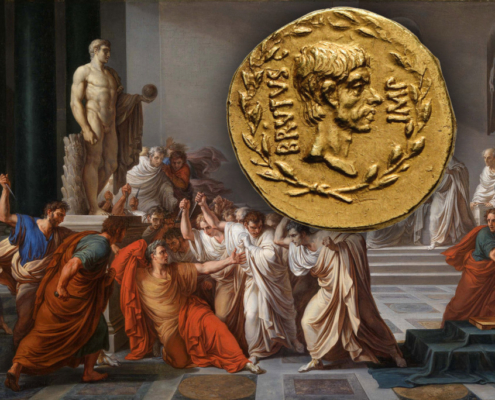
Lucie Loechel2024-11-14 10:03:272024-11-14 10:11:12The Eve of the Battle of Philippi: An Aureus Featuring the Portrait of Brutus
https://new.coinsweekly.com/wp-content/uploads/2024/11/2024KW46HA1_00.jpg
684
860
Lucie Loechel
https://new.coinsweekly.com/wp-content/uploads/2023/01/logo-coinsweekly_590x204.png
Lucie Loechel2024-11-14 10:03:272024-11-14 10:11:12The Eve of the Battle of Philippi: An Aureus Featuring the Portrait of Brutus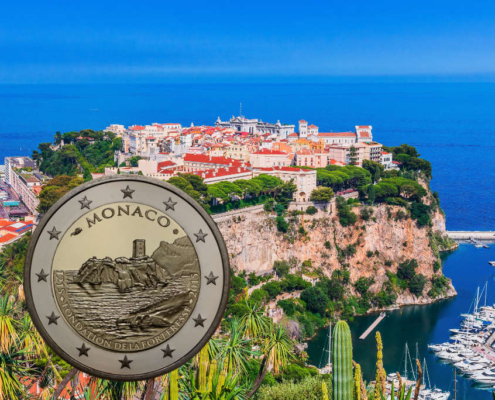 https://new.coinsweekly.com/wp-content/uploads/2024/04/00-2024KW17aHauptartikel.jpeg
684
860
Sebastian Wieschowski
https://new.coinsweekly.com/wp-content/uploads/2023/01/logo-coinsweekly_590x204.png
Sebastian Wieschowski2024-04-25 07:00:362024-04-25 07:52:37A Numismatic Journey Through the Principality of Monaco
https://new.coinsweekly.com/wp-content/uploads/2024/04/00-2024KW17aHauptartikel.jpeg
684
860
Sebastian Wieschowski
https://new.coinsweekly.com/wp-content/uploads/2023/01/logo-coinsweekly_590x204.png
Sebastian Wieschowski2024-04-25 07:00:362024-04-25 07:52:37A Numismatic Journey Through the Principality of Monaco
Bimetallic Coin Celebrates 150 Years of the Swiss Federal Supreme Court
With a 10-franc bimetallic coin, Swissmint commemorates the founding of the Federal Supreme Court of Switzerland 150 years ago. The coin is available today.
Museums, the Coin Market, and the Public – Insights Into a Fruitful Cooperation
On the occasion of the Evento Numismático in Madrid, CoinsWeekly will host an international conference session on the cooperation of all stakeholders in numismatics. We feel honoured that the organisers asked us to contribute to this event.