








Archive: People and Markets
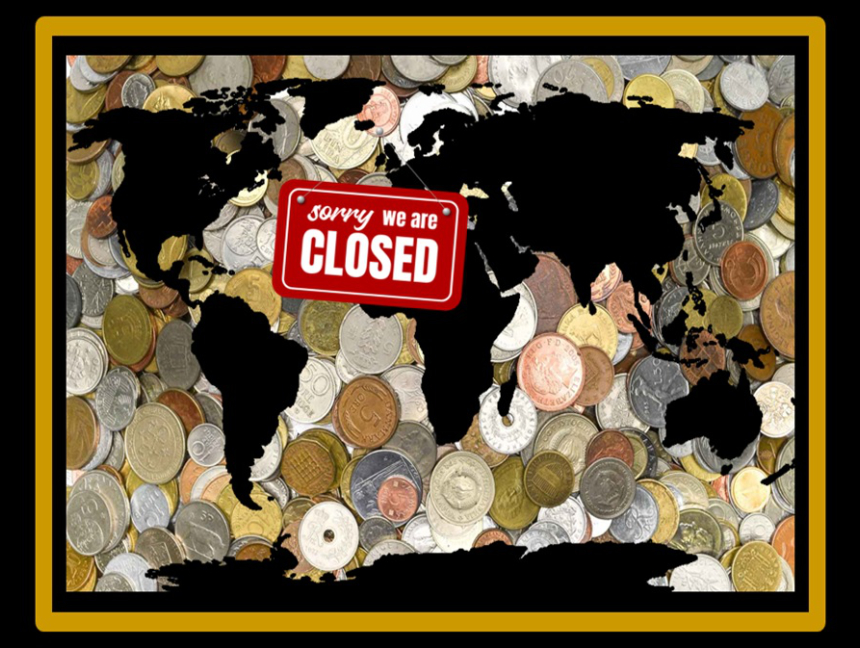
Foreign Coin Production Ends at the Royal Mint – The End of an Era or Another Step Closer to a Cashless Economy?
The Royal Mint has announced that it will no longer produce coins for other countries, ending a business model that it has operated for 700 years. Michael Alexander puts this development into perspective.
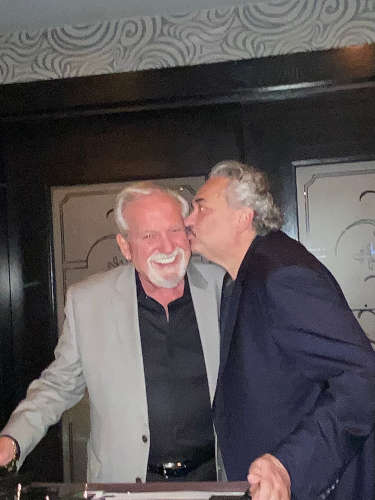
PNG 2023 Lifetime Achievement Award to Robert Brueggeman
Robert Brueggeman has been honored by the Professional Numismatists Guild with the 2023 Harvey G. Stack Lifetime Achievement Award. He was not the only numismatist to be honored with a PNG award.
Archive: Coins, Medals and more
 https://new.coinsweekly.com/wp-content/uploads/2023/06/2023KW25HA01_00.jpg
750
1000
Ursula Kampmann
https://new.coinsweekly.com/wp-content/uploads/2023/01/logo-coinsweekly_590x204.png
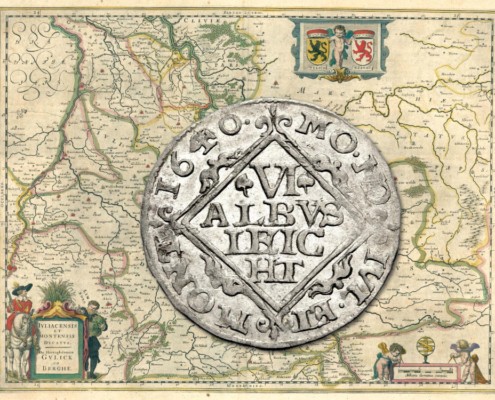
Ursula Kampmann2023-06-21 17:00:302023-06-27 11:18:18A Discovery From Jülich-Berg
https://new.coinsweekly.com/wp-content/uploads/2023/06/2023KW25HA01_00.jpg
750
1000
Ursula Kampmann
https://new.coinsweekly.com/wp-content/uploads/2023/01/logo-coinsweekly_590x204.png
Ursula Kampmann2023-06-21 17:00:302023-06-27 11:18:18A Discovery From Jülich-Berg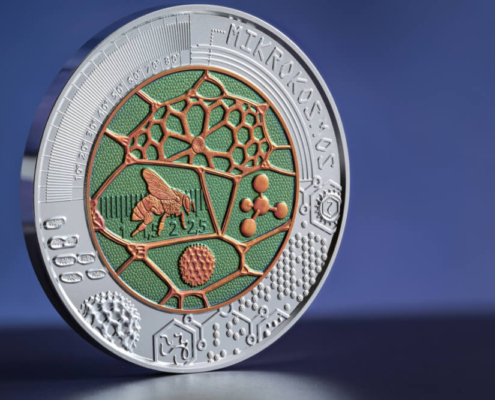 https://new.coinsweekly.com/wp-content/uploads/2023/06/00_shutterstock_1926678794-Kopie.jpg
667
1000
Bruno
https://new.coinsweekly.com/wp-content/uploads/2023/01/logo-coinsweekly_590x204.png
Bruno2022-06-13 11:36:162023-07-03 12:01:36Coloured Metal from Austria: Niobium Coins
https://new.coinsweekly.com/wp-content/uploads/2023/06/00_shutterstock_1926678794-Kopie.jpg
667
1000
Bruno
https://new.coinsweekly.com/wp-content/uploads/2023/01/logo-coinsweekly_590x204.png
Bruno2022-06-13 11:36:162023-07-03 12:01:36Coloured Metal from Austria: Niobium Coins
CIT’s Yin and Yang
With Yin and Yang, CIT presents a completely new interpretation of a time-honored theme. The piece owes its special aesthetics to the brilliant combination of Proof smartminting® and Black Proof smartminting®.
NYINC: The Favourite of All Those Who Love Ancient Coins
Why is the New York International Numismatic Convention the top place to go when it comes to ancient coins? Ursula Kampmann has the answer and explains what will be new and different in New York in 2024.