






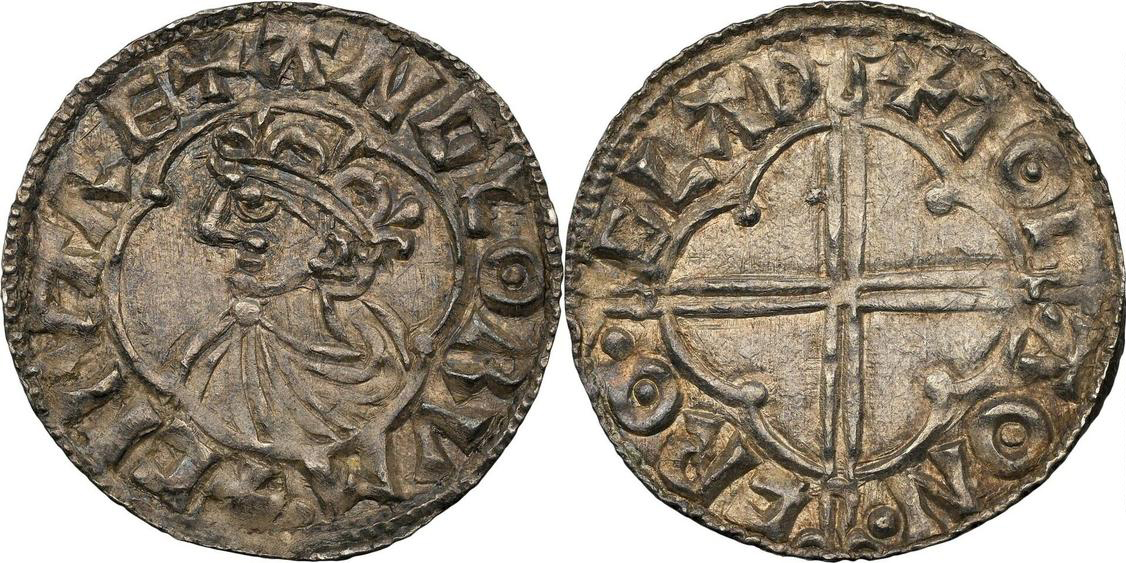
Penny, ND (1016-23).
Cricklade Mint. Cnut.
NGC MS-64.

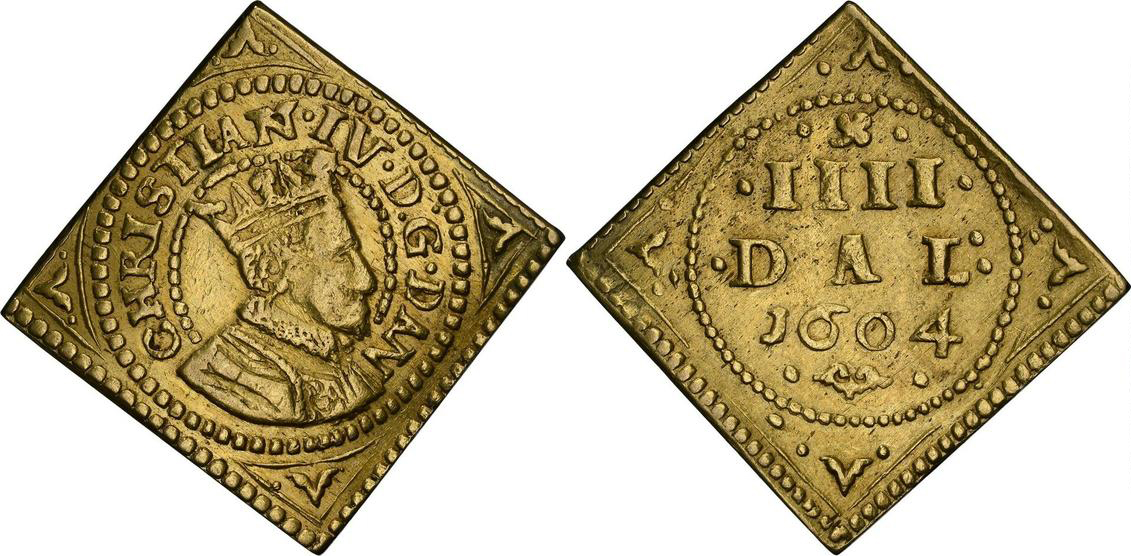
4 Daler Klippe, 1604.
Copenhagen Mint. Christian IV.
NGC AU Details.
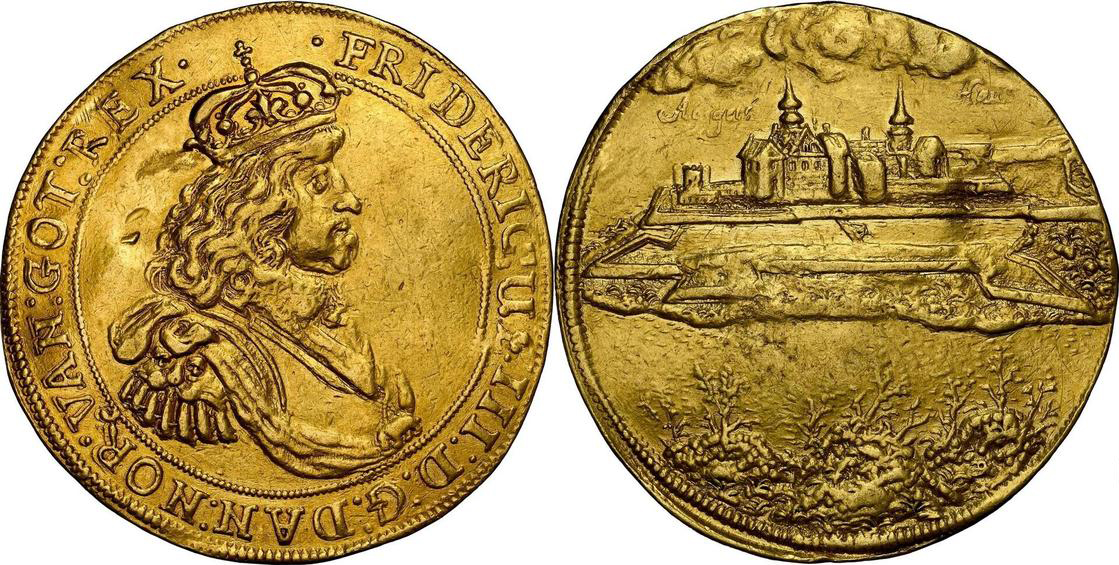
10 Ducat (Portugaloser),
ND (1661). Christiania Mint. Frederik III.
NGC AU Details.
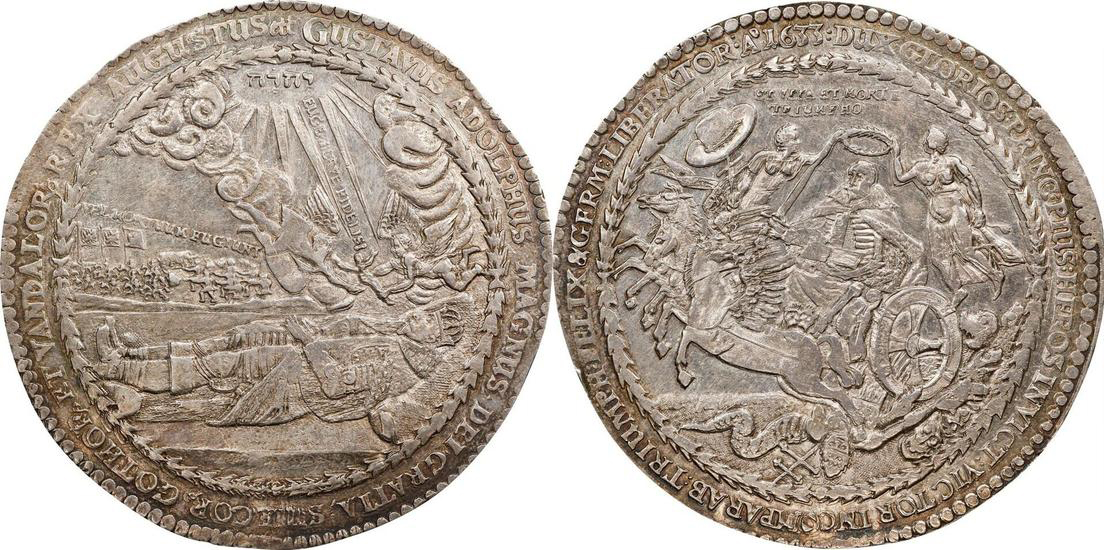
Wolgast. 4 Talers, 1633.
Wolgast Mint. Gustav II Adolf.
NGC AU-58.
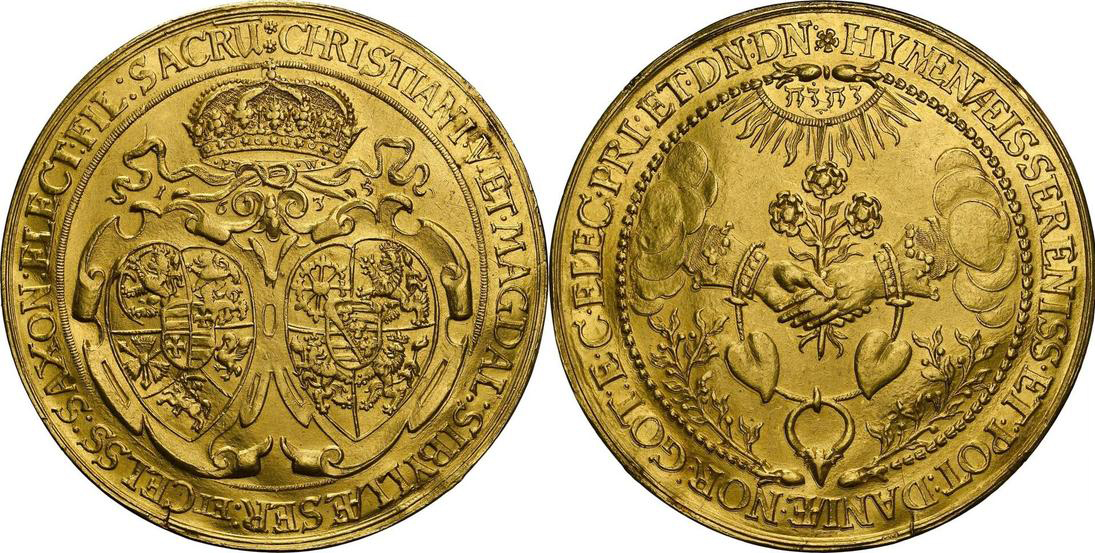
Saxony. Gold Medal /
10 Ducats, 1635. Johann Georg I.
NGC MS-62.
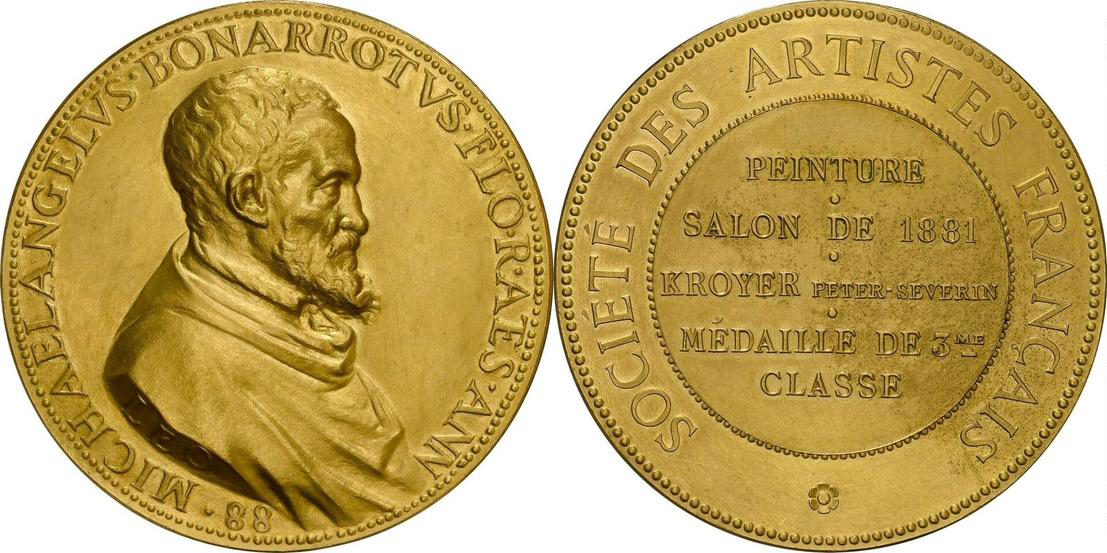
Art Exhibition Gold Medal,
1881. Société des Artistes Français.
NGC MS-61.
Archive: People and Markets
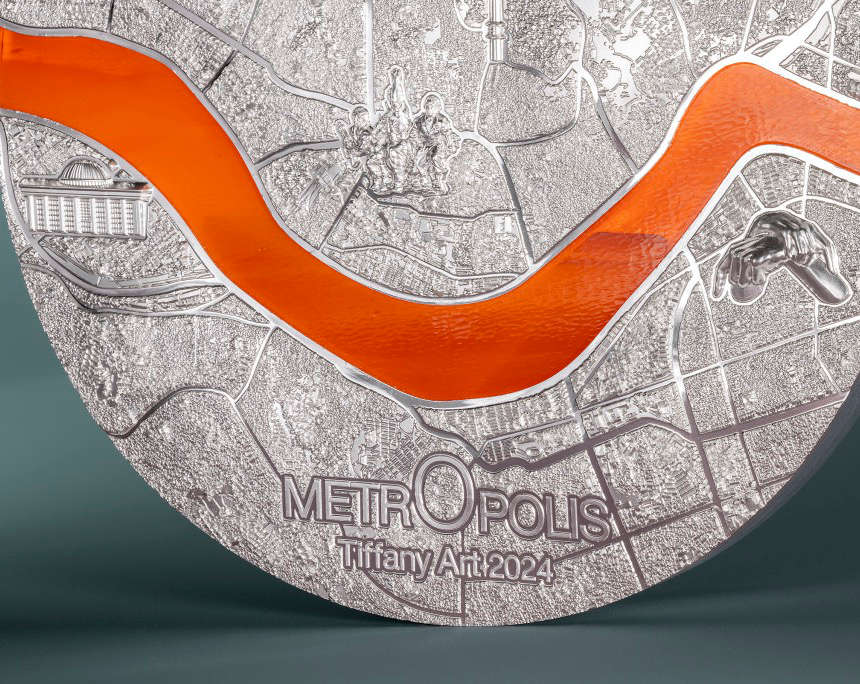
CIT’s Tiffany Art Metropolis – Seoul
CIT dedicates its fourth issue of the Tiffany Art Metropolis series to an Asian city. Following Paris, Rome and London, in 2024 CIT presents the metropolis of Seoul on the Han River.
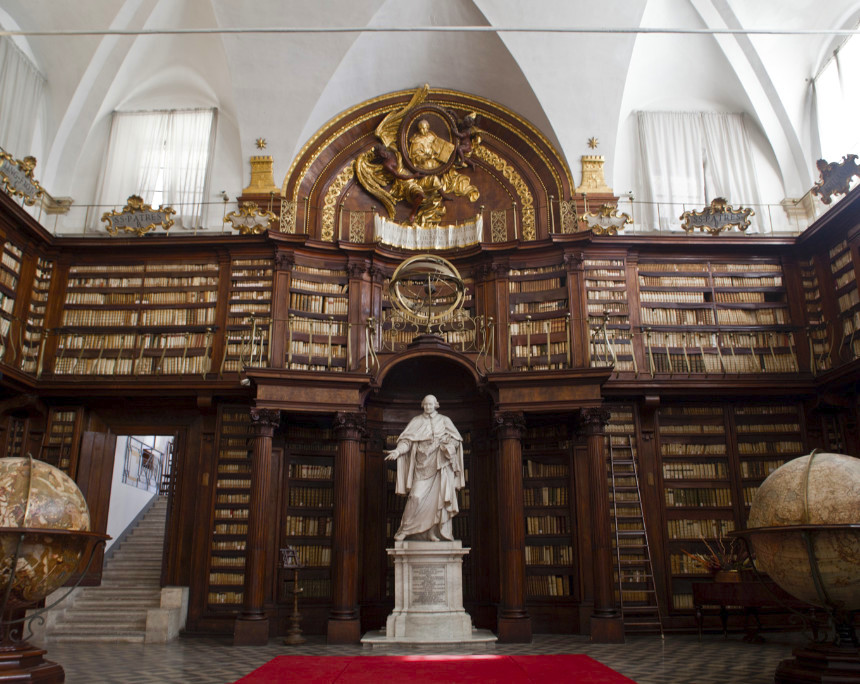
Course: Coins and the Sacred in Roman and Early Modern Times
In November, a numismatics course will take place in Rome, focusing on religion and religious power on coins. German and Dutch students can count on support with their travel costs.

Report of the 30th ICOMON Annual Conference in Stockholm
The International Committee of Money and Banking Museums (ICOMON) held its 30th Annual Conference in Stockholm from 25 to 28 September 2024. The Economy Museum, as host institution, welcomed over 110 participants and 42 speakers from over 30 countries across the globe.
Stack’s Bowers Moves Into New Hong Kong Office
Stack’s Bowers Galleries has relocated their Hong Kong headquarters. The new space is larger with a state-of-the-art auction facility. Opening will take place on October 11.