







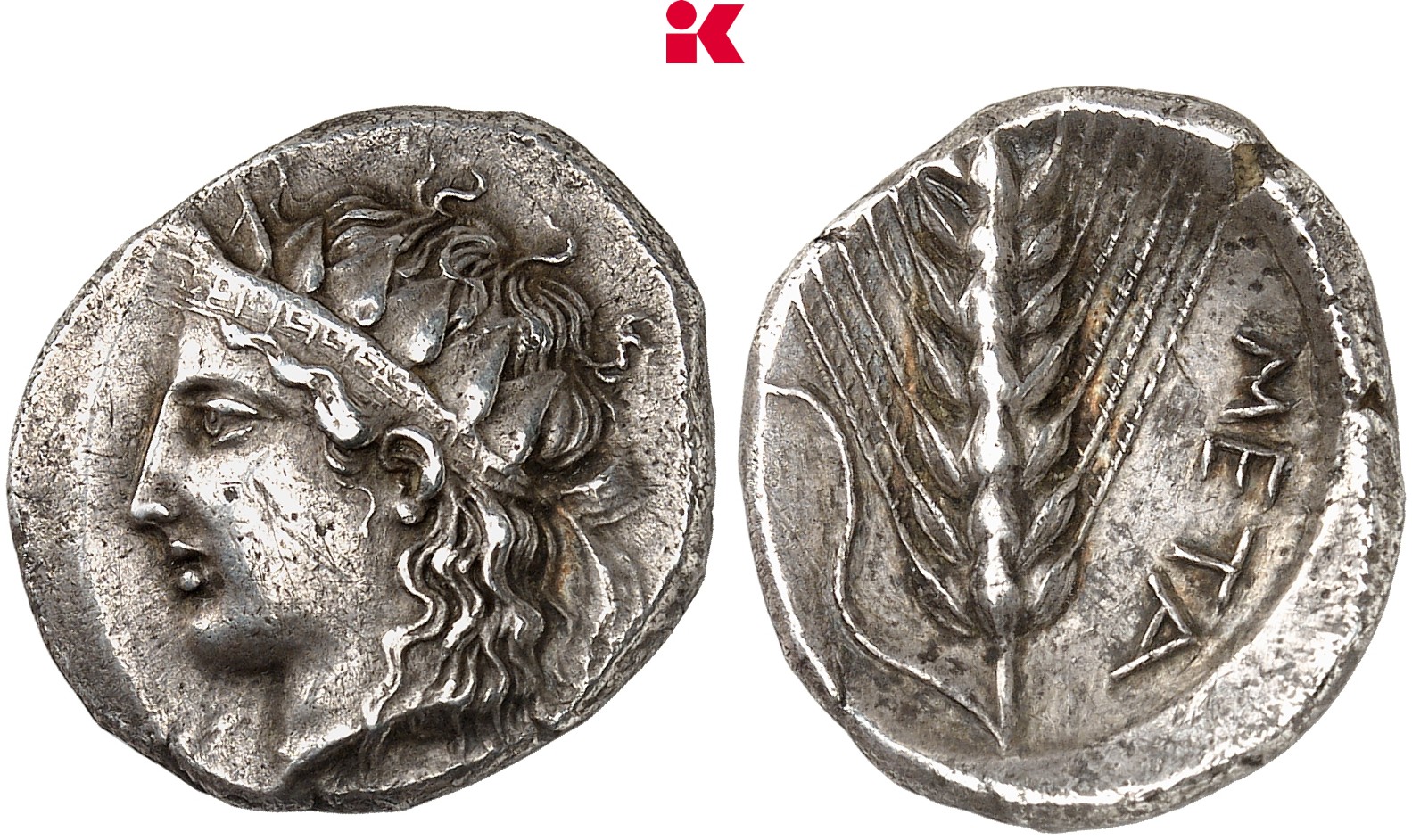
Didrachm, 400/340 BC. Attractive piece.
Very rare, particularly in this condition.
Dionysus head of the finest style.
Ex Hirsch VIII, München 1903, no. 792.
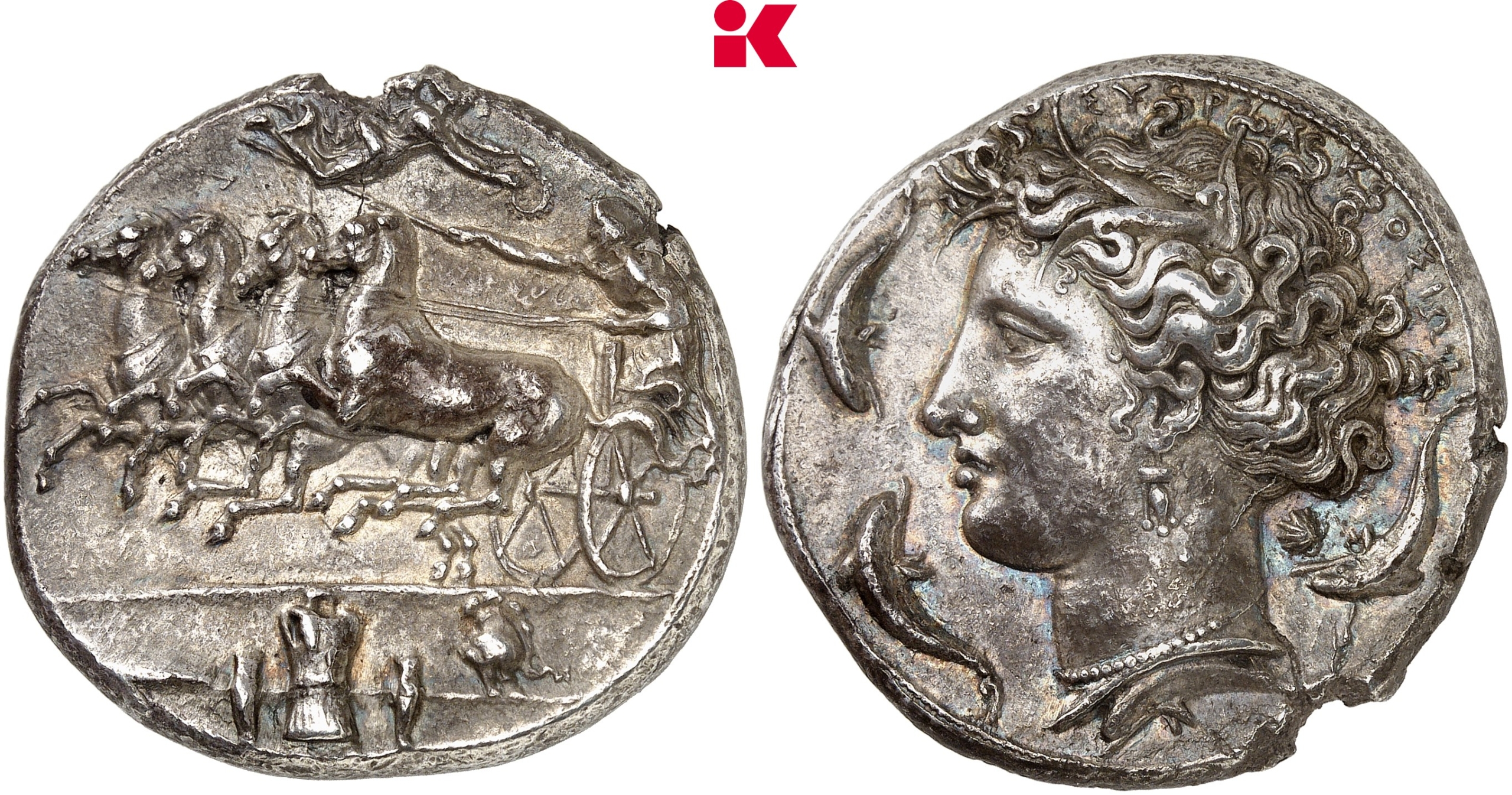
Decadrachm around 400/390 BC, unsigned.
Splendid patina, extremely fine.
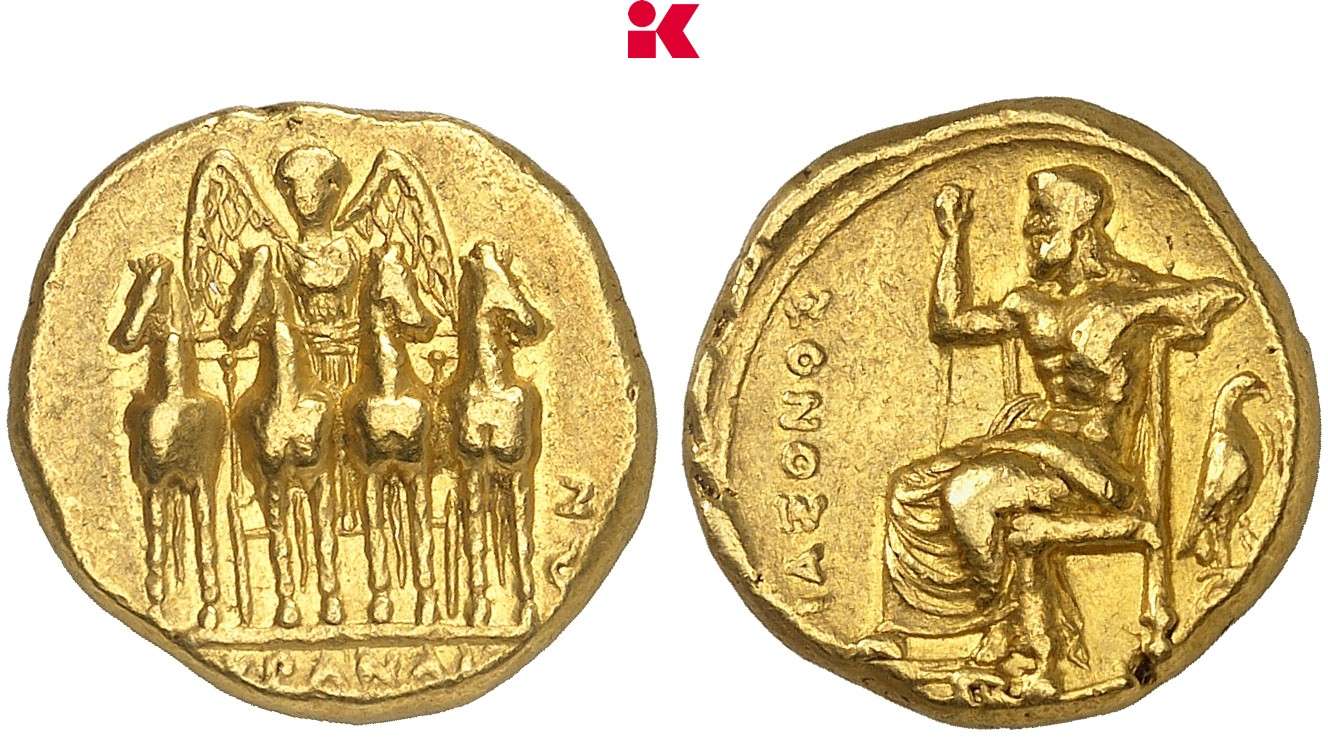
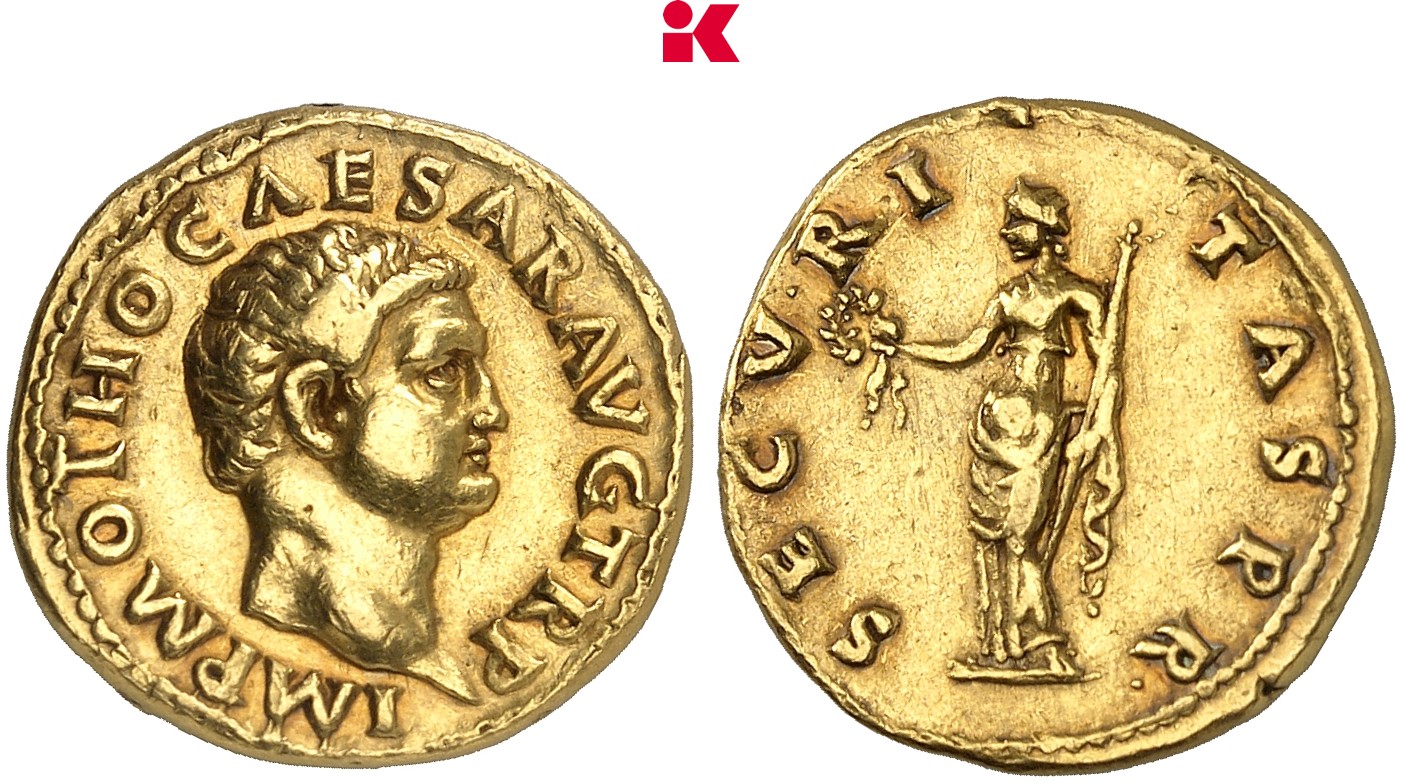
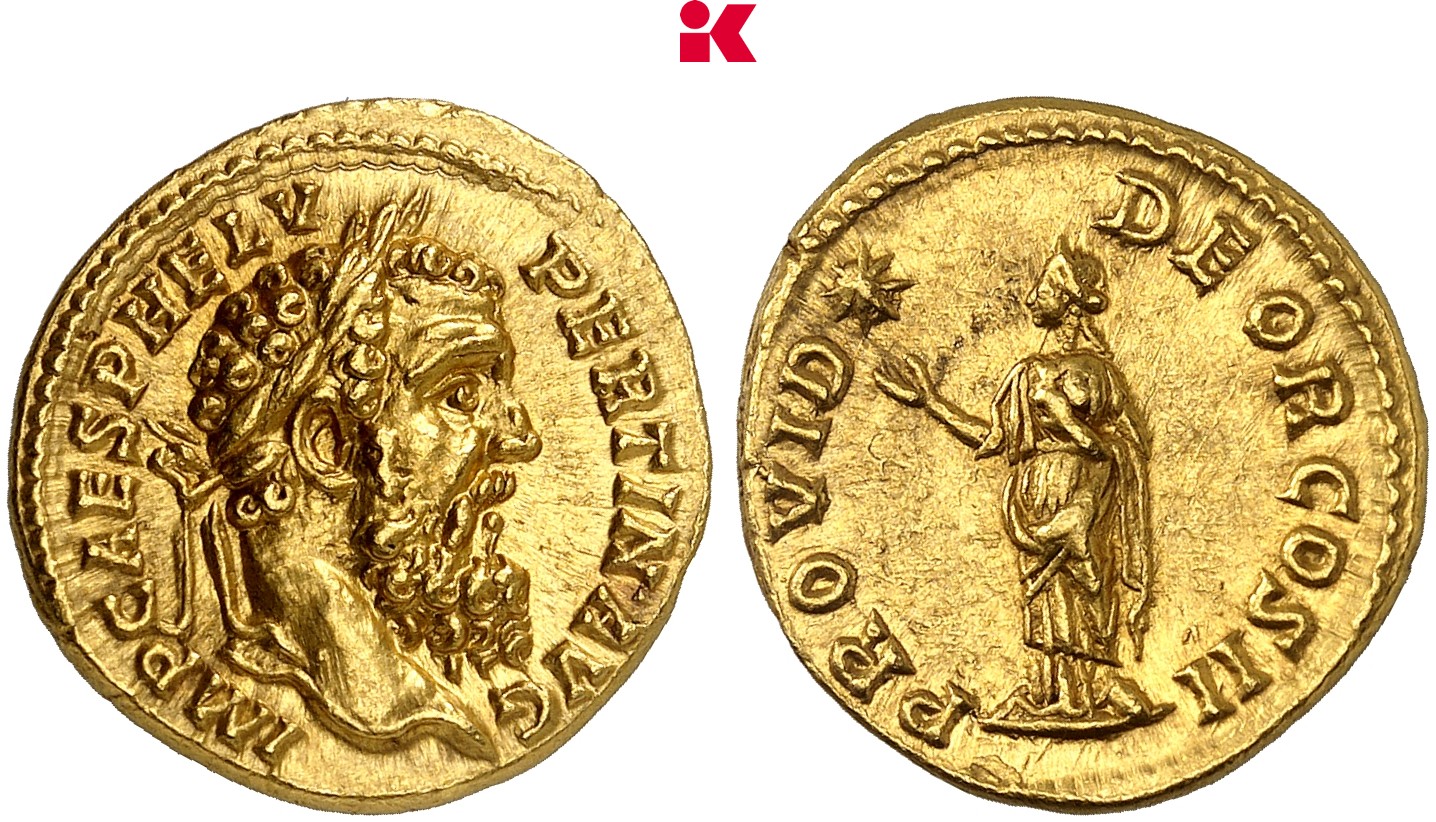
Aureus, Rome.
Very rare.
Attractive piece.
Ex Huntington (Inventar-no. ANS 1001.1.30032).
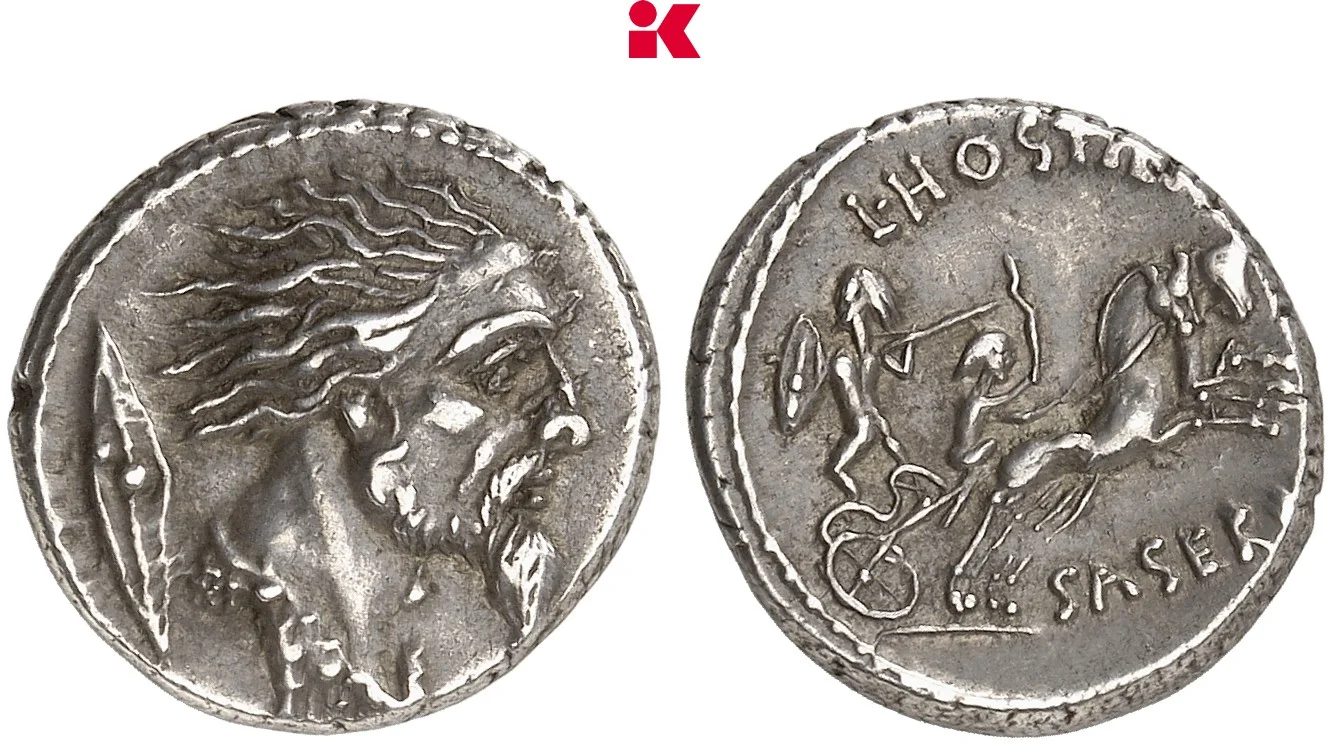
Denarius, 48 B.C., Rome.
L. Hostilius Saserna.
Very rare.
Attractive toning, extremely fine.
Ex Sternberg VI, Zürich 1976, no. 758.
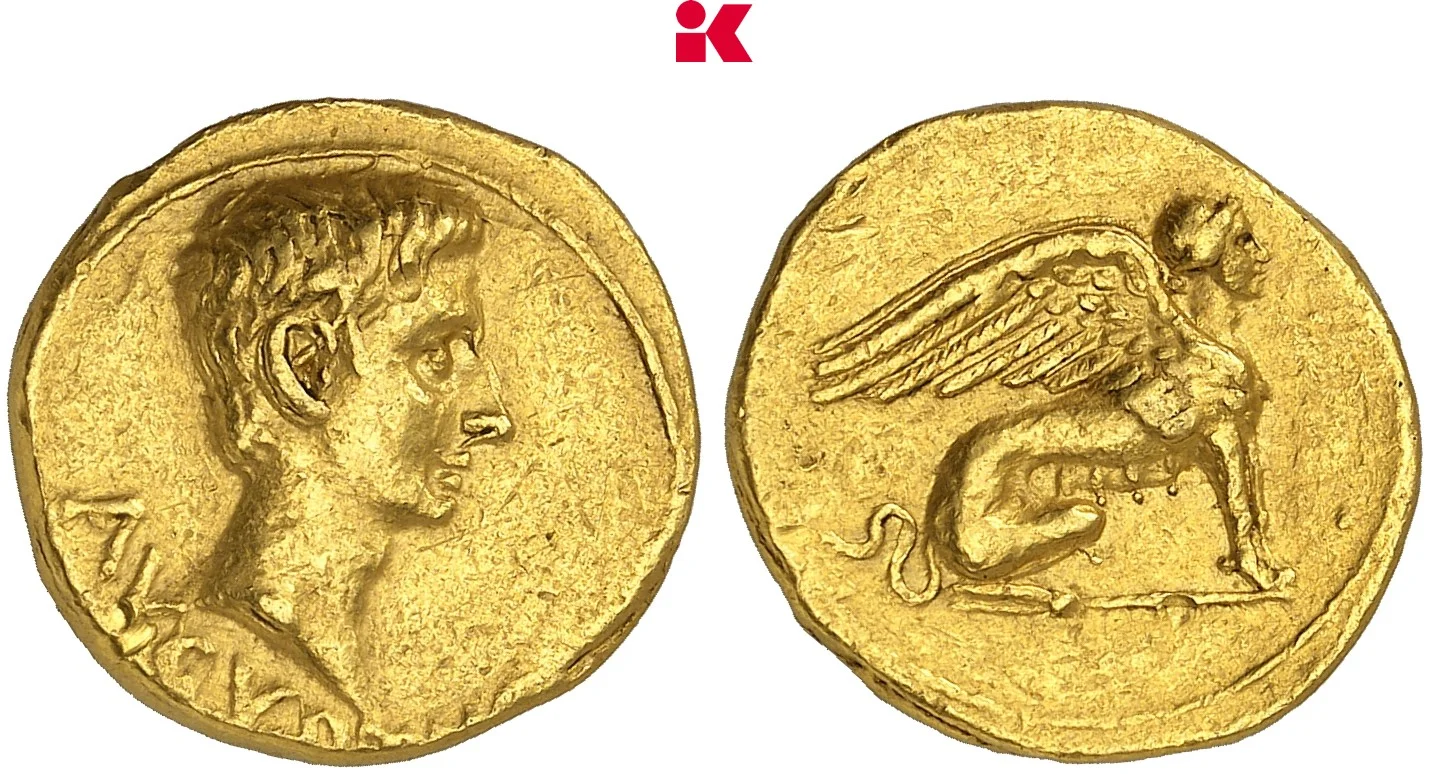
Augustus, 30 BCE–14 CE.
Aureus, 19/18 BCE, Ephesus (Ionia).
Very rare.
Min. Very fine.
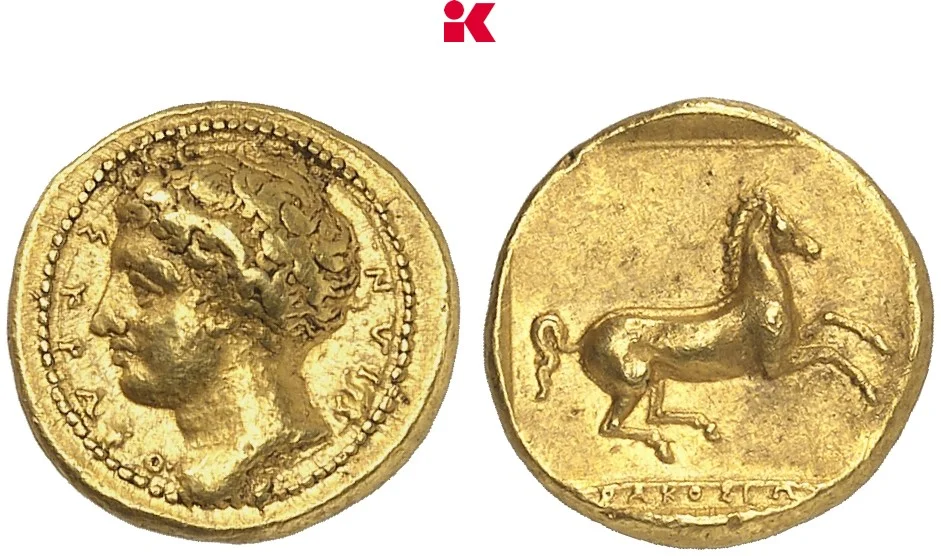
50 litren, 405/400 B.C.
Struck with a slightly rusty obverse die,
very fine-extremely fine/extremely fine.
Course: Coins and the Sacred in Roman and Early Modern Times
In November, a numismatics course will take place in Rome, focusing on religion and religious power on coins. German and Dutch students can count on support with their travel costs.
Content
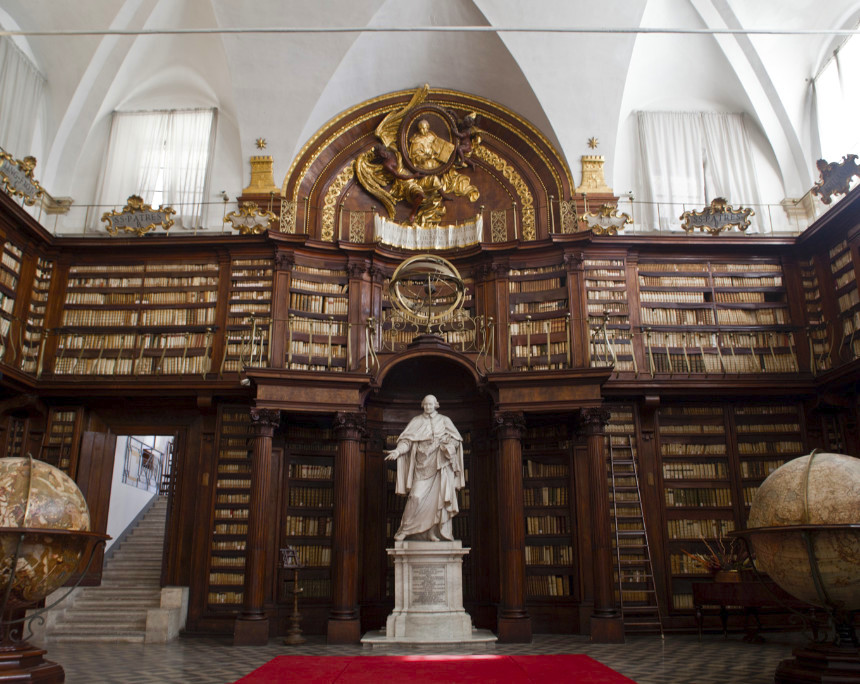
The students will create an exhibition of numismatic objects from the archaeological collection of the Biblioteca Casanatense. Photo: Gabriele anesin / CC BY-SA 3.0
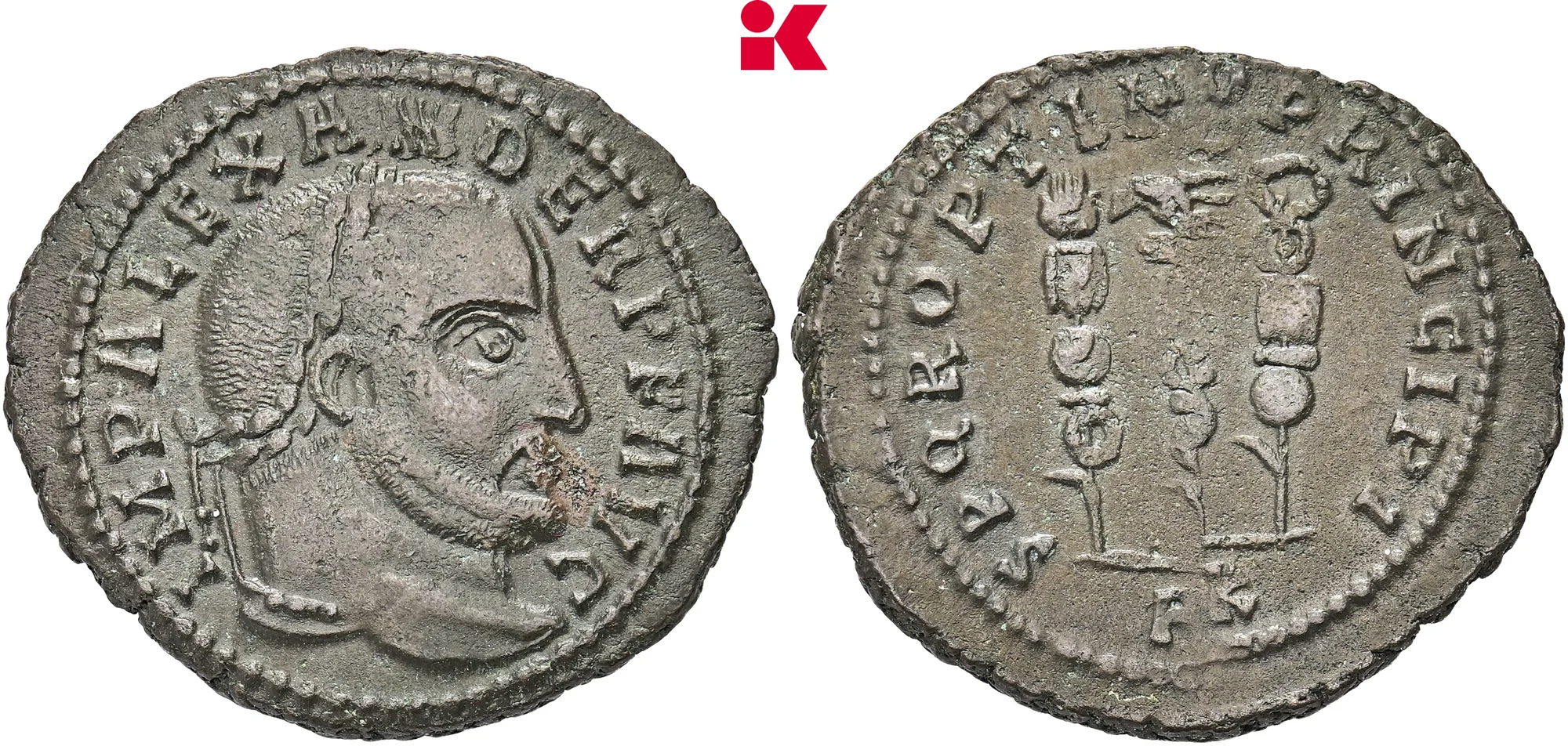
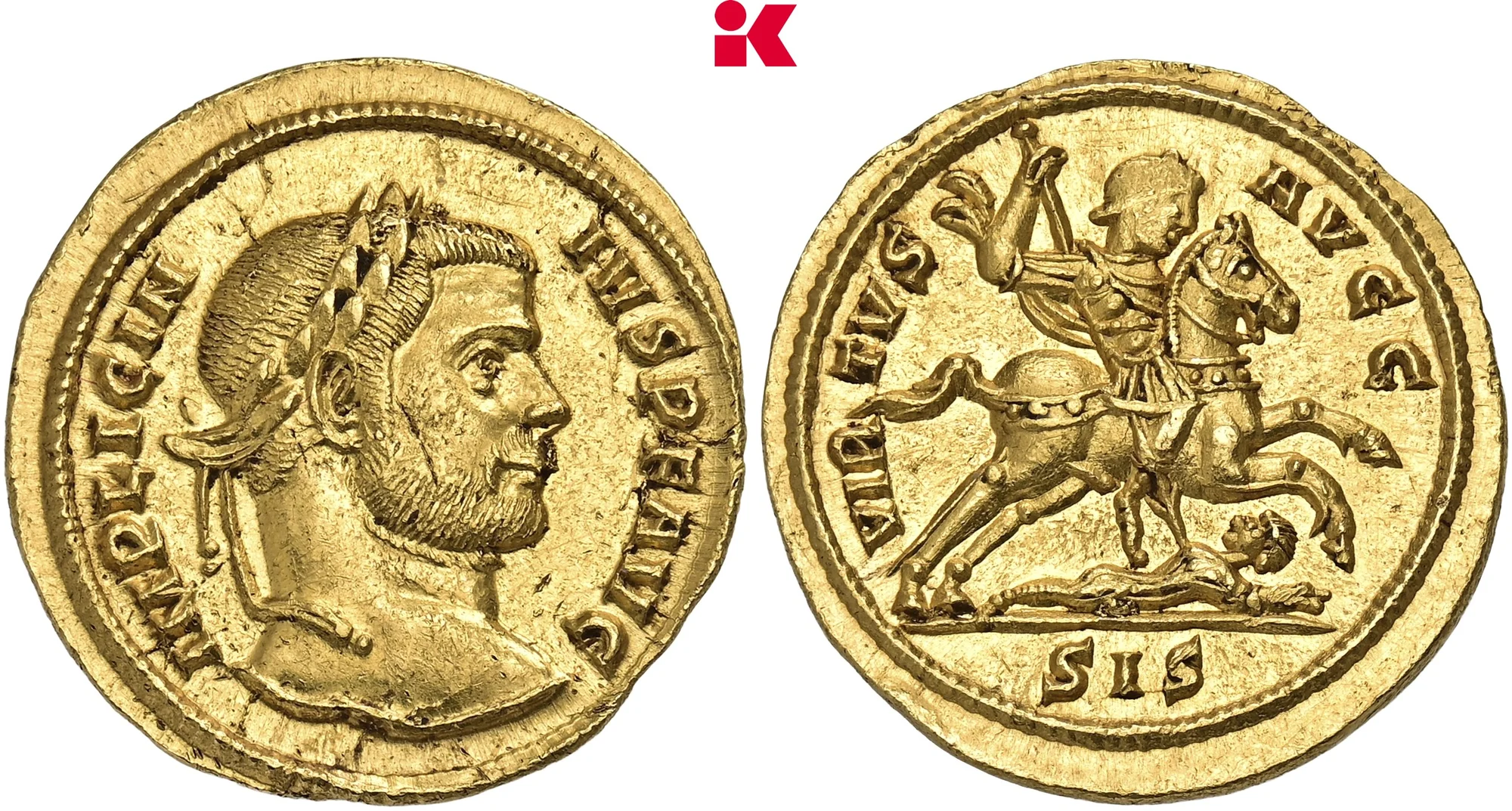
“In God we trust”. Nowadays, American coins and banknotes still bear references to religion. However, such a visible connection between money and religion is becoming increasingly rare. In Europe, Vatican City is an interesting exception to the rule. Its Euro coins bear images of the pope, and thus perpetuate a century-old tradition: in ancient and early modern Rome coins and medals often display religious themes. In this course we will pay attention on the relationship between coinage and religion. What role does religious authority play in establishing the value of a coin? Why do we find so many deities and saints on coins and medals? How is coinage used in sacred contexts and why are cult buildings represented on coins?
This ten-day course focuses on coins and medals as historical sources for broader questions about religious power and practices in the Roman and early modern period. Students will be challenged to decipher and interpret the information conveyed by these exceptional primary sources, on which text and images are combined. In addition to gaining theoretical and methodological skills, the students will create an exhibition of numismatic objects from the archaeological collection of the Biblioteca Casanatense.
Lecturers
Drs. Paul Beliën (Amsterdam), Dr. Liesbeth Claes (Leiden), Dr. Martin Hirsch (München), Dr. Erika Manders (Nijmegen) and Dr. Marleen Termeer (Nijmegen) and guest lecturers.
Target Group
(Prospective) MA-, RMA students and PhD candidates in (Ancient) History, Art History, Classics and Archaeology and related disciplines from the KNIR- NWIB partner universities (UvA, VU, UL, UU, RU and RUG) as well as from German universities. The course is part of the OIKOS education program for PhD students. No specific knowledge of Greek or Latin language is required.
Course Activities
• seminars (introduction to numismatic studies, coin messaging and targeting);
• individual study and research (under supervision) in the library of the KNIR and DAI;
• ‘hands on’ workshops on numismatic methods and coin identification exercises.
• guest lectures;
• museum visits;
• and exhibiting coins and medals
Credits
The study load is the equivalent of 5 ECTS (140 hours) and comprises ten days of study in Rome. Each student should arrange with their home university whether the course can be part of the existing curriculum. Upon successful completion of the course, the KNIR will provide a certificate mentioning the study load and evaluation tools.
The study load is based on:
• Before arriving in Rome: literature list and independent assignment on the identification of coins: 1 ECTS (28 hours)
• Active participation in seminars and workshops at KNIR and DAI and excursions and museum visits in Rome: 2 ECTS (56 hours)
• Contribution to the creation of a coin exhibition (participation & presentation on site) and a written contribution to the exhibition guide (deadline to be confirmed): 2 ECTS (56 hours)
Application and Admission
The master class is a selective course with a maximum of 17 participants. The selection of (R)MA students is based on grades, the positioning of the course in the student’s curriculum, and a letter of motivation. The selection of PhD students is based on the letter of motivation and curriculum vitae.
Students can apply via the application form linked below. Include in your application:
• a letter of motivation
• a cv
• for (prospective) (R)MA students: a recent list of grades officially provided by your university
Deadline Application
30 June 2024. Please note that the decision of the selection committee is final and no correspondence will be entered into.
Support
Participating students will receive free tuition, accommodation in Rome and excursions (including most entry fees for museums and archaeological sites). All students from German and Dutch NWIB-partner universities receive support from the KNIR or DAI for their travel costs.
This course has been organized in collaboration with the Koninklijk Nederlands Instituut Rome (KNIR), the German Archaeological Institute (DAI) at Rome, the Dutch National Research School for Classical Studies (OIKOS) and the Biblioteca Casanatense.
