







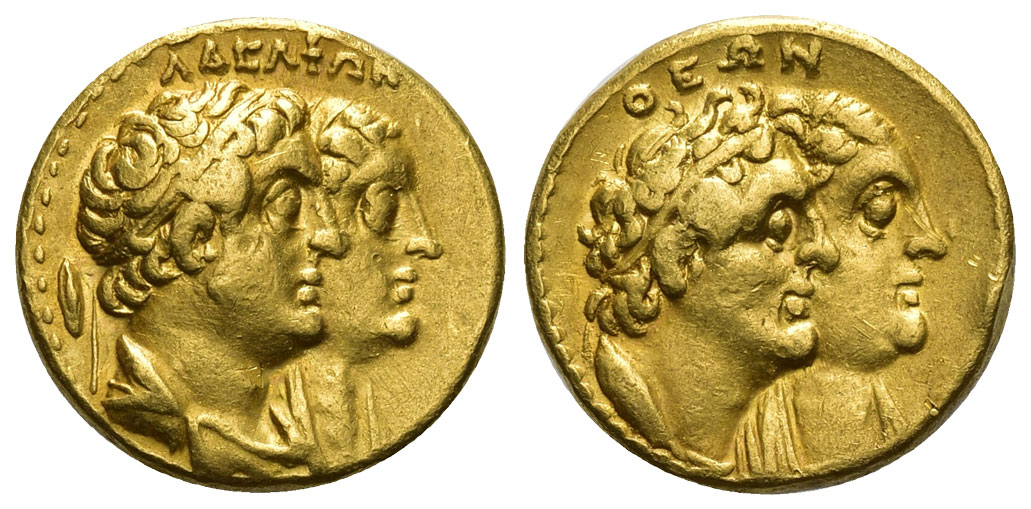
AV Tetradrachm (282–272 BC),
King Ptolemy II and Queen Arsinoe II.
From the major collection of Alexandria mint.
Condition: vf+
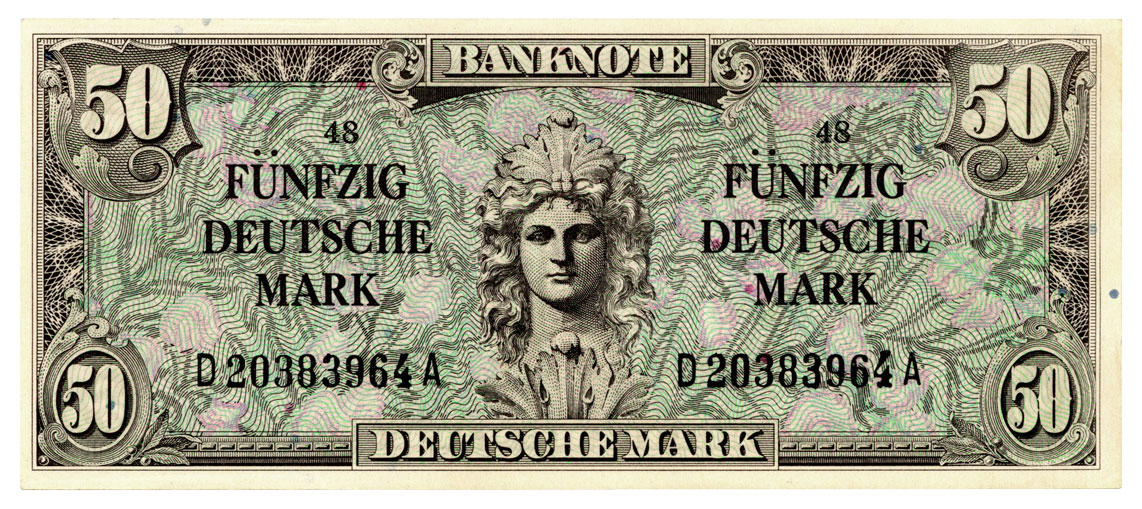
50 Deutsche Mark o.D. ( 1948-1949) "Liberty".
Condition: extremly rare, I
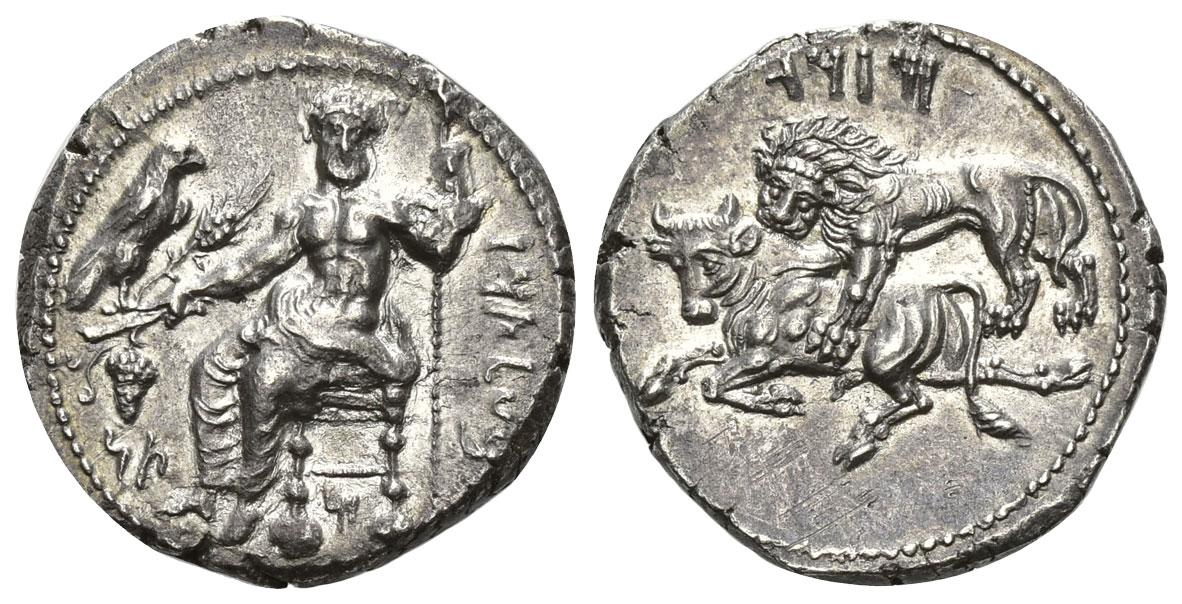
AR Stater (361-334 BC).
Obv. Baal of Tarsos.
Conditon: ef
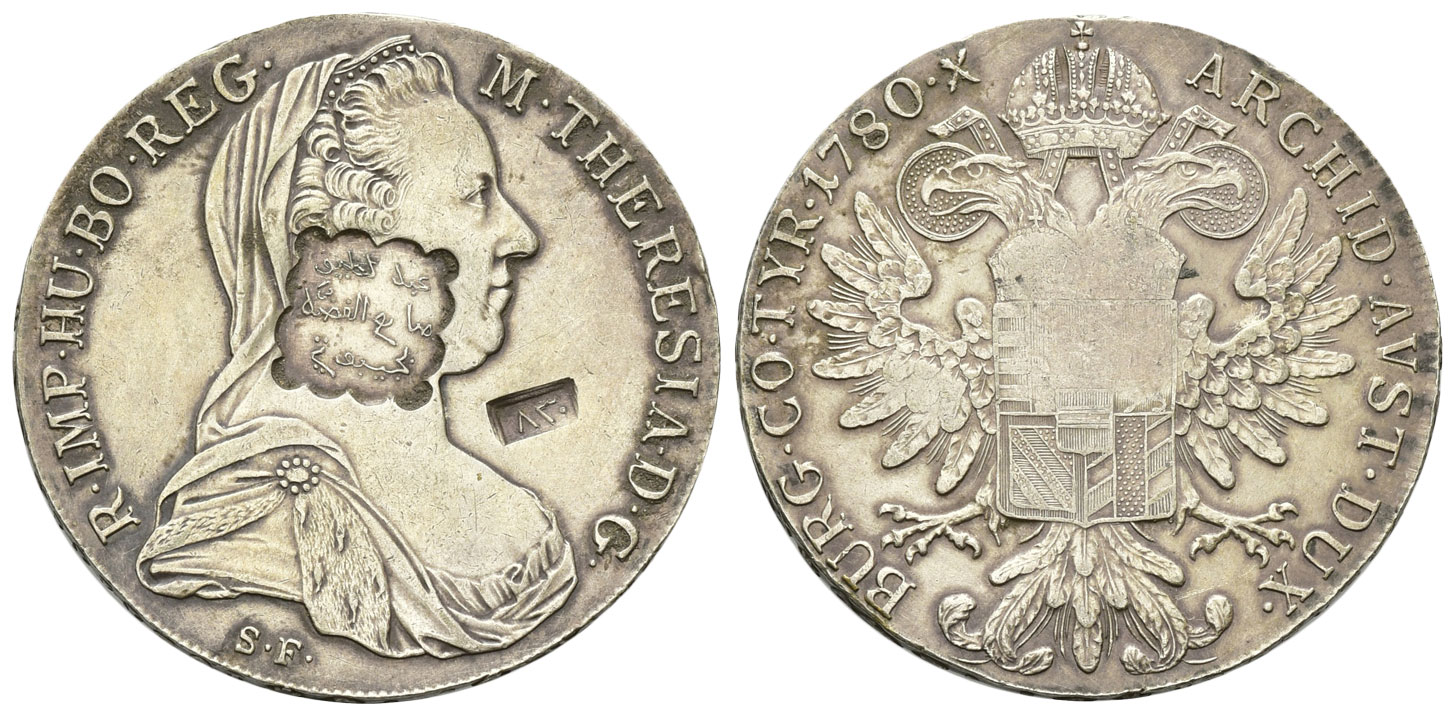
Taler 1780 SF
with counter stamp Djibouti (1870-1900).
Condition: vf
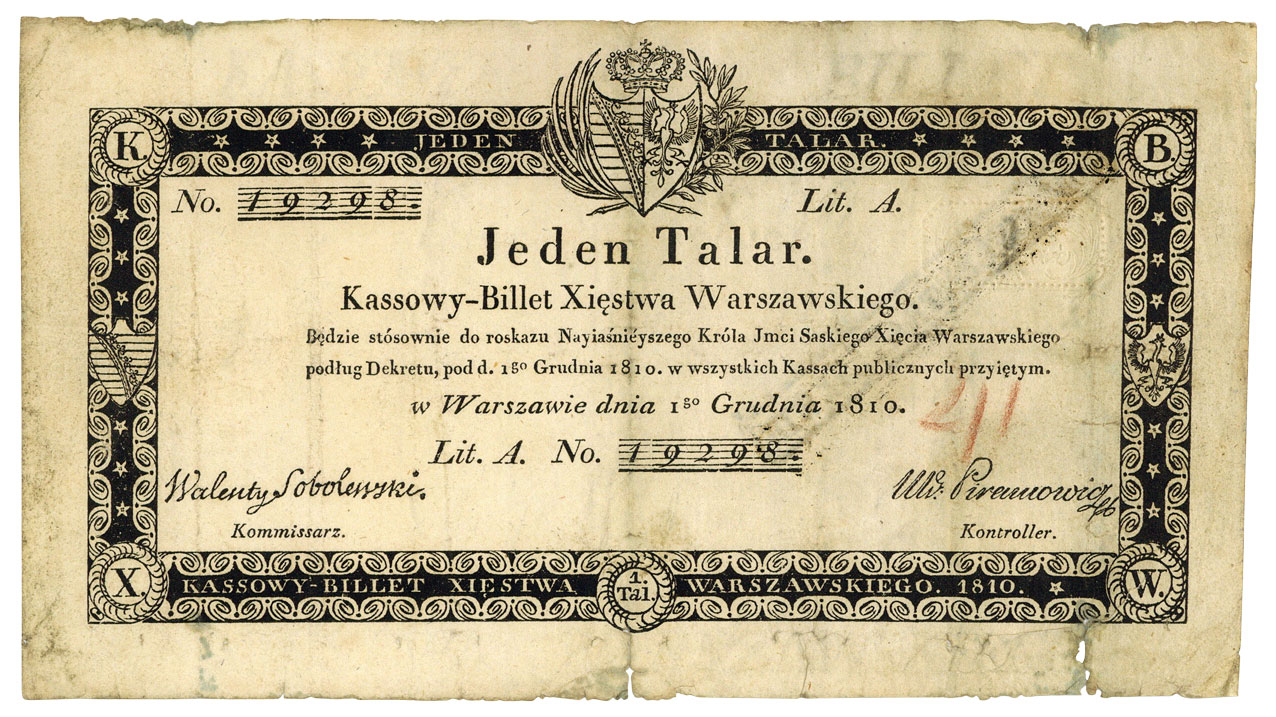
1 Talar 1. December 1810.
Condition: III-IV
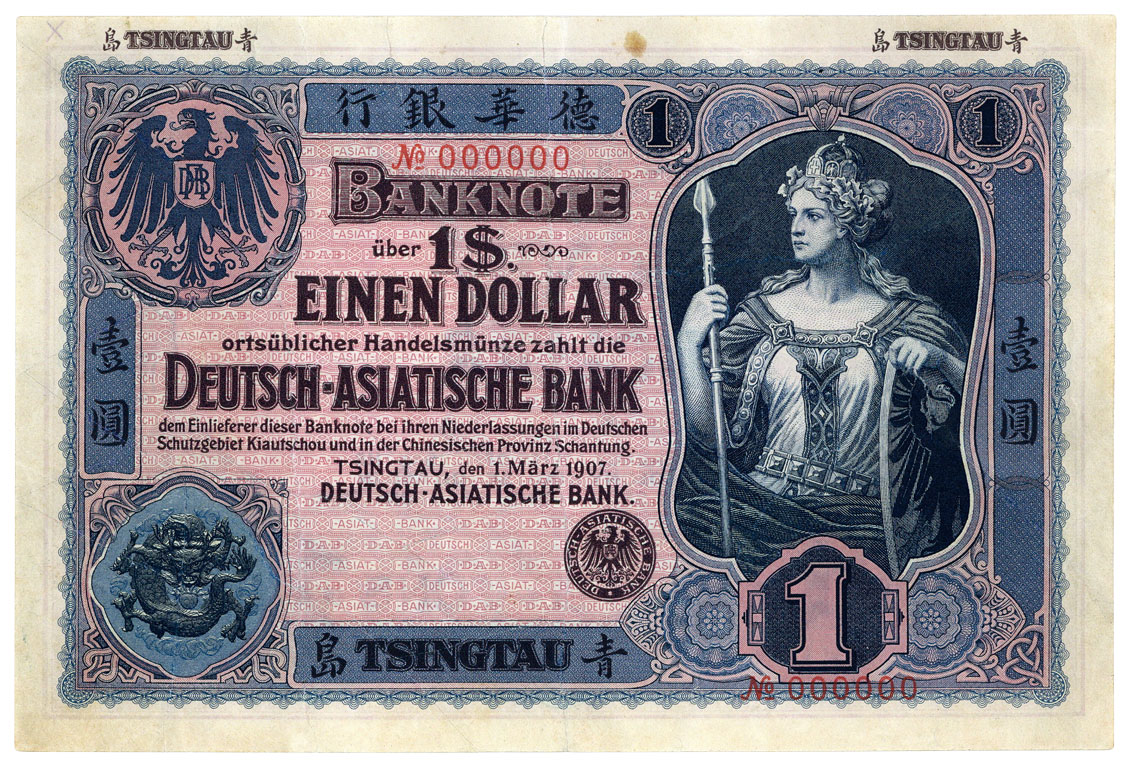
1 Dollar 1.3.1907, Tsingtao.
Condition: very rare, restored
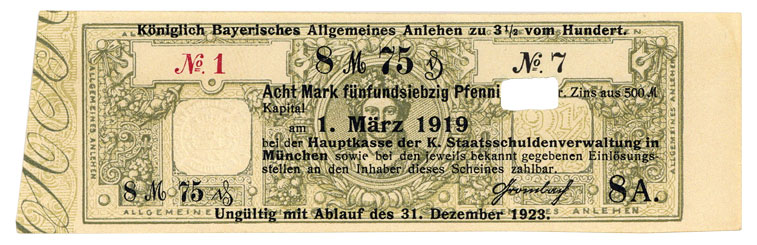
Royal Bavarian General Loan.
8.75 Marks, March 1, 1919.
Condition: rare, I
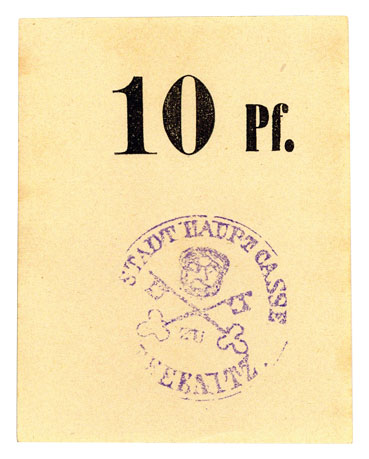
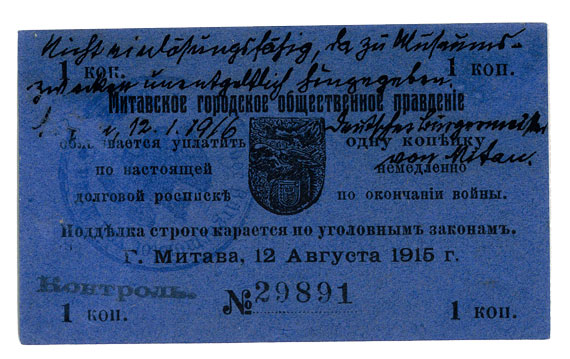
Archive: People and Markets
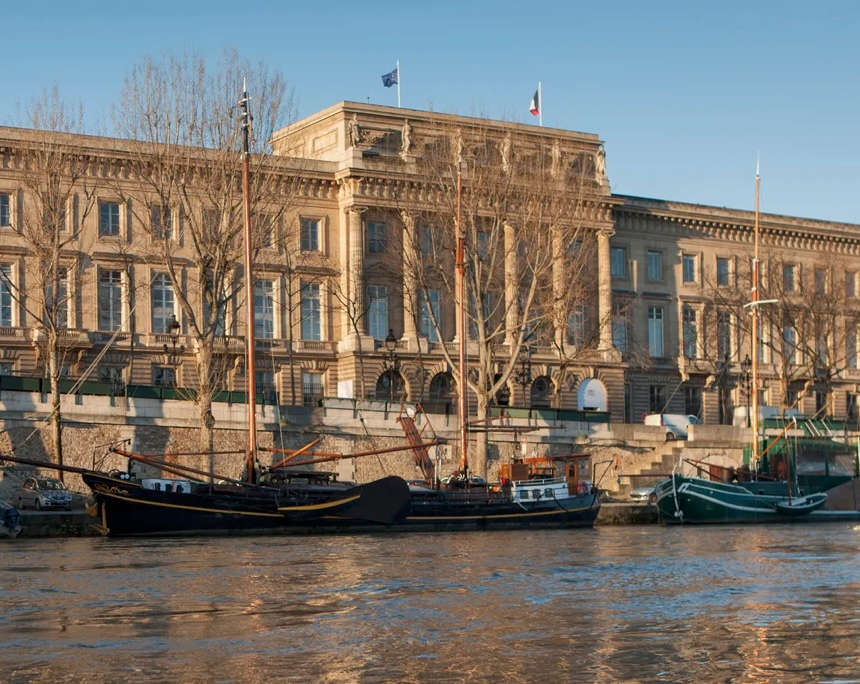
Employees of Monnaie de Paris Launch Petition to Protect Their Site
“Hands off Monnaie de Paris” – with this clear message, Rodolphe Krempp, Deputy Sales Director at Monnaie de Paris, reached out to his contacts on the business network LinkedIn over the weekend.
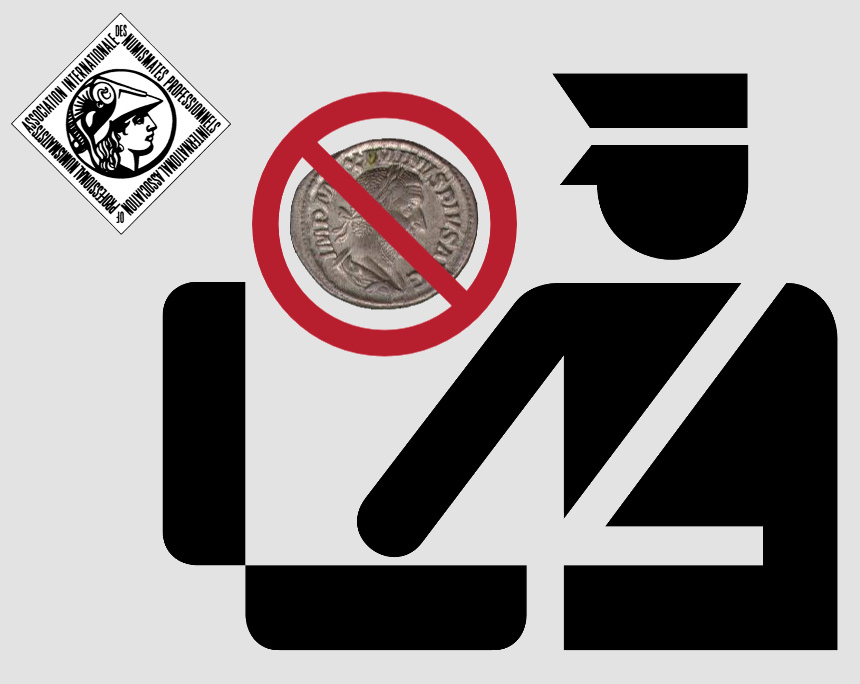
IAPN Asks Collectors to Help Protect Roman Coin Collecting
Will Roman coins in general be considered the cultural property of Italy by US Customs unless you can provide extensive proof of ownership? Such concerns are raised by the proposed extension of a Memorandum of Understanding between the US and Italy. The IAPN is calling on collectors to take action.
Archive: Coins, Medals and more
 https://new.coinsweekly.com/wp-content/uploads/2024/10/2024KW41HA2_00.jpg
684
860
Bruno
https://new.coinsweekly.com/wp-content/uploads/2023/01/logo-coinsweekly_590x204.png
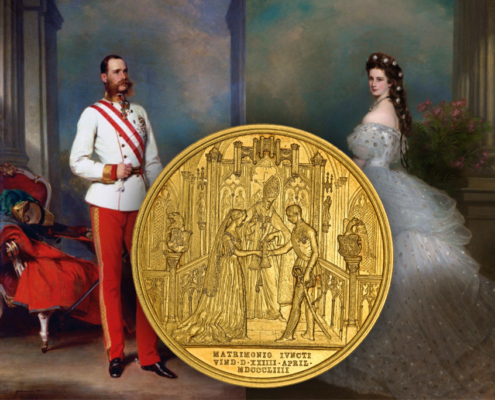
Bruno2024-10-10 12:00:002024-10-10 13:51:28Sisi and Franz: Commemorating the Dream Wedding that Was Actually a Nightmare
https://new.coinsweekly.com/wp-content/uploads/2024/10/2024KW41HA2_00.jpg
684
860
Bruno
https://new.coinsweekly.com/wp-content/uploads/2023/01/logo-coinsweekly_590x204.png
Bruno2024-10-10 12:00:002024-10-10 13:51:28Sisi and Franz: Commemorating the Dream Wedding that Was Actually a Nightmare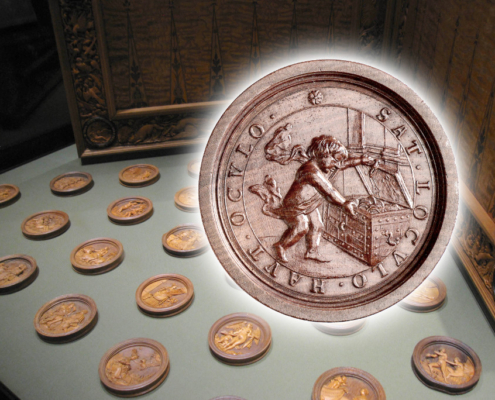 https://new.coinsweekly.com/wp-content/uploads/2025/05/2025KW20HA01_00.jpg
684
860
Lucie Loechel
https://new.coinsweekly.com/wp-content/uploads/2023/01/logo-coinsweekly_590x204.png
Lucie Loechel2025-05-15 11:34:482025-05-15 11:34:48What Do Gaming Counters Have to Do with Numismatics?
https://new.coinsweekly.com/wp-content/uploads/2025/05/2025KW20HA01_00.jpg
684
860
Lucie Loechel
https://new.coinsweekly.com/wp-content/uploads/2023/01/logo-coinsweekly_590x204.png
Lucie Loechel2025-05-15 11:34:482025-05-15 11:34:48What Do Gaming Counters Have to Do with Numismatics?
Numismatics for the Ears: The Royal Mint Museum Explores Britain’s Seafaring History in New Podcast
The Royal Mint Museum has launched its first-ever podcast series, called “Coins and the Sea.” The podcast is part of a wider project, which includes a temporary exhibition at The Royal Mint Experience.
New Security Standards for the World Money Fair
The personalization of tickets has become standard at many events. Starting in 2025, visitors to the World Money Fair will be required to provide their personal data when purchasing tickets.