







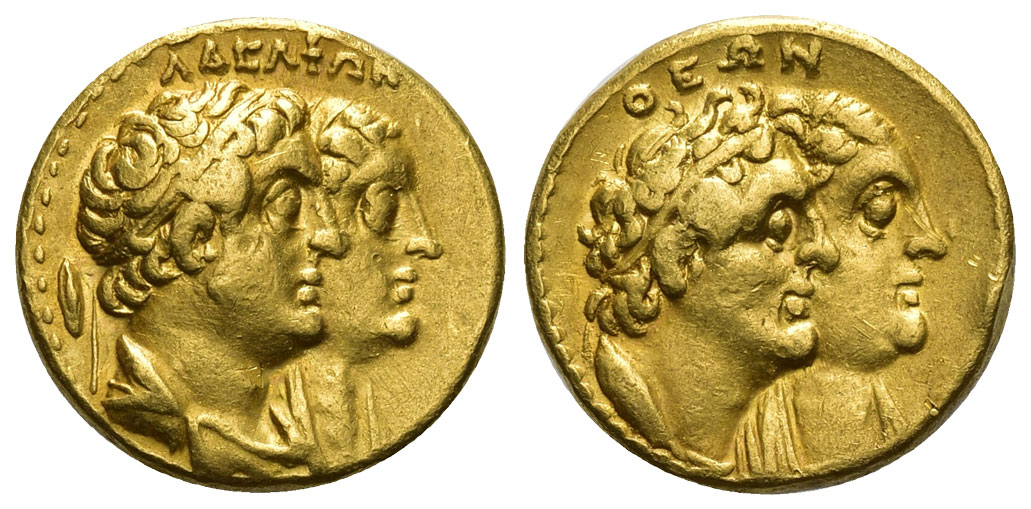
AV Tetradrachm (282–272 BC),
King Ptolemy II and Queen Arsinoe II.
From the major collection of Alexandria mint.
Condition: vf+
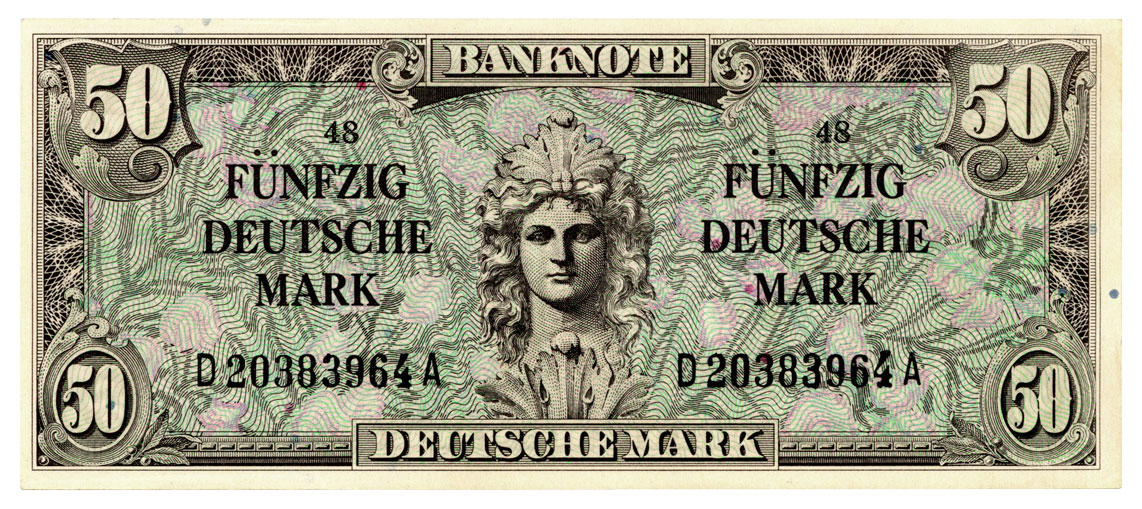
50 Deutsche Mark o.D. ( 1948-1949) "Liberty".
Condition: extremly rare, I
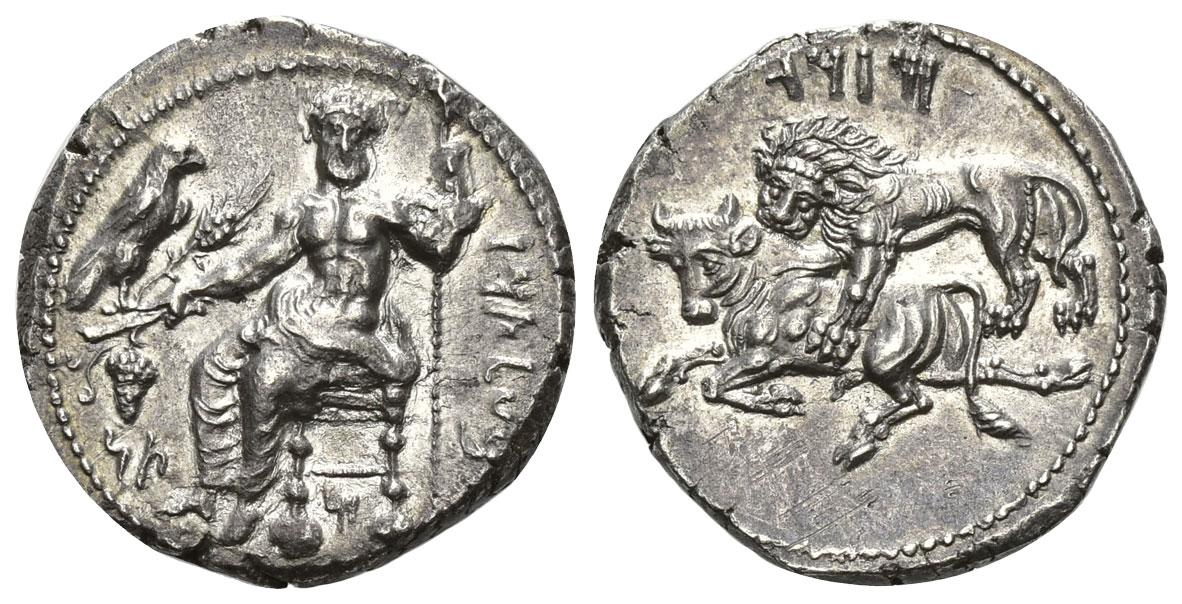
AR Stater (361-334 BC).
Obv. Baal of Tarsos.
Conditon: ef
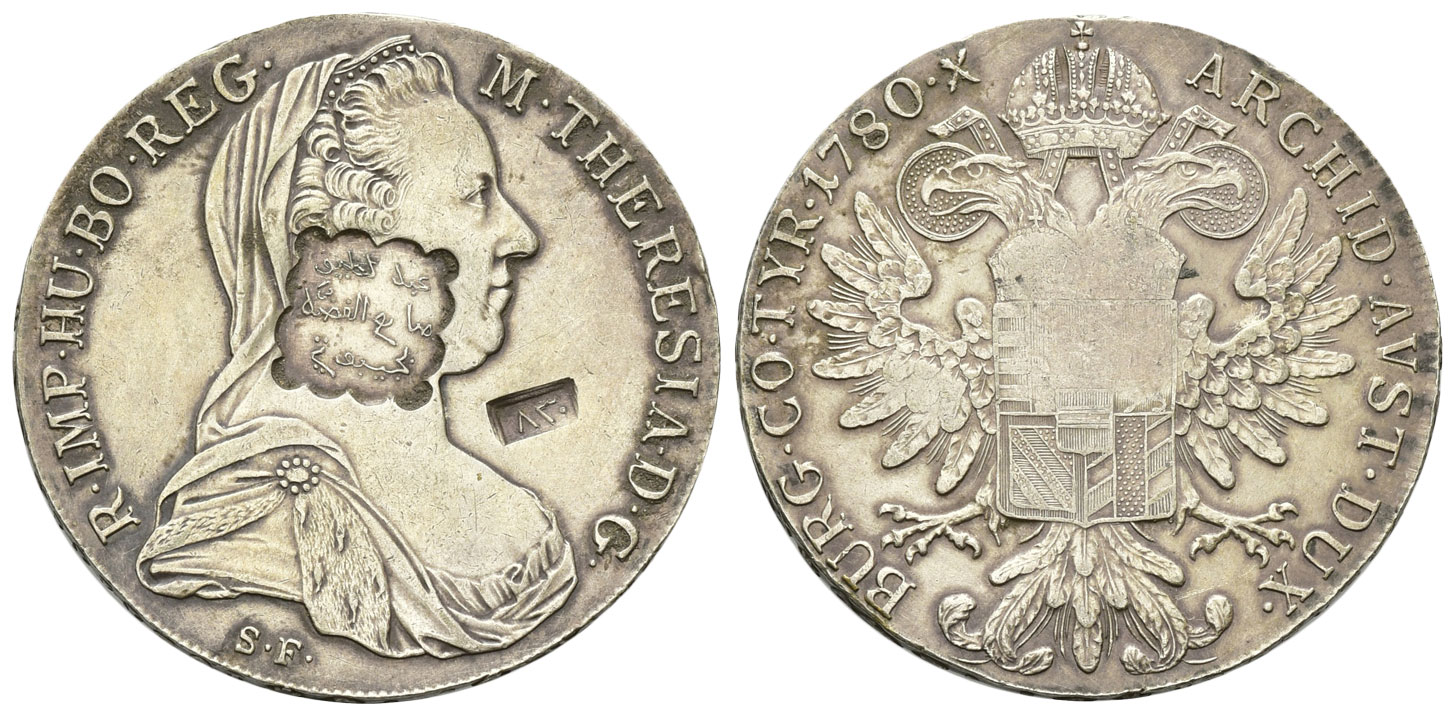
Taler 1780 SF
with counter stamp Djibouti (1870-1900).
Condition: vf
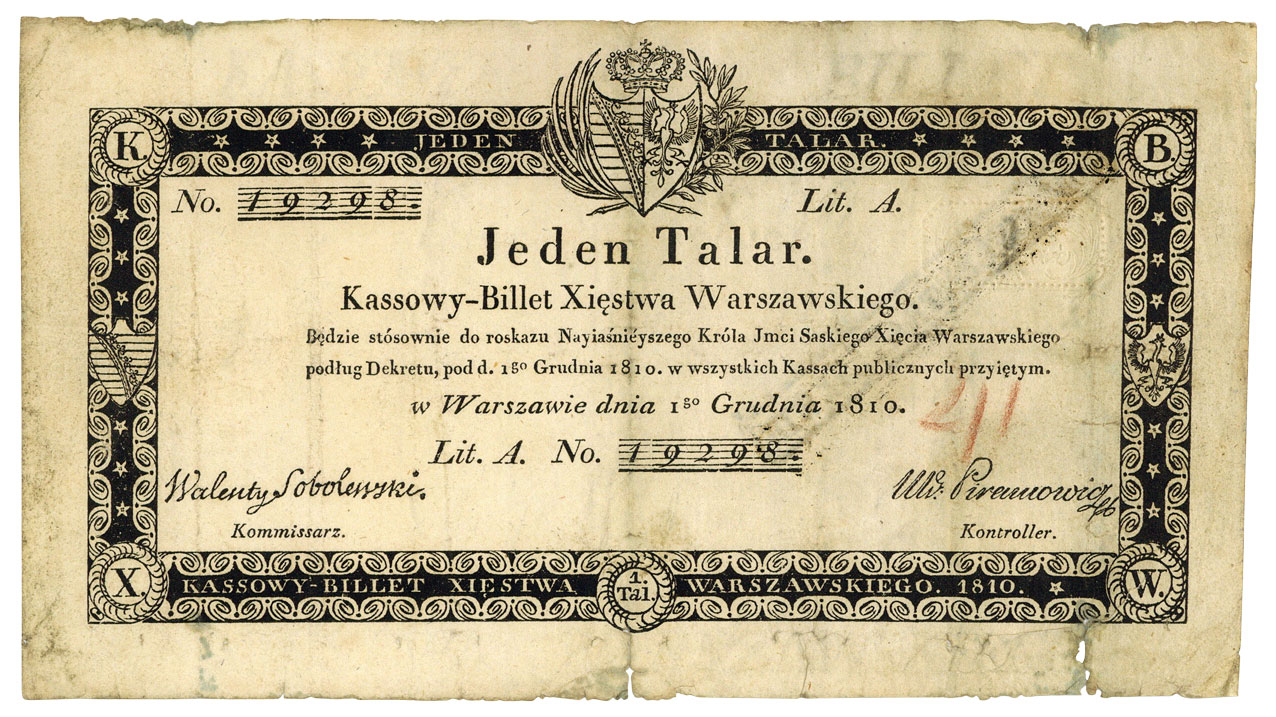
1 Talar 1. December 1810.
Condition: III-IV
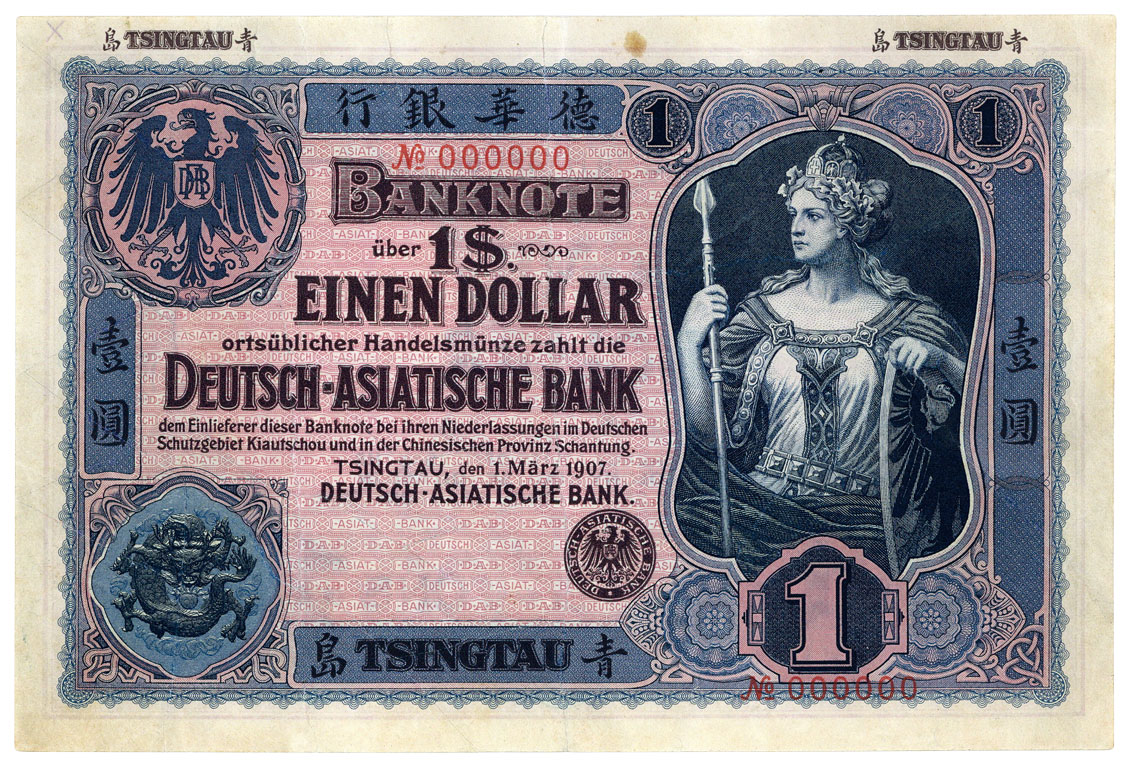
1 Dollar 1.3.1907, Tsingtao.
Condition: very rare, restored
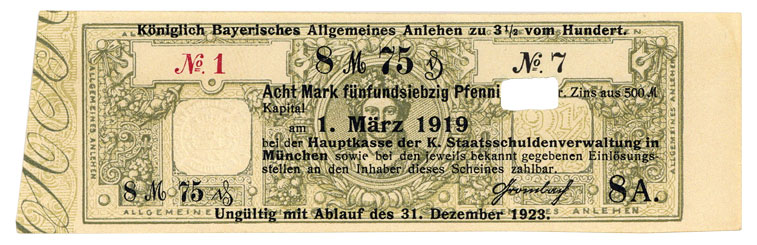
Royal Bavarian General Loan.
8.75 Marks, March 1, 1919.
Condition: rare, I
Archive: People and Markets
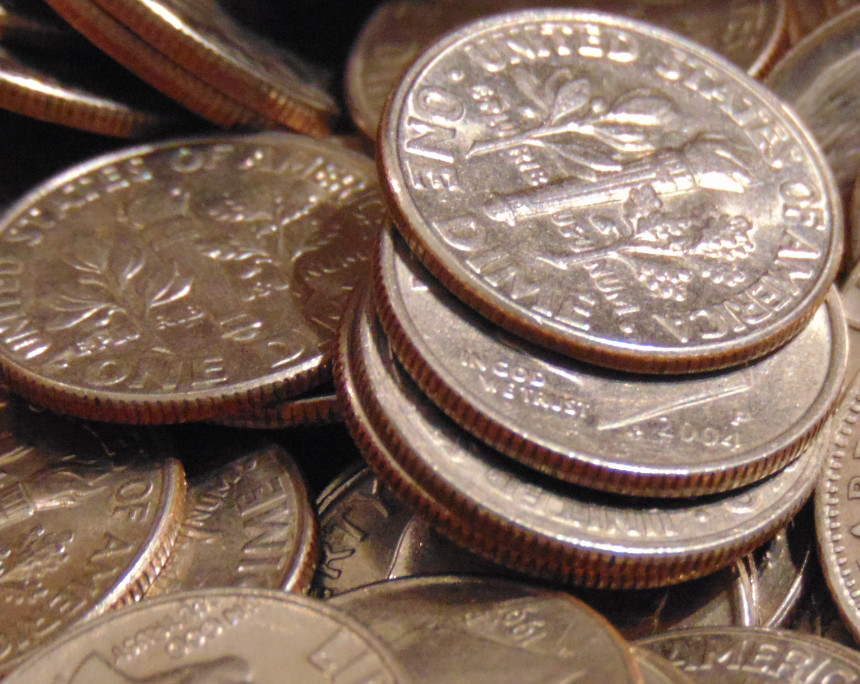
The Great Philly Pocket Change Heist
In the US, four men are standing trial as they allegedly stole coins worth 234,500 dollars from a truck. That was a ton of work. since their loot consisted of more than 2 million dimes, which were difficult to transport and even harder to spend…
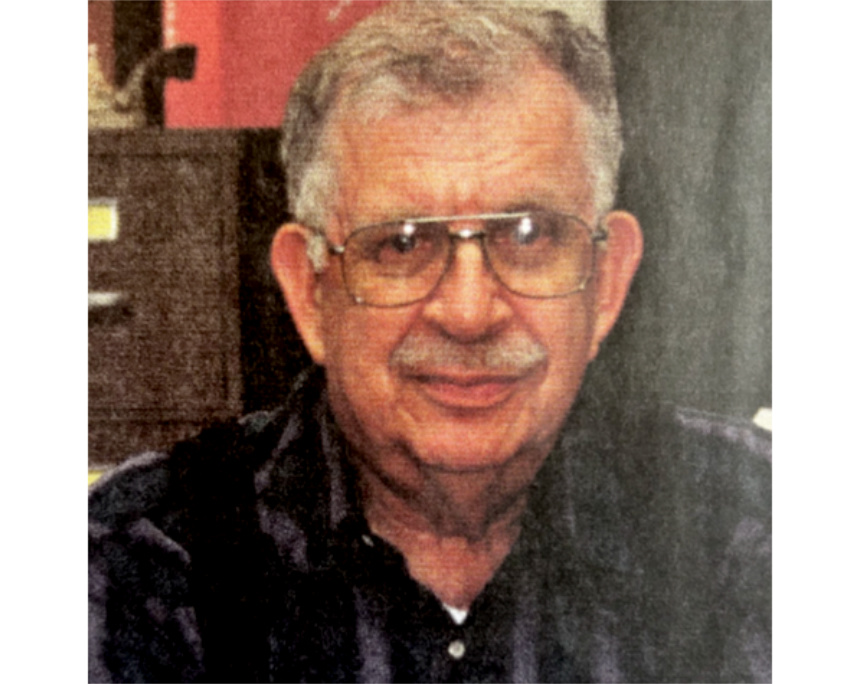
Dr. Albert J. Beck (1935-2024)
Dr. Albert (“Al”) J. Beck passed on Wednesday, June 12, 2024. Our friends from Stephen Album Rare Coins shared this obituary for their colleague with us.
Archive: Coins, Medals and more
 https://new.coinsweekly.com/wp-content/uploads/2024/10/2024KW40HA1_00.jpg
684
860
Bruno
https://new.coinsweekly.com/wp-content/uploads/2023/01/logo-coinsweekly_590x204.png
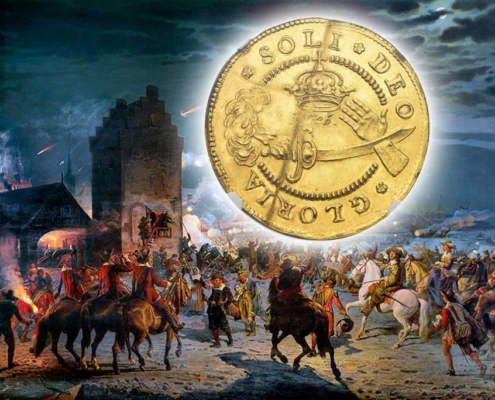
Bruno2024-10-02 13:27:042024-10-02 15:38:36Frederick III of Denmark and Eben Ezer
https://new.coinsweekly.com/wp-content/uploads/2024/10/2024KW40HA1_00.jpg
684
860
Bruno
https://new.coinsweekly.com/wp-content/uploads/2023/01/logo-coinsweekly_590x204.png
Bruno2024-10-02 13:27:042024-10-02 15:38:36Frederick III of Denmark and Eben Ezer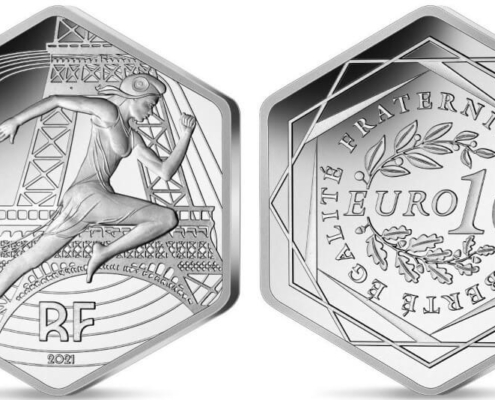 https://new.coinsweekly.com/wp-content/uploads/2023/06/CoCo05_15.jpg
534
1000
Ursula Kampmann
https://new.coinsweekly.com/wp-content/uploads/2023/01/logo-coinsweekly_590x204.png
Ursula Kampmann2022-06-13 09:54:432023-06-27 10:33:10The French Marianne I: Marianne as a Representative of the French People – Part 2
https://new.coinsweekly.com/wp-content/uploads/2023/06/CoCo05_15.jpg
534
1000
Ursula Kampmann
https://new.coinsweekly.com/wp-content/uploads/2023/01/logo-coinsweekly_590x204.png
Ursula Kampmann2022-06-13 09:54:432023-06-27 10:33:10The French Marianne I: Marianne as a Representative of the French People – Part 2
Frédérique Duyrat Joins Ashmolean Museum
Frédérique Duyrat will be the new Director of Collections and Keeper of the Heberden Coin Room in Oxford. Duyrat is currently Director of the Department of Coins, Medals and Antiques at the Bibliothèque Nationale in Paris.
Swissmint Issue Programme 2025
Swissmint unveils its issue programme for 2025, featuring six commemorative coins across various denominations.